

Places to visit in Haifa
A walk through the German colony and the lower terrace of the Bahai gardens
The route starts from the Golden Crown Hotel and the City shopping center, runs up Ben Gurion Street through the houses of Schumacher and Olifant, the historic Colony Hotel, the lower terrace of Bahai Gardens, the Song Street, Dojan Restaurant, the burgher-style restaurant, the German Colony Community House and the current City Museum and ends at the bottom of the German colony at the intersection of Jaffa and Ben Gurion streets.



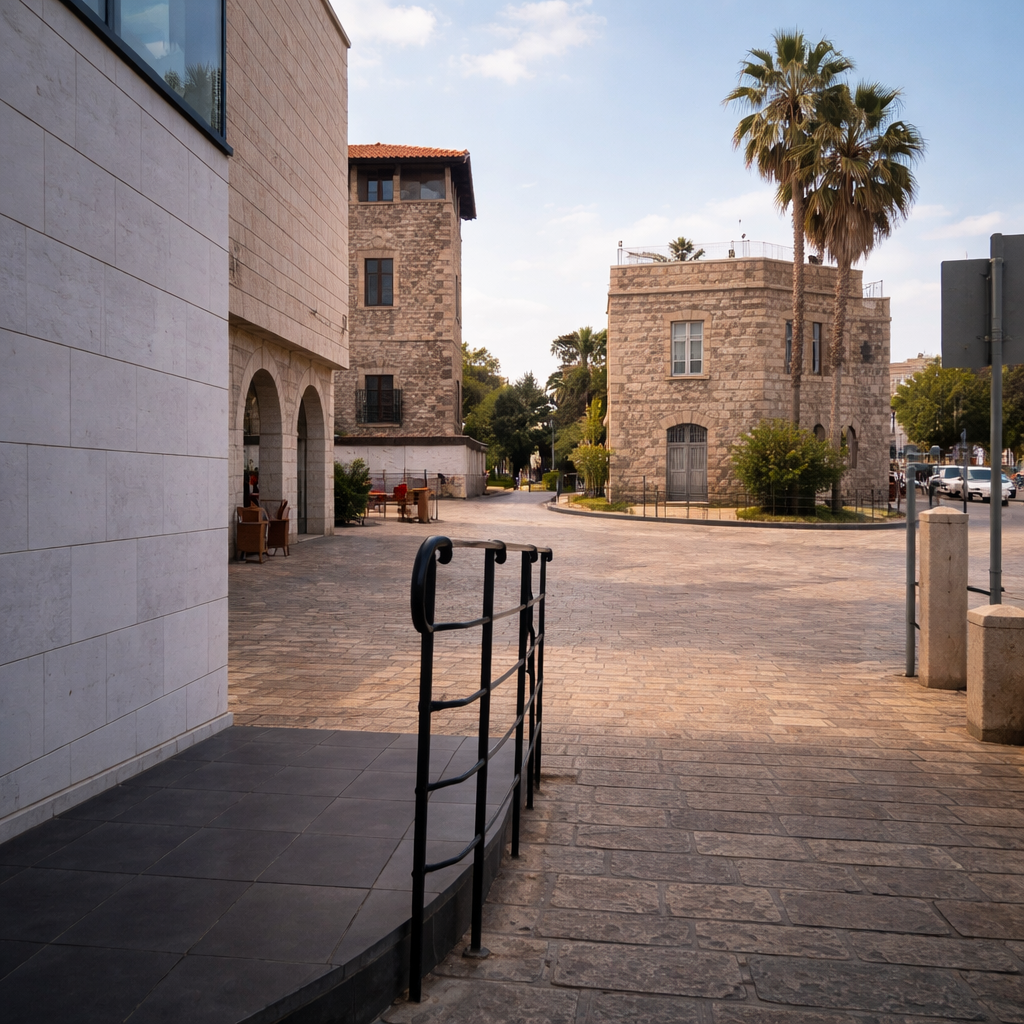
This relatively new hotel belongs to a rich Christian family from Nazareth. Excellent location, modern design and good service made this hotel a convenient place for recreation for many tourists. Over time, when the Barcelona project was realized, when the old port part became a tourist area, the demand for rooms in Golden Crown will undoubtedly increase even more. In the meantime, just across the square, construction of a new hotel complex, calculated for 350 beds, is underway.
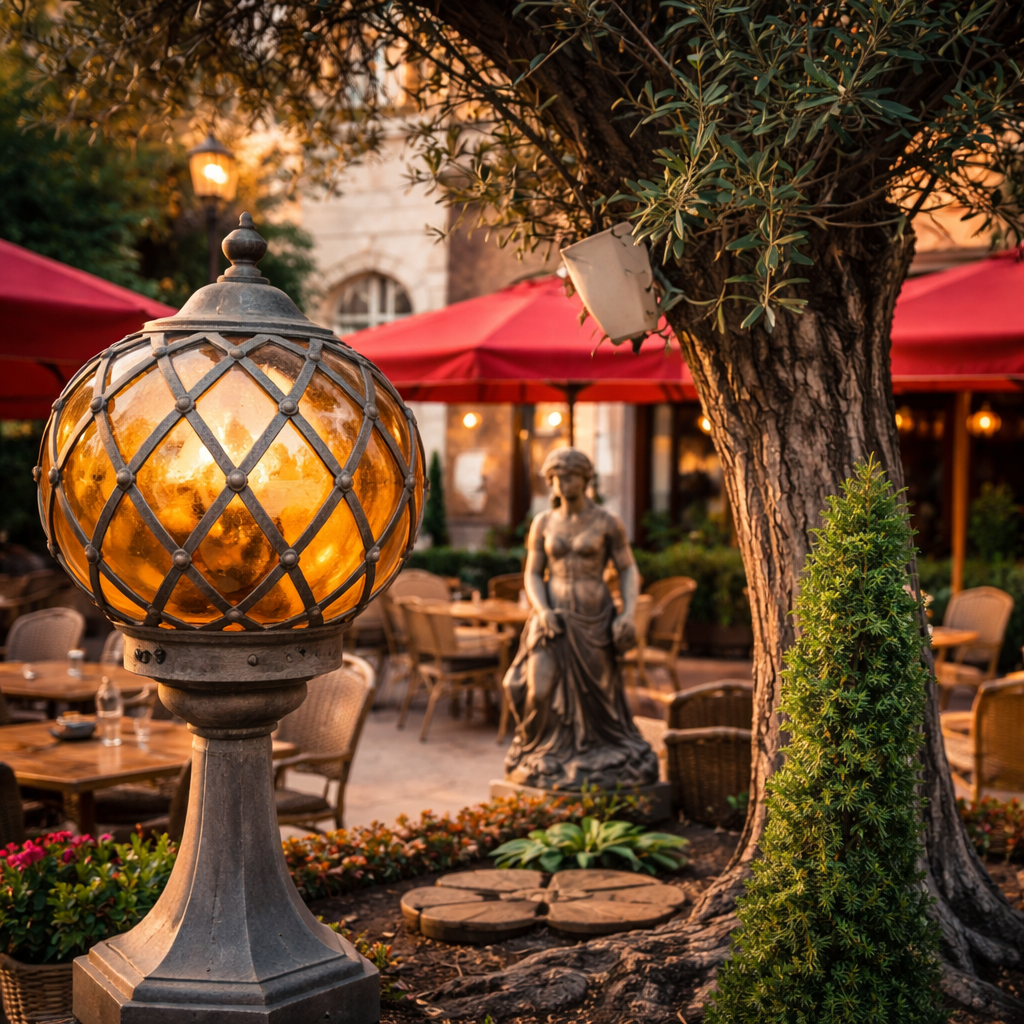
This shopping center is popular among residents of the city. There are many Outlet stores and the most visited hours are the morning ones before lunchtime. The complex also has a lot of administrative and office premises, cafes and restaurants.

There are three historical buildings here one after another. Numbered 8, 10 and 12. The building in which the Aroma (number 8) cafe of the Israeli global network comfortably settled used to serve the Dick family. Abraham Dick (1848-1917), the father of the family came to Israel from the Caucasus. The company he owned was founded in Haifa in 1878. The company was engaged in a number of cases, but mainly imported agricultural equipment and was then one of the largest in the country. The company was later inherited by Timothy (Timothy) Lange (1869-1947) and Gottlieb Schumacher (1857-1925). Timothy was the son of Anna Lange (1843-1930) of Abraham Dick’s sister. And Gottlieb Schumacher - Maria's husband from the house of Lange - Anna's sister. Their house was built at the end of the 19th century and stretched over 4 levels: 2 main floors (about 170 square meters), an attic and a basement (about 100 square meters). At the entrance are arched passages and large windows in which agricultural machinery and goods were exhibited. At the top of the building you can observe the gable, which characterizes the architecture of the Templars - the religious German Christian community, who founded the colony itself at the end of the 19th century. As in many other houses in the colony, it was customary to engrave inscriptions from the Old Testament above the entrance door. On this house is the inscription "EBEN EZRA 1893". This is a year of construction and a psalm: "And Shemuel took one stone, and put it between Mitzpa and Shane, and named it Even-Aizer (Help Stone), and said: God has helped us to this place." Today, the expression symbolizes the help of God (like the expression "with God's help"). Opposite the house there used to be the Carmel Hotel, then the bus station, now the hotel complex is being built again.
The next building at number 10 (not renovated) is the Schumacher family home. They arrived in Palestine from America. Jacob - the father of the family joined the templars and built this house in 1870. As is customary among the Templars, above the entrance of the psalm from the book Teyilim: “Test the light of Thy face on us (show us), Yehova!” Jacob was appointed honorary consul of the USA and his house became a consulate, the post was inherited by his son Gotlib. In this house were the British officers Condor and Kichner (the future lord) who created the Golan and Galilee cartography. They continued their work and multiplied Jacob’s son, Gottlieb Schumacher. He designed the Haifa Damascus railway, led Armagedo struts, where he found the famous seal in the form of the lion of the biblical king Jeroham. He designed a winery in Rishon Lacione, built a pier for Kaiser Wilhelm in Haifa, the house of Muscovy in Nazareth. During the First World War, Gottlieb joined the ranks of the German troops and after the defeat of Germany he could not return to English Haifa until 1924, and returning, he died a year later. The Schumacher family was deported by the British in 1939 during the Second World War. The symbols of Schumacher’s house were the American flag and the sundial donated by Lord Kitchner.

The hotel was built in 1905 by the Christian Epener family, members of the Templar community that founded the German colony in Haifa in 1869. Two sisters, Christine and Helena, ran the hotel until the early 1940s. Their brother Gottlieb Epener, who owned a horse-drawn carriage workshop, assisted them in the administrative and financial management of the hotel. Near the hotel, the first palm trees in the German colony of Washington were planted. They are famous for their great height and, they say, served as a guide for guests, so that you can always easily find a hotel. The archives of the Schumacher Institute, located in Haifa and documenting the city's history, describe the way of life in the German colony of the late 19th and early 20th centuries. The archival records refer to the Epener sisters, renowned culinary experts, whose restaurant, located in the hotel, was in great demand among the colony's guests and popular among British officers until the liquidation of the German community in the 40s (World War II). Also noteworthy is that the Peel Commission (the British Departmental Commission that resolved the partition of Palestine) was based in this hotel for an extended period. The British Government of Palestine decided to deport a large part of the German community to Australia as a result of the open support of the National Socialist Party of Nazi Germany. The property was more nationalised and subsequently acquired by private individuals. In 1950, Shmuel Drezner, a Jew who survived the Holocaust, bought a hotel and worked under his leadership until 1978. In December 2006, the building was acquired by a construction company and repaired, fully preserving its historical appearance (the restoration was carried out under the supervision of the Department for the Preservation of Historical Monuments of the Haifa City Hall). The hotel's design preserves the building's original atmosphere, including terracotta tiles, original wooden balustrades, windows, wooden shutters, and a general style that matches the building's character. Many bathrooms have four-poster baths; wooden windows and blinds are preserved in accordance with the original design; the rooms have old-style oak furniture; and the original 1905 floor tiles have been preserved in many rooms and corridors of the hotel.
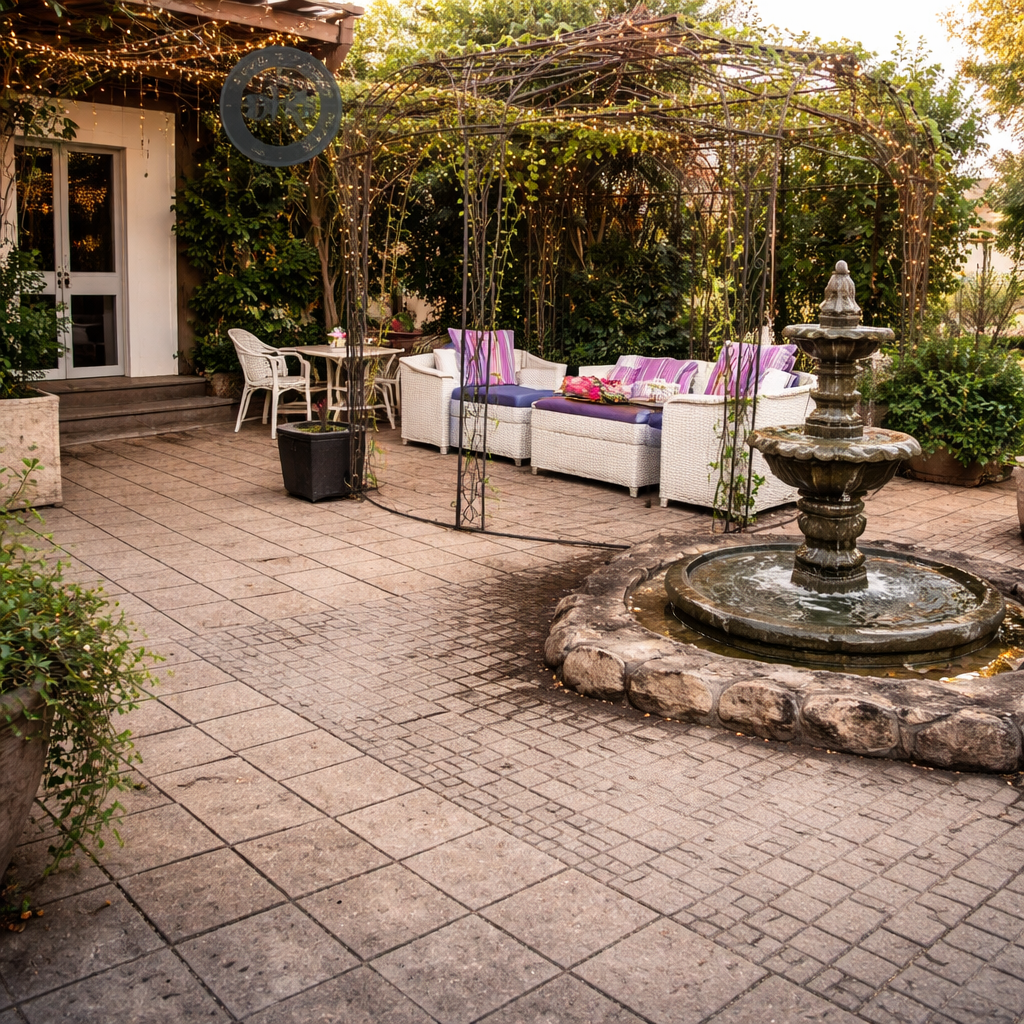
A small hotel boutique, restaurant, lovely courtyard - all this is one complex of interesting and revered places in the city. Here, art workers, students, representatives of the Haifa bohemia, for the most part, people of free views and liberal mores, like to meet and spend time. Here you will meet the city's Arab intelligentsia, Jewish residents, university youth, artists, and bloggers, and enjoy the atmosphere of the unobtrusive coexistence of two worlds: the west and the east.

In this, typical of the Templers for its architecture and house structure, today the municipal not-for-profit organisation and the tourist information centre are located. Here you can find everything related to tourist attractions and recreational areas in the city. Various museums, exhibitions, events - the tourist centre will tell and tell about everything. It is also convenient that you can buy tickets here and make preliminary registrations for recommended places and objects.
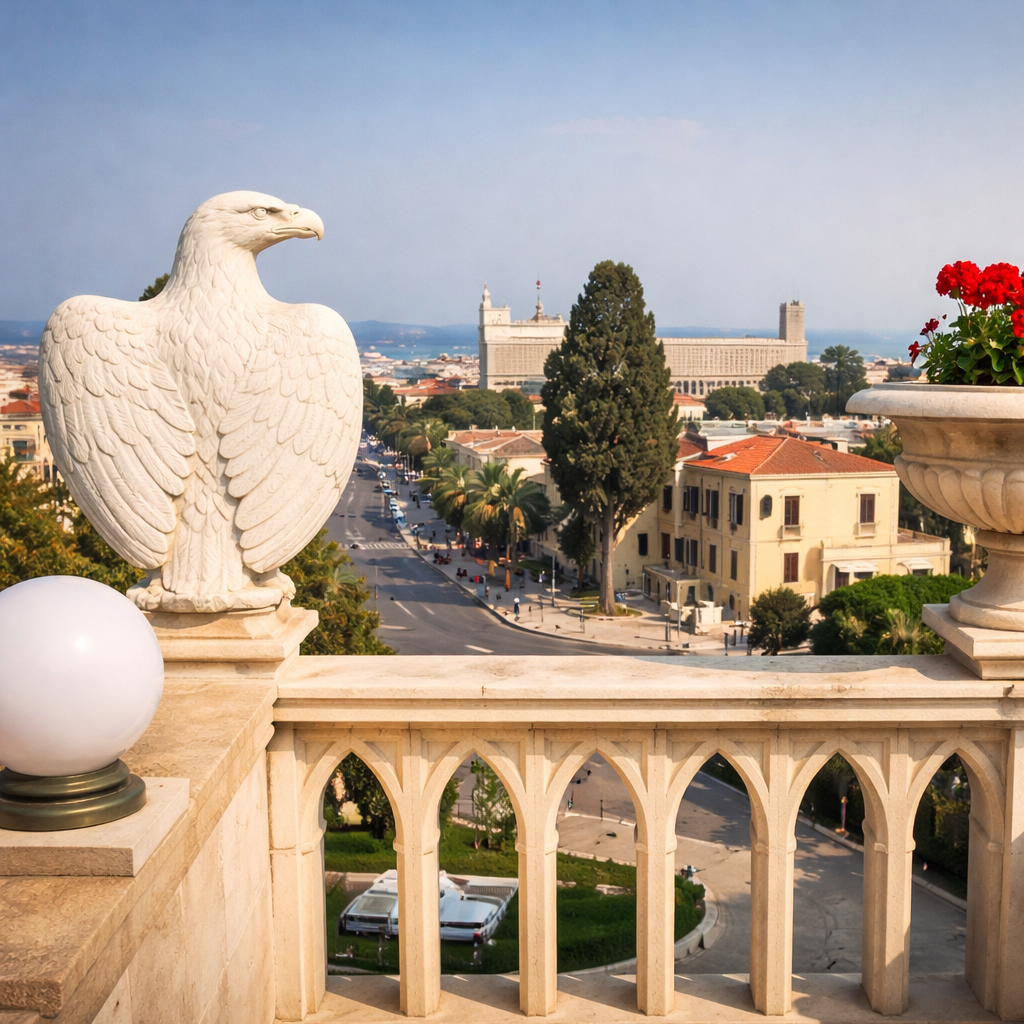
The Baha'i religion was born and finally formed in the second half of the 19th century in Acre and Haifa. Once persecuted by the Turkish authorities, a group of followers of the Bab, the founder of the faith, was banished to Acre. Adherents, led by the successor to Bachulla's teachings, were able to settle in Acre and Haifa and place the remains of the founder of the teachings of the earth on the slopes of Mount Carmel. Today, a tomb with a golden dome stands at this place - a symbol of the Bahai gardens and the whole of Haifa. Around the tomb were gardens with 19 terraces. The entrance to the upper, lower, and tiddle oterraces, where the tomb is located, is open and does not require prior approval. Passing through the terraces is possible from top to bottom as part of organised groups at certain hours. One of the essential elements of the Bahai faith is beauty and harmony, which are reflected in beautiful gardens.
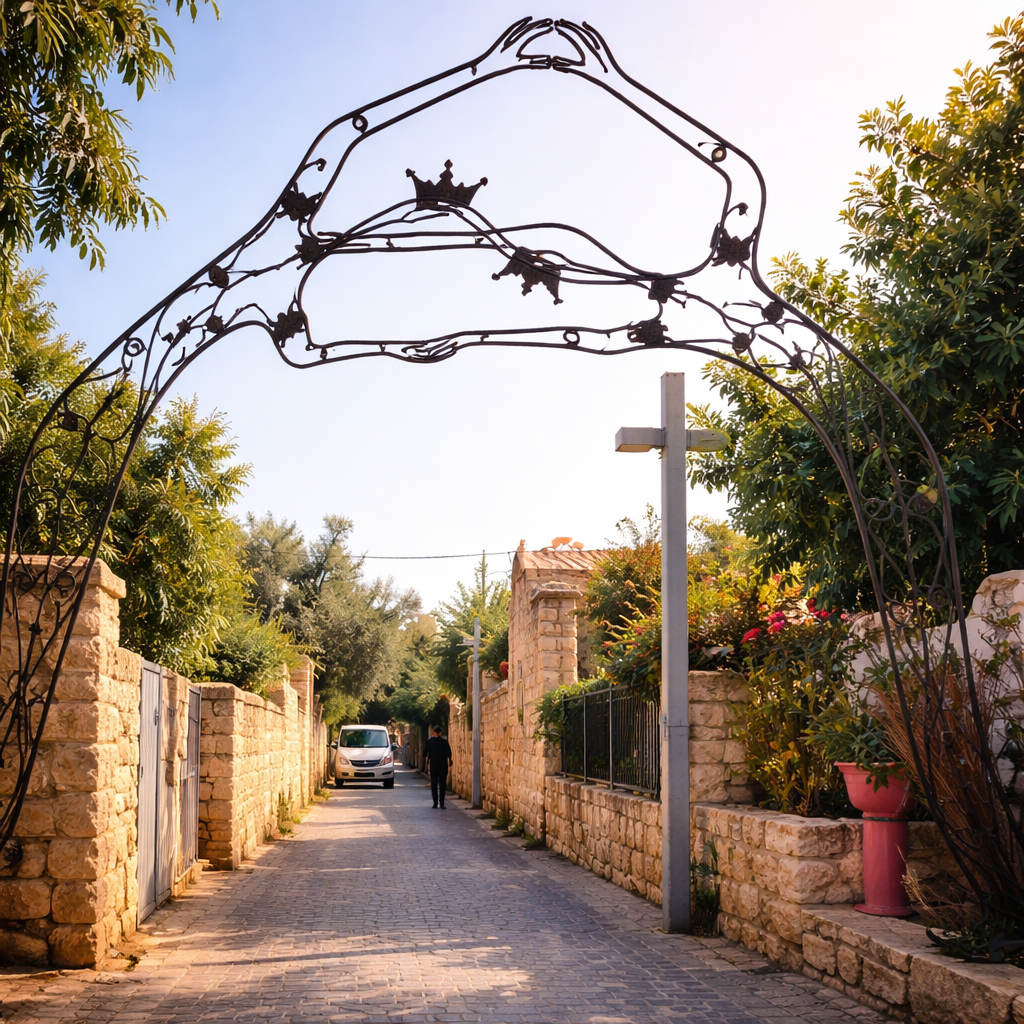
Here, hand in hand, the two female silhouettes form an arch that leads to Church Street. Along the walls of houses and fences on this alley, there are poems by Jewish and Arab poets. Therefore, the lane is called the lane of poems or the road of songs. From her, the path leads to the city's old Arab district, called Wadi Nishnas. Now two female images at the entrance to the street of songs become clear: they symbolise the Jewish-Arab coexistence in Haifa.

One of the most famous restaurants in the German colony is Dojan Restaurant. Its founder and owner, Faadi, has a fascinating and challenging story. Born into an Arab family, Faadi was an unconventional child who faced many difficulties. He aspired to be an architect, then a cook, and at various times envisioned different career paths, but above all, he wanted to be himself.
After many years in France, Faadi returned home to this house and decided to dedicate himself and the entire space to the pursuit of universal and authentic values, believing there is no contradiction between these concepts. His house doubles as a museum, featuring real antique furniture and historical photographs of Haifa from the early 20th century. The interior is adorned with replicas that reflect the history of the German colony and the city at large, telling stories of people, places, and, of course, the culinary traditions.
As Faadi himself puts it, "My mother cooked deliciously, and it was only in France that I understood what needed to be done to achieve that." The restaurant's menu offers exceptional dishes that blend Mediterranean, Middle Eastern, and French culinary traditions. For example, one dish, "rolatini," features fried eggplant stuffed with goat cheese and drizzled with olive oil and tomato sauce. Another highlight is the lamb ribs served with rosemary sauce. For dessert, don't miss the "drunken pear," which is a pear poached in red wine and topped with chocolate sauce.

The intersection of Ben Gurion and Amagenim streets serves as the central hub of the German Colony in Haifa. It emerged in the second half of the 19th century due to the efforts of the Templers, a German religious movement committed to promoting and developing the Holy Land. During World War I, the British authorities deported the local German population to Egypt, allowing them to return only in the mid-1920s. In the 1930s, support for Hitler became overt in the area, with posters displayed around the central square stating that entry was prohibited for Jews and dogs.
With the onset of World War II, the British once again deported the local German community, this time to Australia, and they did not return after the war. Following the establishment of the State of Israel in 1948, diplomatic relations with post-war Germany were challenging, particularly following the Holocaust, which resulted in the deaths of six million Jews. However, then-Prime Minister David Ben Gurion successfully established diplomatic ties with Germany and convinced the Israeli public of their importance.
Notably, this intersection was the site of the first traffic light in Haifa. Today, it features a Christmas tree and a menorah, symbols of coexistence among Christians, Jews, and Muslims in Haifa. This harmonious relationship is celebrated during the Holiday of Holidays, a week-long festivity in late December when all three religions observe their respective holidays simultaneously.

This large, well-appointed house, which houses the restaurant Rak Basar (meat only), was once home to the Schmidt family, whose head physician was Dr Schmidt. He served as the Deputy Honorary Consul of Great Britain in Palestine and laid the foundations for modern medicine in the region.
The house features three floors: a basement, a ground floor, and a top floor. It has preserved its early 20th-century interior and decor. Upon entering, visitors are greeted by a spacious foyer with a glass floor that offers a view of the cellar, where ancient wine storage barrels, bottles, and various tools are on display.
Today, Rak Basar specialises in cooking meat dishes. A distinctive feature of the restaurant is that customers can choose fresh meat from an extensive showcase, much like a butcher shop. Payment is made by weight, and the meat is cooked over an open fire. The restaurant impresses even the most discerning culinary enthusiasts!
Guests can select from a wide variety of meats, including Asado, Cinta, Chorizos, fillet, kebab, goose breast, and more. These selections are accompanied by dishes cooked over the fire, along with mushrooms, vegetables, salads, and local young wine.
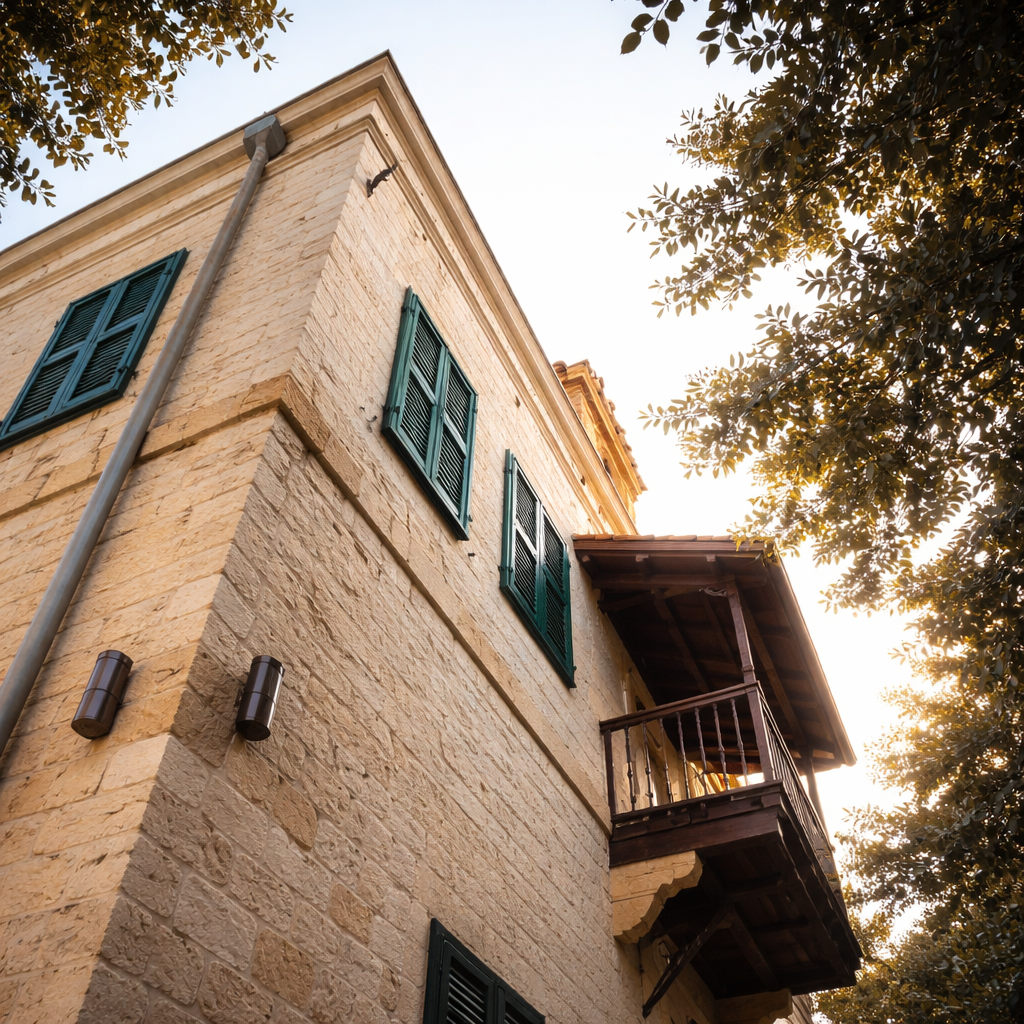
Today, after the building's restoration in 2000, the Haifa City Museum is located there. The building itself was built in 1869 and became the first stone house of the Templar community in the Holy Land. It was the house of the national assembly, the hall for sermons and meetings, the school and the local council at the same time. The bells in the annexe above the facade announced meetings. It is said that Kaiser Wilhelm spoke to the people from a balcony during his 1898 visit to the Holy Land. Above the entrance, as usual, there is a quotation from the holy scriptures; this time, the dog is mentioned: "If I forget you, Jerusalem, may I lose my right hand."
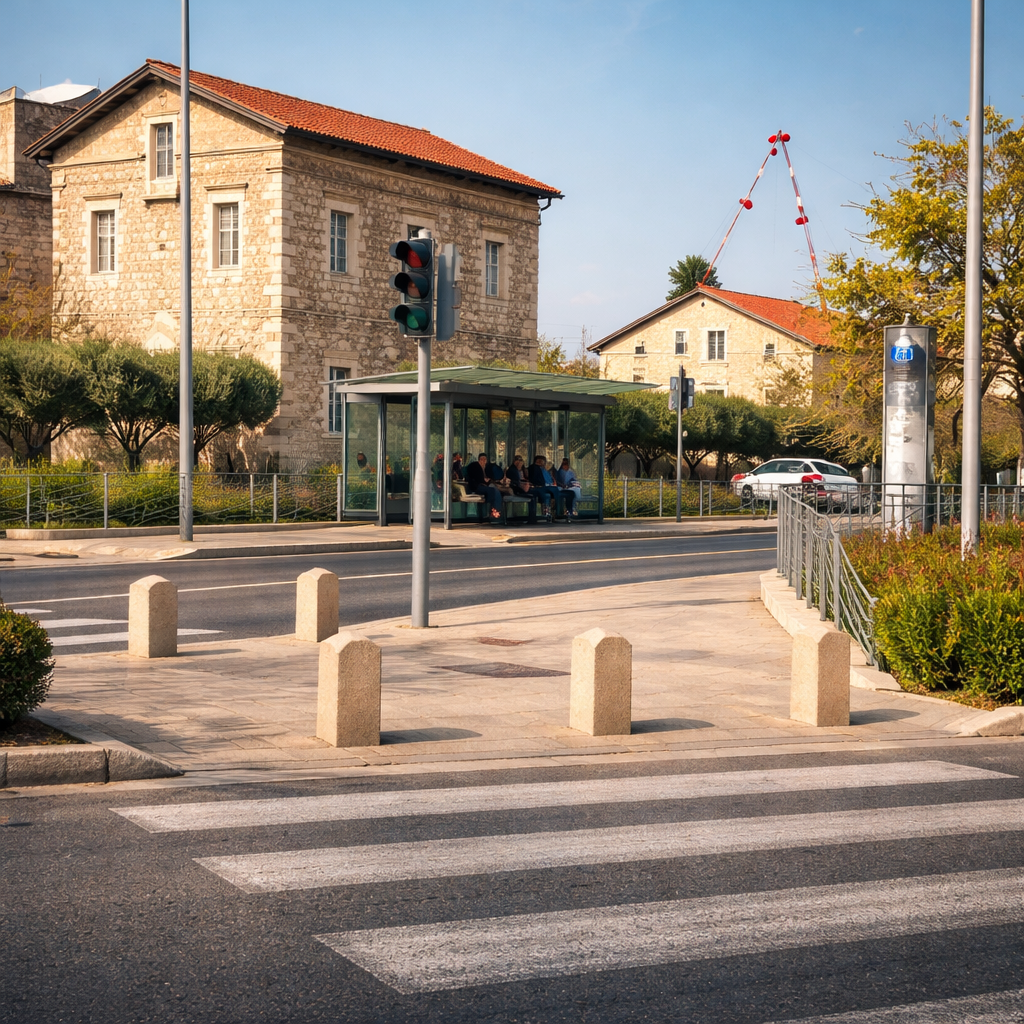
Here at the intersection of Jaffa and Ben Gurion streets, our walk through the German colony ends. On the opposite side, you can see the city shopping centre, next to the site of the former bus station, where a new hotel complex is being built, and a port and merchant ships can be seen in the distance. The German colony in Haifa became, in its time, an example of a new world of development and construction, which brought rapid change to the Middle East at the beginning of the 20th century. Today, it is a cosy corner of cute European architecture and of people and religions coexisting after the difficult years of shifting power, ideologies and cultures.