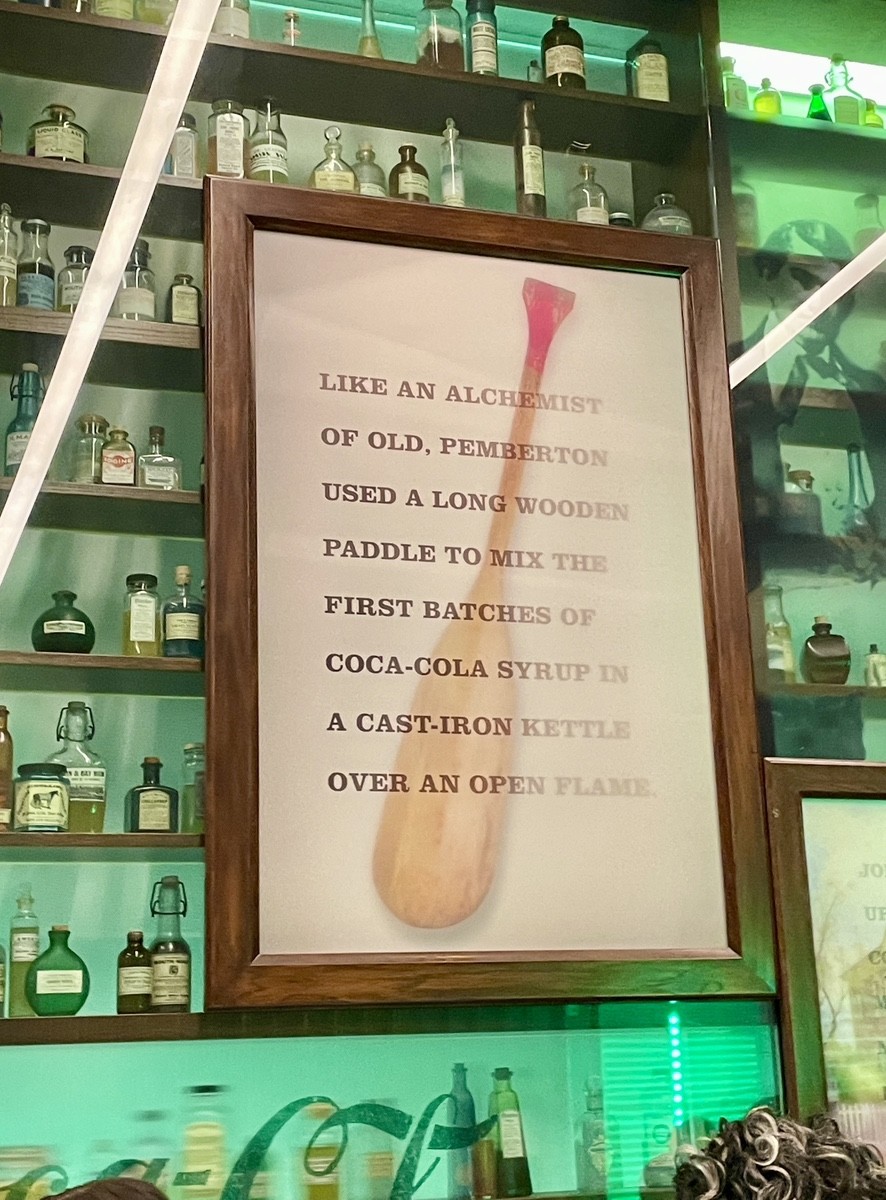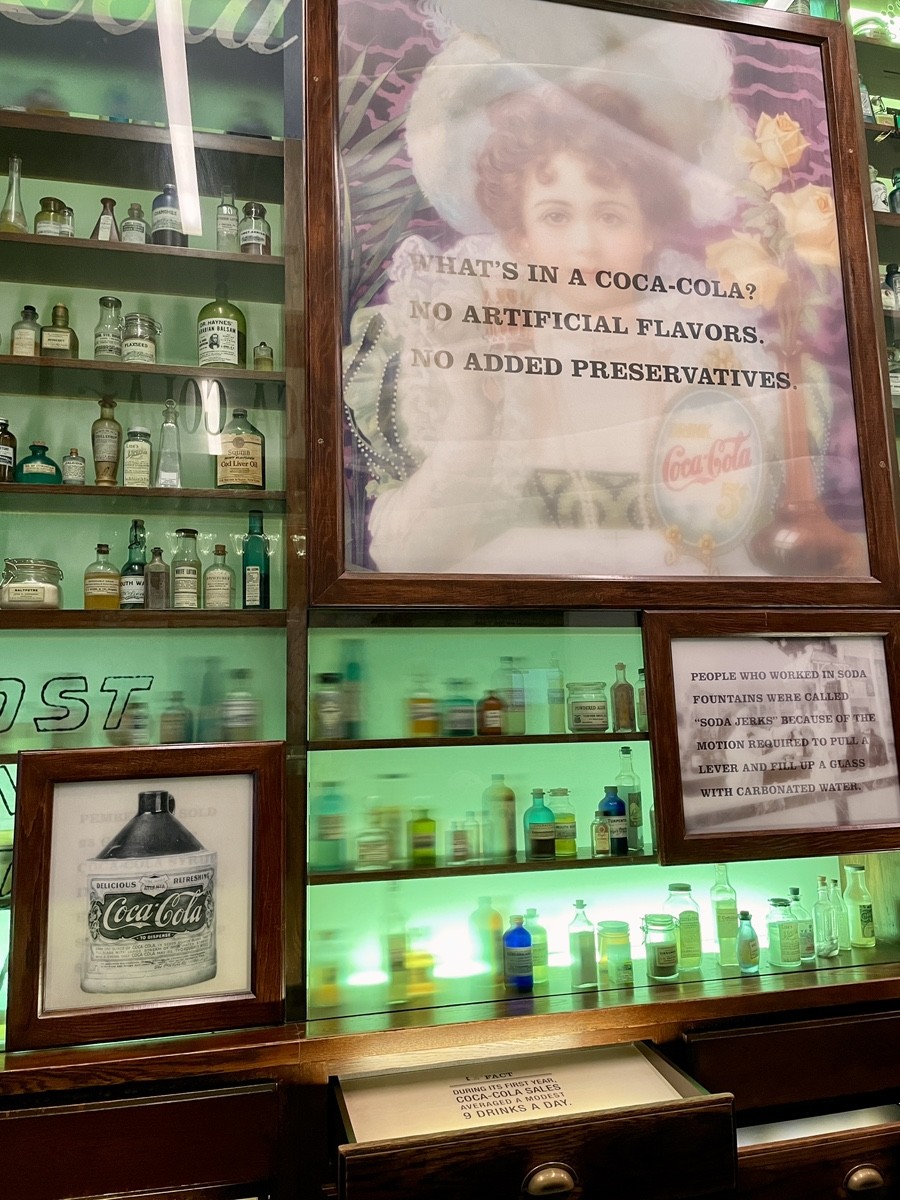

The story of Coca-Cola begins in Atlanta, where pharmacist John Pemberton, like a modern-day alchemist, stirred his first batches of syrup in a cast-iron kettle over an open flame in the late 19th century. The drink quickly caught on at soda fountains, served by “soda jerks” who mixed carbonated water with syrup using a lever. Even in those early days, advertisements highlighted that Coca-Cola contained no artificial flavors or preservatives.
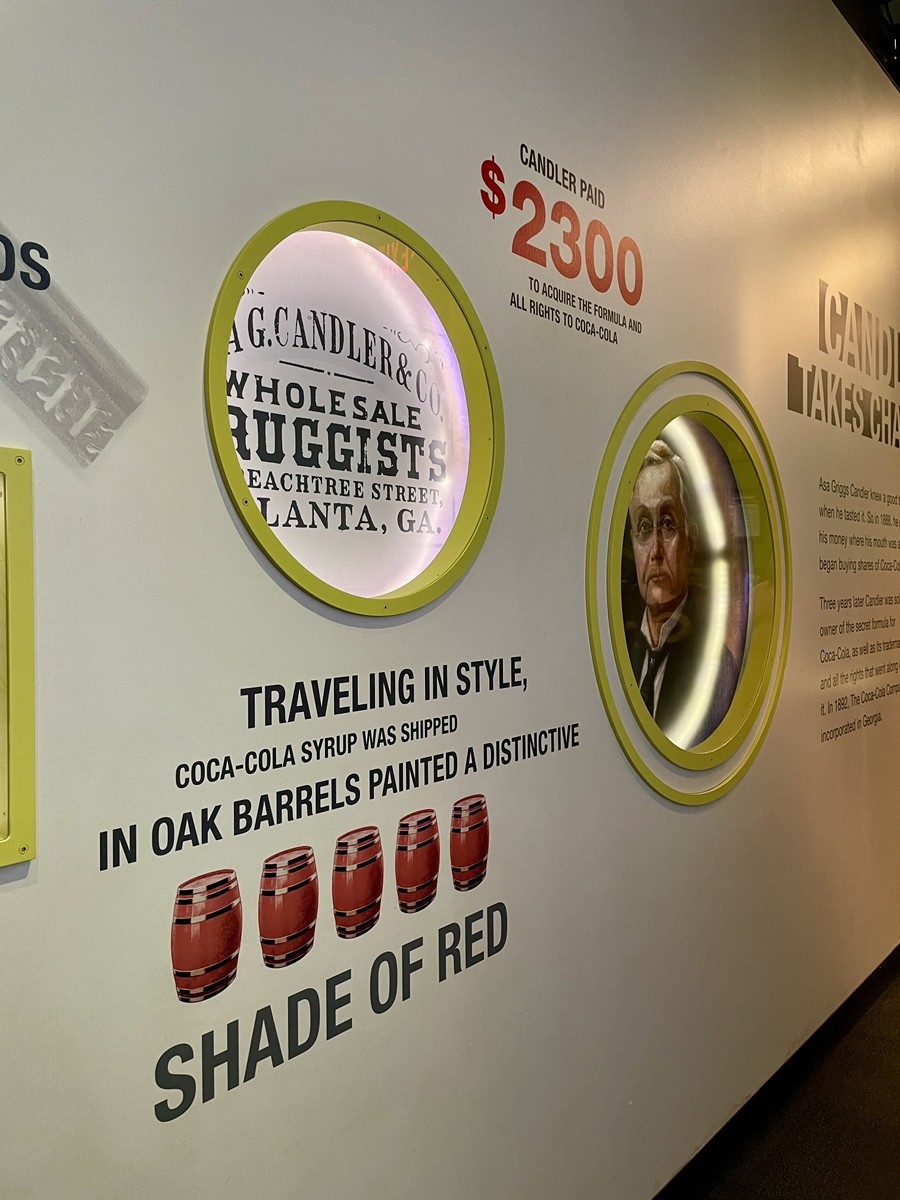
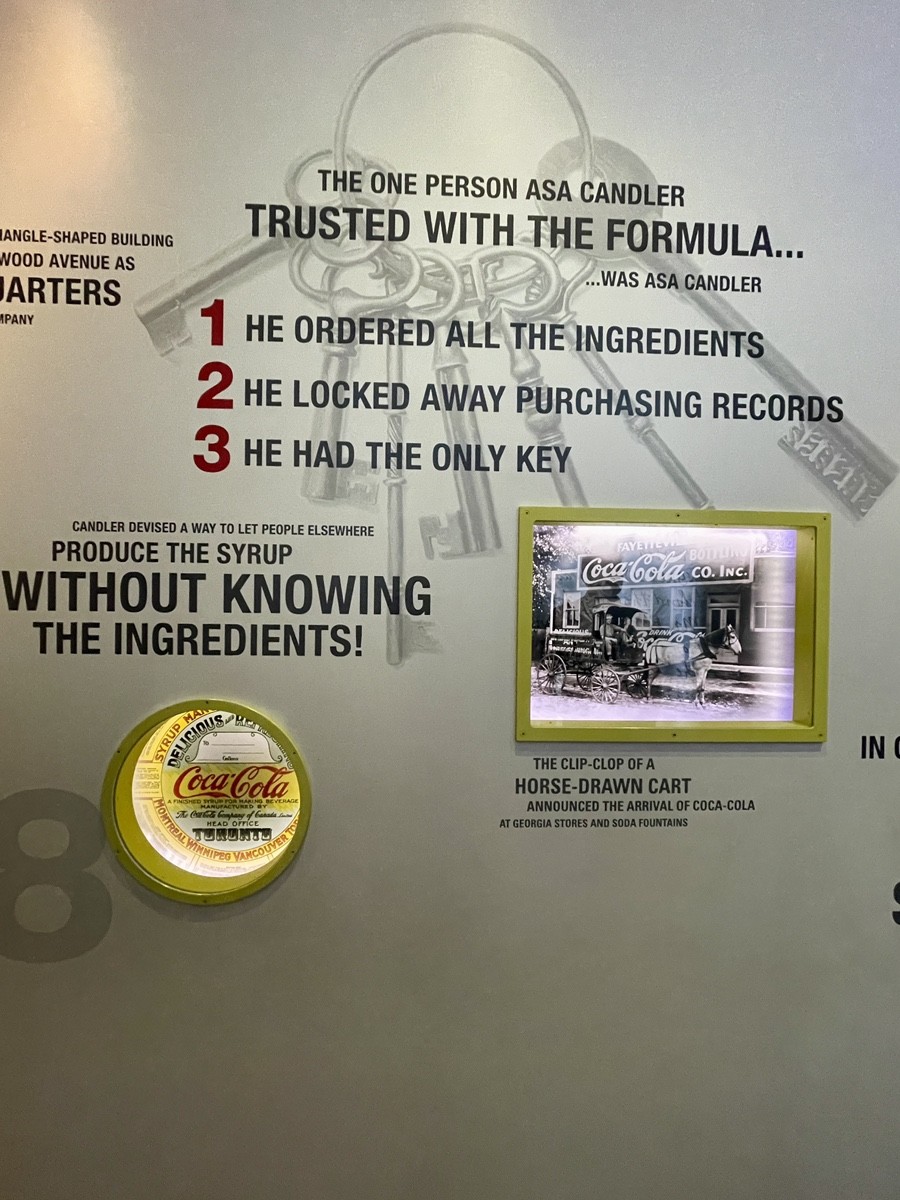
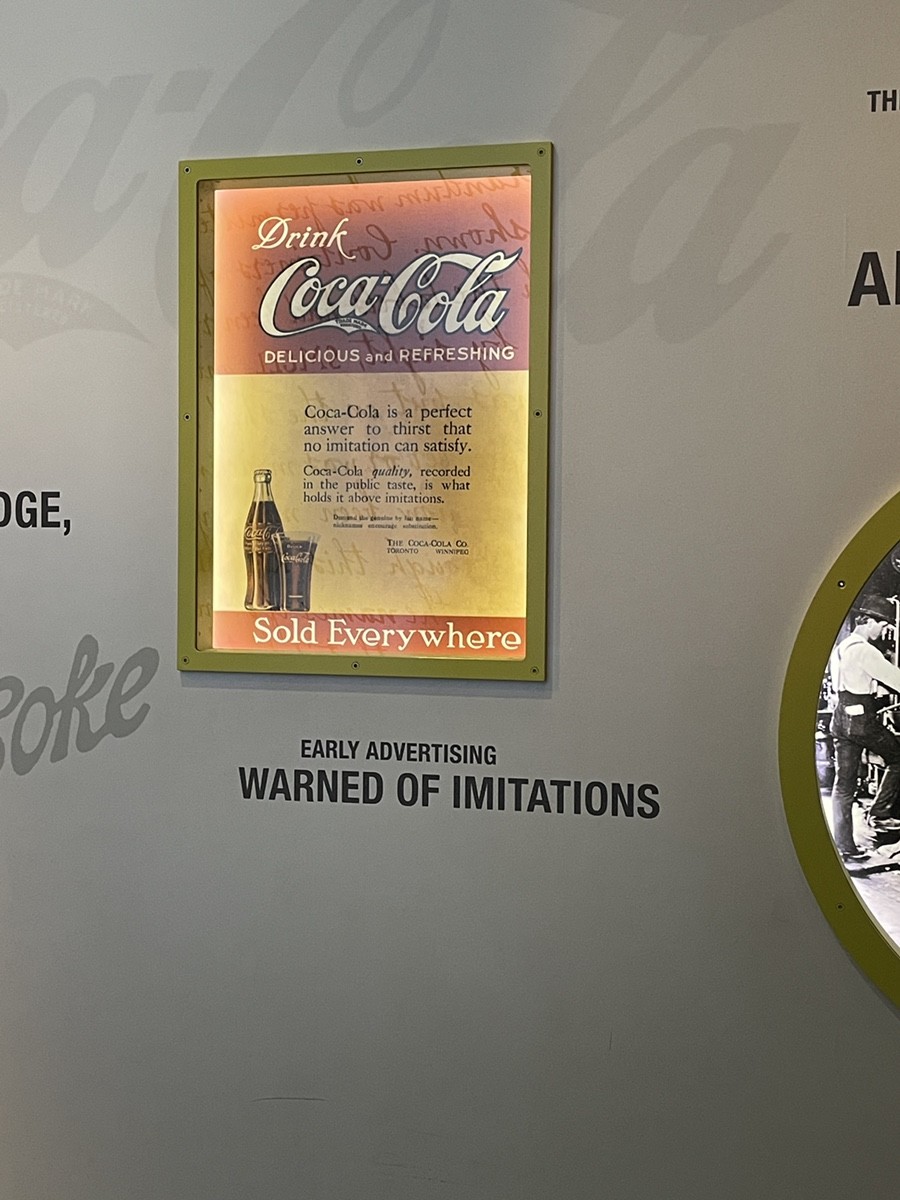
The rights to the formula soon passed to entrepreneur Asa Candler, who purchased it in the 1890s for just $2,300. Syrup was shipped in distinctive red-painted barrels, making the brand instantly recognizable. Candler fiercely guarded the secret recipe: he personally ordered ingredients, locked the formula in a safe, and kept the only key. As sales grew, early advertising warned against imitations, promoting Coca-Cola as “the real thing.”
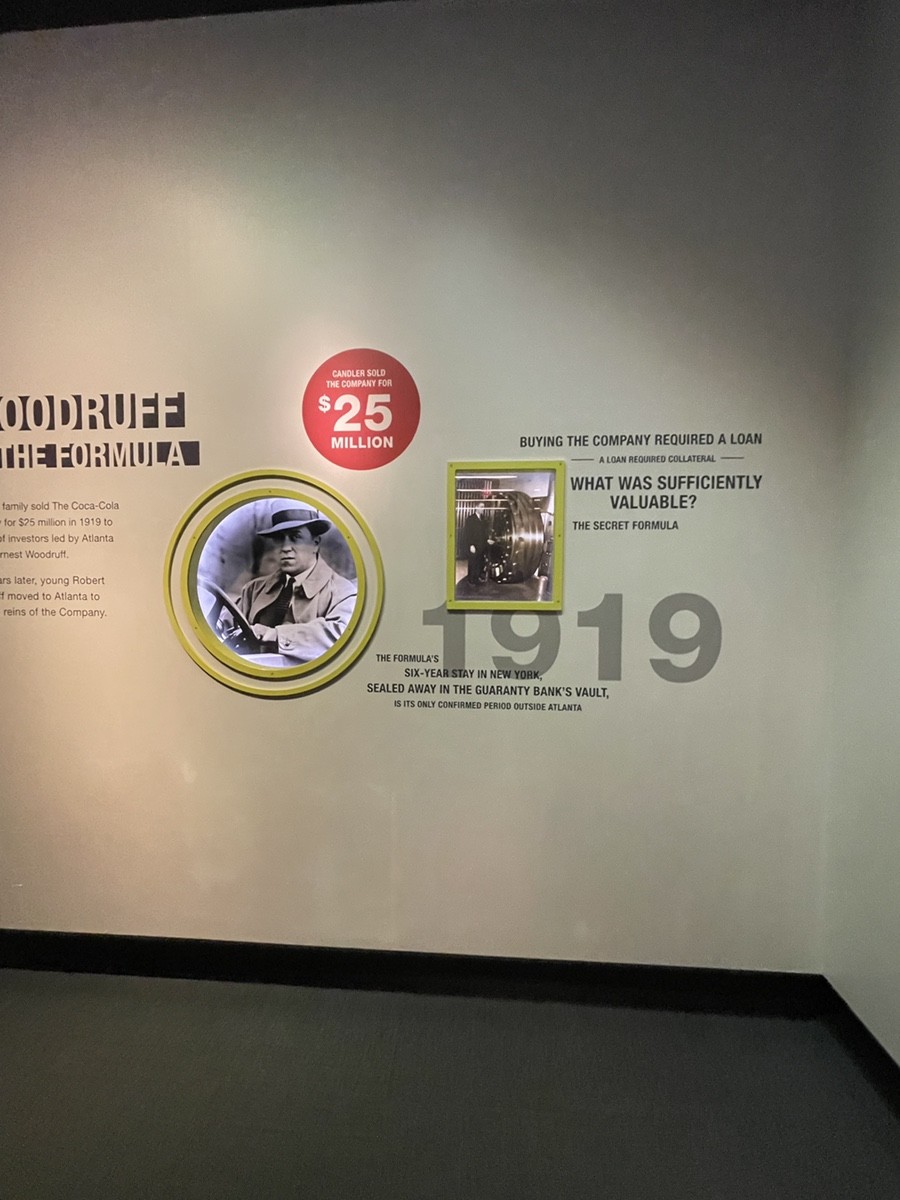
By 1919, the Candler family sold the company to a group of Atlanta investors for $25 million, one of the largest business deals of its time. For several years, the formula itself was moved to a New York bank vault. Meanwhile, bottling transformed Coca-Cola into a drink available anytime, anywhere, not just at soda fountains.
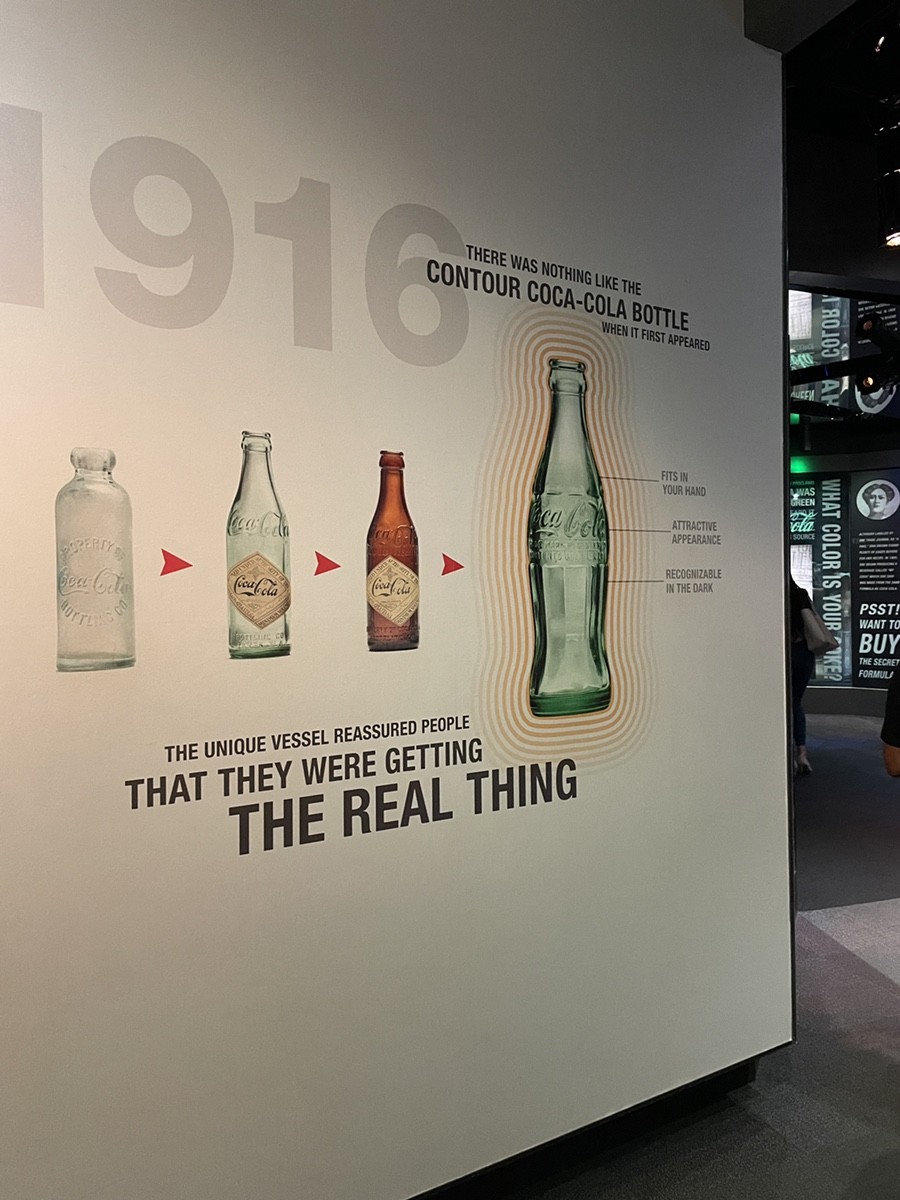
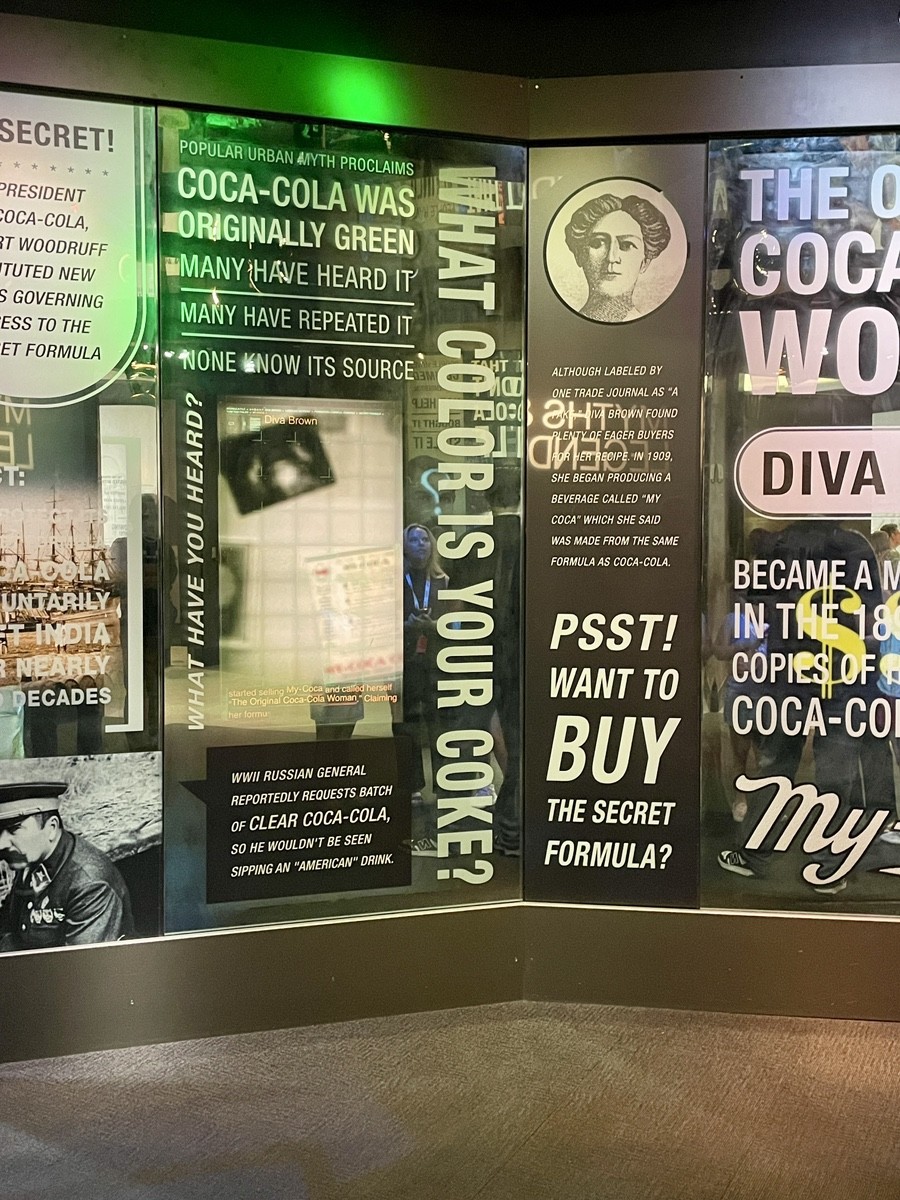
A major breakthrough came in 1916 with the introduction of the famous contour bottle — designed to fit perfectly in the hand, instantly recognizable even in the dark, and impossible to confuse with anything else. Alongside it grew myths, such as the rumor that Coca-Cola was once green, a story that only fueled the brand’s mystique.
From Pemberton’s kettle to Candler’s red barrels to millions of bottles worldwide, Coca-Cola evolved from a pharmacy syrup into a global symbol — The Real Thing — a taste that cannot be mistaken for anything else.
Atlanta began as a modest railway stop — the end of the line that unexpectedly grew into the South’s busiest hub. The city was burned to the ground during the Civil War, yet out of the ashes rose a bold, industrious Atlanta. This is the birthplace of Coca-Cola, the cradle of the modern Civil Rights Movement, and home to the largest Black middle class in the United States. Few cities embody change and resilience the way Atlanta does.
At the heart of downtown lies Pemberton Place, a cultural crossroads where three icons stand side by side: the vast Georgia Aquarium, the playful World of Coca-Cola, and the moving Center for Civil and Human Rights. A short walk from the parking lot takes you past fountains and green lawns straight into this vibrant trio.
The Georgia Aquarium is breathtaking in scale — the largest in the Western Hemisphere. Its glass tunnel immerses you in the deep, as whale sharks and graceful manta rays glide overhead, surrounded by a dazzling cast of marine life. The highlight for many visitors is the dolphin presentation in the “Ocean Theater,” a show where science and spectacle merge to reveal the intelligence and energy of these remarkable animals.
The World of Coca-Cola tells another side of Atlanta’s story. From Dr. John Pemberton’s original pharmacy syrup to a brand recognized by billions, the museum traces the evolution of a cultural icon. Visitors marvel at the legendary vault said to guard the secret formula, and the experience ends in the famous tasting room — more than 100 flavors from 40 countries. From familiar Fanta and Sprite to exotic drinks that spark delight or surprise, every sip is part of a global journey that began right here in Atlanta.