
Beit Jamal Monastery possesses a unique combination of religious and scientific interests, particularly evident in its meteorological station and olive groves.
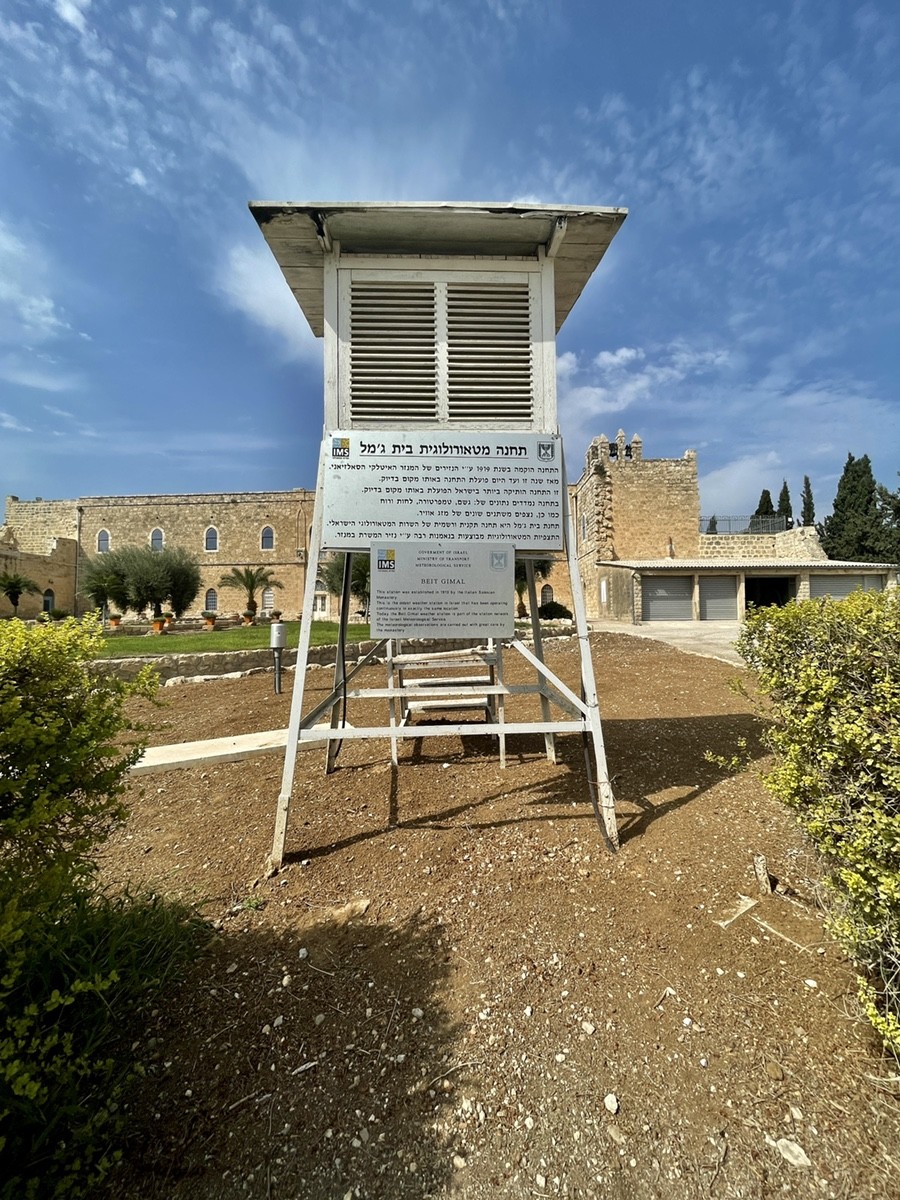
**Meteorological Station:** The history of meteorological observations in Israel began in the 19th century when research societies from Germany and Britain established the first stations. The meteorological station at Beit Jamal Monastery was installed in 1919 by an Italian patriarch and is one of the oldest operating stations in the country. It began its operations a year before the start of the British Mandate, during which five more stations were established. The monastery's station became a crucial centre for collecting data on the region's climate, contributing to the scientific understanding of weather and climate changes.
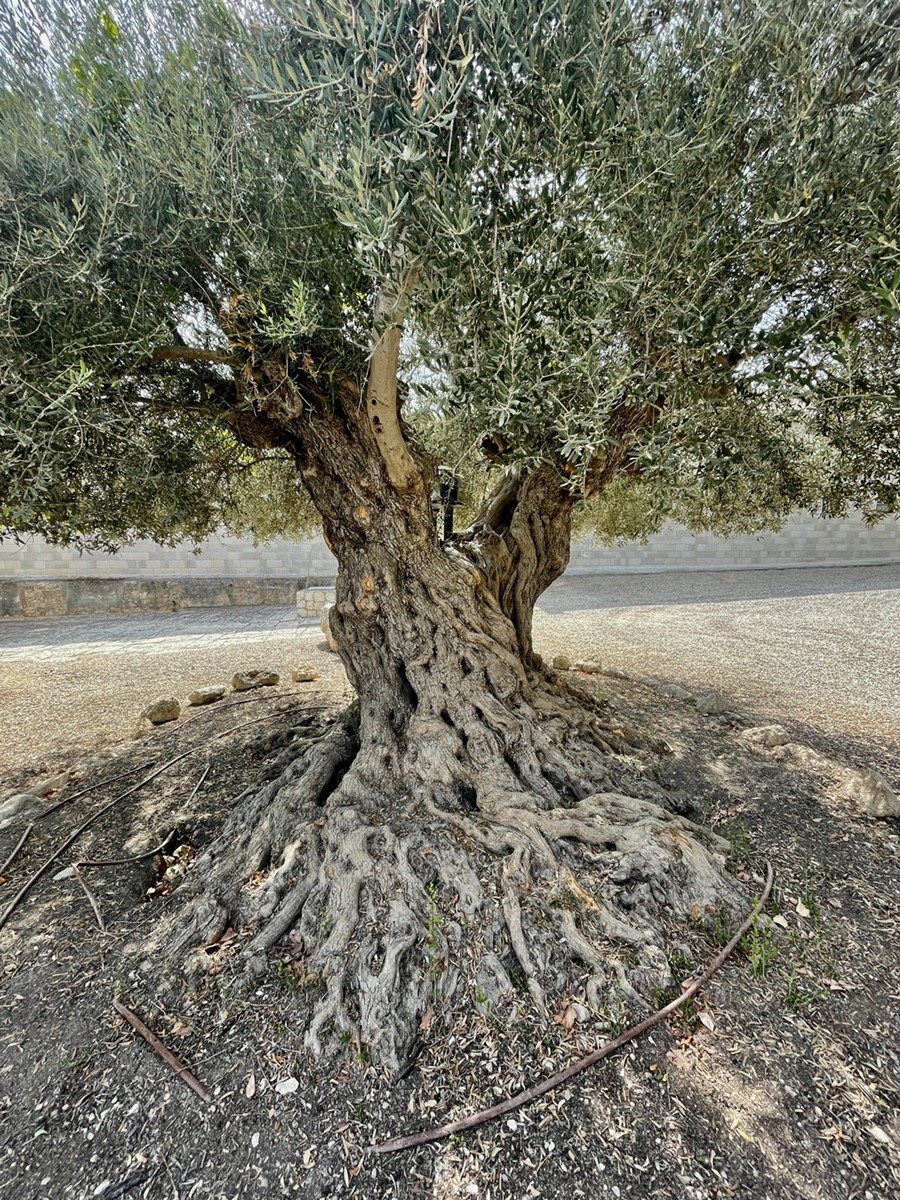
**Olive Trees and Olive Oil Production:** Olives and olive oil play a significant role in the monastery's life. Among the olive trees at the monastery is a particularly ancient one, estimated to be eight hundred years old. This tree symbolizes the continuity of life and cyclicality; as olive trees age, they become hollow inside yet continue to grow and bear fruit. Near the monastery, an ancient stone table is used for making olive oil. A functioning cast-iron press stands nearby, still used to extract the valuable olive oil. This process is a tradition and symbolizes patience and preservation, deeply rooted in this unique place.
These two aspects—the meteorological station and the olive trees—make Beit Jamal Monastery a spiritual centre and an essential place for studying nature and sustaining traditions.
Traveling along the slopes of the Jerusalem Hills is always a pleasure: here you can admire magnificent views and enjoy the route. It is very important to visit Beit Jamal before 11 AM, as after this time there will be a break during which many places close. Beit Jamal is known for its history, scenic views, and unique church. The next stop should be a visit to the stalactite cave, which is a real treat. Remember, the descent into the cave is down a slope; the path is equipped, but requires caution when descending and ascending, which could be equivalent to climbing the height of seven floors. After this, a wonderful hiking trip through the mountains awaits, where you can fully appreciate the beauty of the area. Be careful if you plan to integrate into the local environment, and do so only where it is safe and possible. Your journey also includes a visit to Tzuba Winery, known for its excellent wines and panoramic views. At the end of the day, you will visit Moni Winery, which is the perfect place to end your journey. Both wineries close at 5 PM, so time management is crucial. Moni Winery is open on Saturdays, unlike Tzuba, which is important to consider when planning your route. Remember, the time specified between locations is travel time, and you can spend as much time at each location as you deem necessary, so plan your trip accordingly. This historic journey through the unique features of the Jerusalem foothills, where each stone is steeped in history, intertwines early Christian traditions and late Judaism from the times after the destruction of the Jerusalem Temple, as well as echoes of modern stories and events. You will also be enchanted by the geography and natural beauty of this region. Its unique viticultural opportunities are often compared to the richness and beauty of Italy's Tuscany for its fertility and picturesque landscapes.