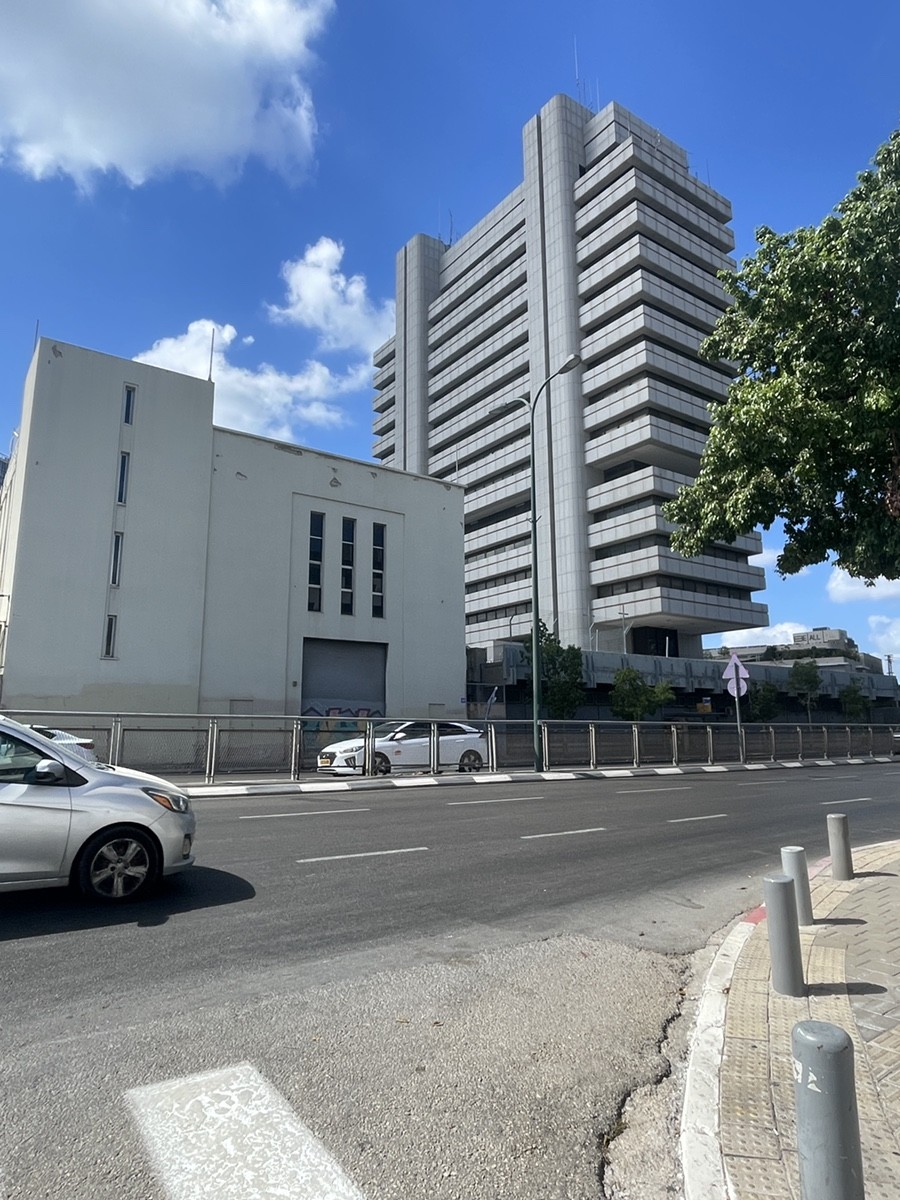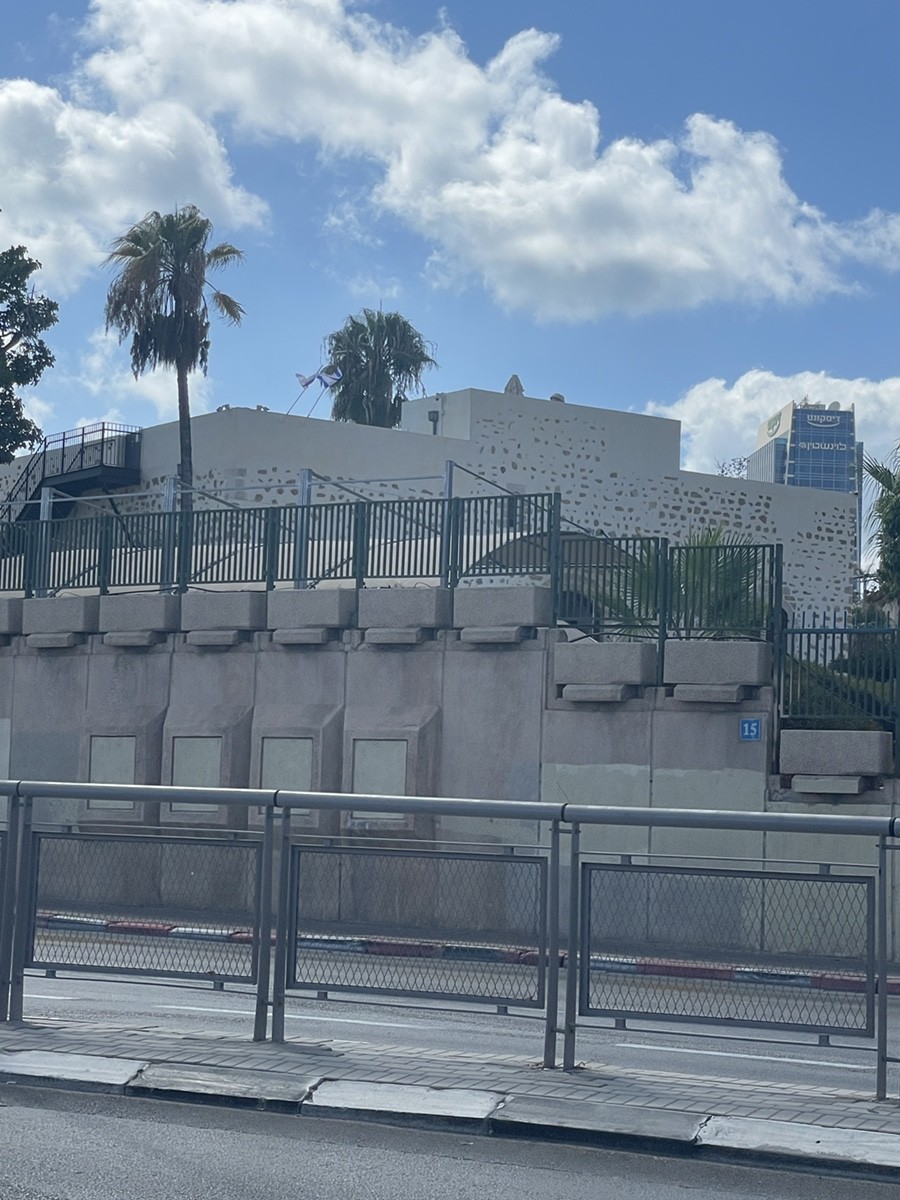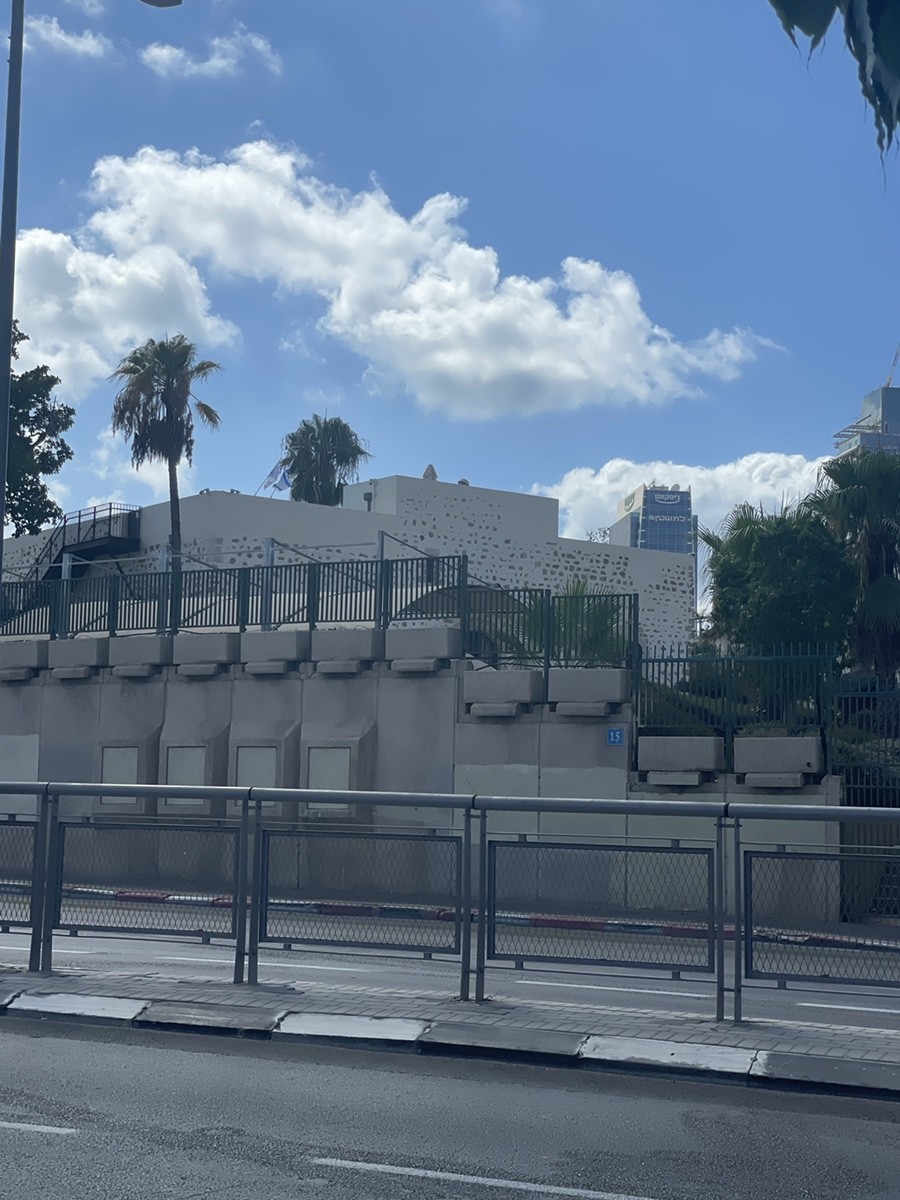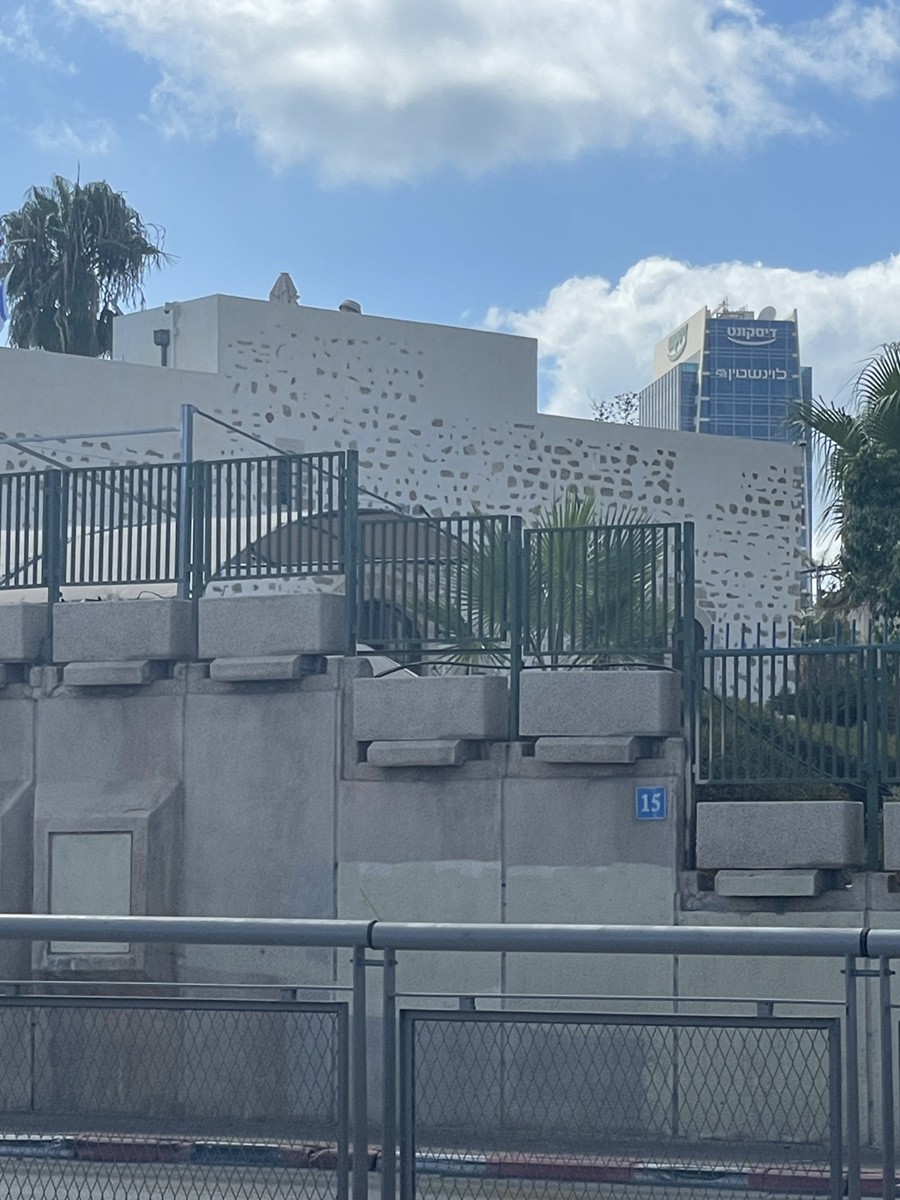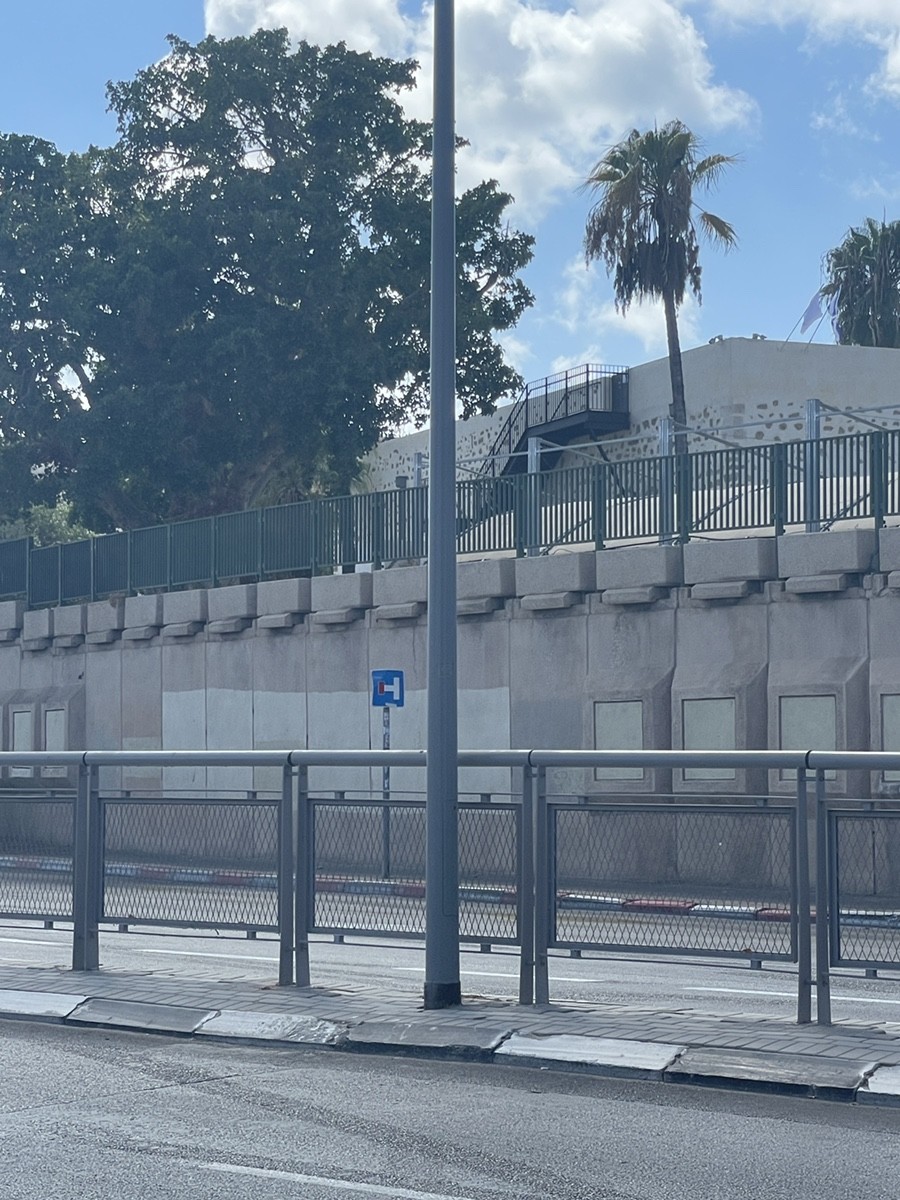

Once, in the mid-19th century, the outskirts of Jaffa were home to a tidy *bayyara* — an orange grove with a well and a small workers’ house. The land belonged to a Christian merchant, Manuel Calis, until 1856, when an unlikely figure arrived: Albert Augustus Isaacs, a missionary from Jamaica. An Anglican priest, traveller, and photographer — born in the Caribbean, educated in England — Isaacs became convinced that under the scorching Palestinian sun he would build a model of modern agriculture: the **Model Farm**. It was meant to be a school of new farming — European ploughs, an irrigation tower, water channels, storehouses, and a manager’s residence. But Isaacs soon left, and another visionary took his place — Paul Isaac Hershon, a Jew from Buchach who had converted to Christianity and became a Talmud scholar. He tried to revive the farm, to teach local Jews and Arabs the “right” way to cultivate the land. Yet the soil proved heavier than ideals, and the dream faded.
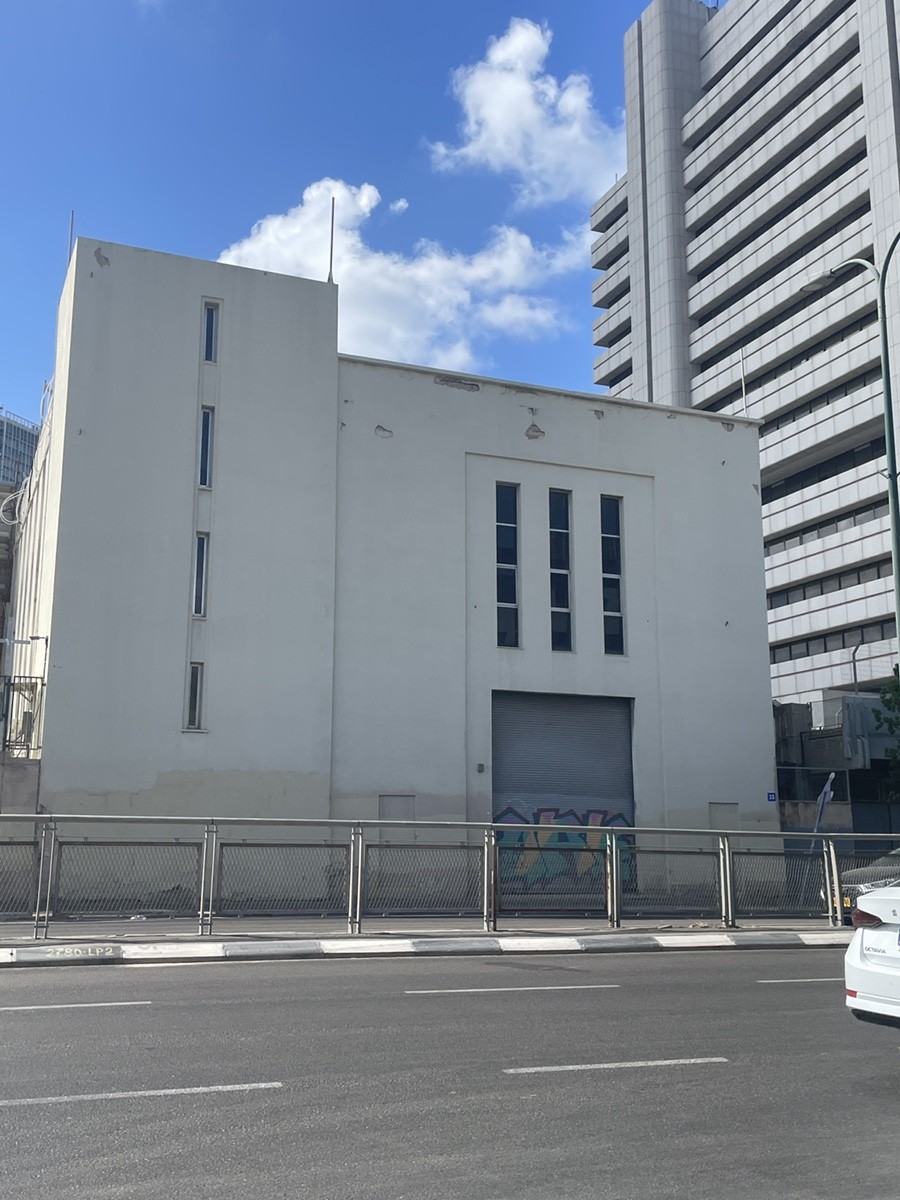
Decades passed. The land was sold, and in 1923, the first power station in Eretz Israel rose on this very site — a white-stone building with tall chimneys and narrow windows, where Tel Aviv’s first electric lights flickered to life. The new neighbourhood took its name from the Hebrew word for electricity — **Hashmal**. And here entered a man of a different scale: **Pinhas Rutenberg**. Born in Romny, Ukraine, educated in St. Petersburg, a revolutionary once linked to the murder of Father Gapon, later an engineer in Italy, his life pulsed like high voltage. In Italy, he befriended Jabotinsky and Weizmann, and when he came to Palestine, he already had a plan: to build a nation powered by water. He founded the **Palestine Electric Corporation**, bringing light to Tel Aviv and Haifa and building the hydroelectric station at Naharayim. People called him *Zaken HaHashmal* — “the old man of electricity.”
Stories surrounded his private life — whispers of a librarian, a son who became an engineer in the Soviet Union, even a descendant who joined the *Chelyuskin* Arctic expedition. Rutenberg never confirmed a thing, preferring to be remembered not as a man of secrets but as the one who gave the country light.
Today, the area looks completely different. The **Bat Sheva Tower** rises over the remnants of the Model Farm, surrounded by offices and cafés. Yet the white power-station building still stands, and the restored farmhouse hides between skyscrapers. The city has changed, but memory remains: here began the story of Tel Aviv’s first orange grove and missionary dream, here its first lights were lit, and here Rutenberg built his empire of electricity. Walk down HaHashmal Street today, and you can still feel history breathing beneath the asphalt.
You’ll walk through the very heart of old Tel Aviv — a neighbourhood where orange groves, missionary dreams, and the glow of early electricity all intertwined. The journey begins at the Model Farm and its iconic water tower, the birthplace of irrigation in Eretz Israel. From there, we’ll trace the footsteps of the Ishma’ilov family — Mashhadi *anusim* who built rental houses and inns for Persian merchants, yet lost much of their fortune under dramatic circumstances. We’ll pause in Gan HaHashmal, the city’s second public garden, which has witnessed the romance of the 1920s, decline, and the wave of 21st-century gentrification. The walk culminates at the grand Ohel Moed Synagogue — the “Tent of Meeting” — where eastern communities claimed their rightful place in the growing city. This is a journey through layers of time: from water to electricity, from merchant houses to gardens and synagogues — a story where every street guards a secret and every building speaks for its generation.