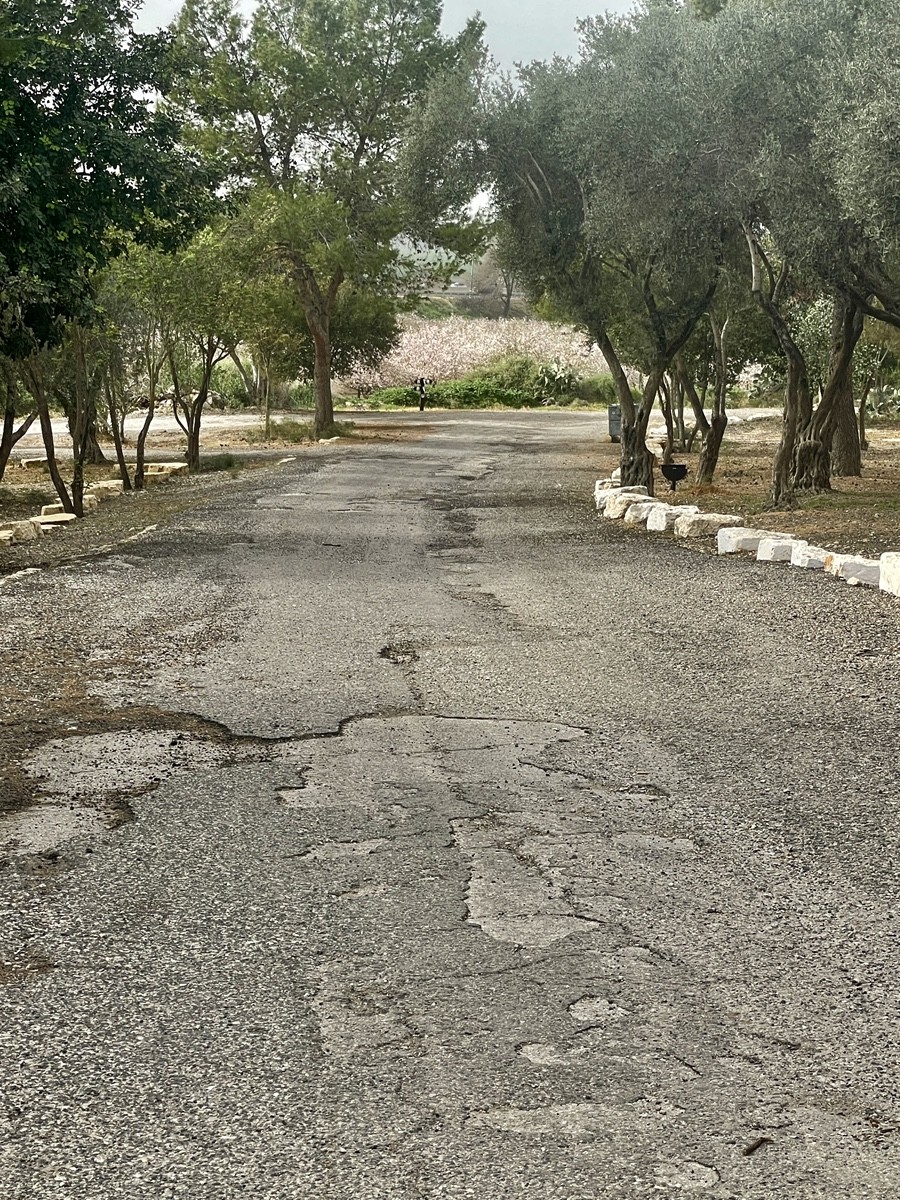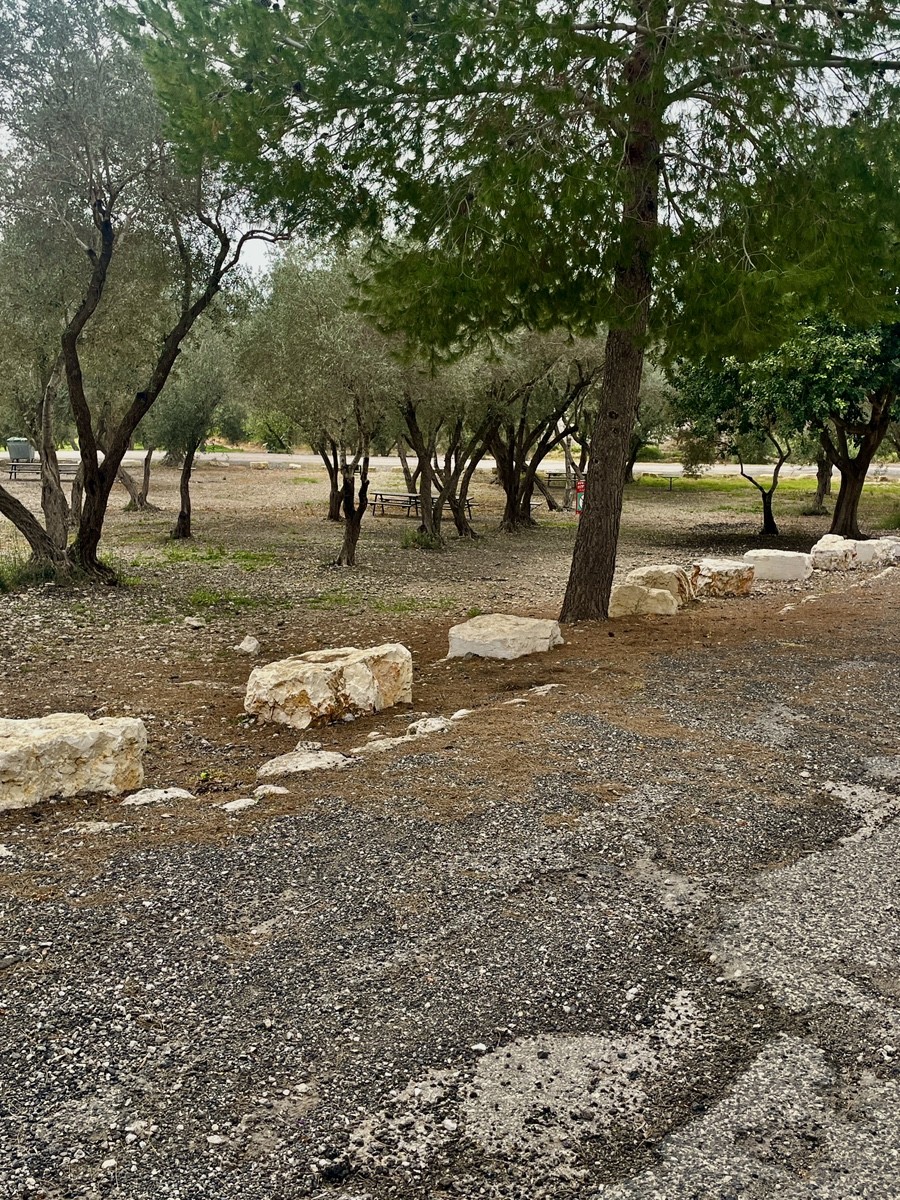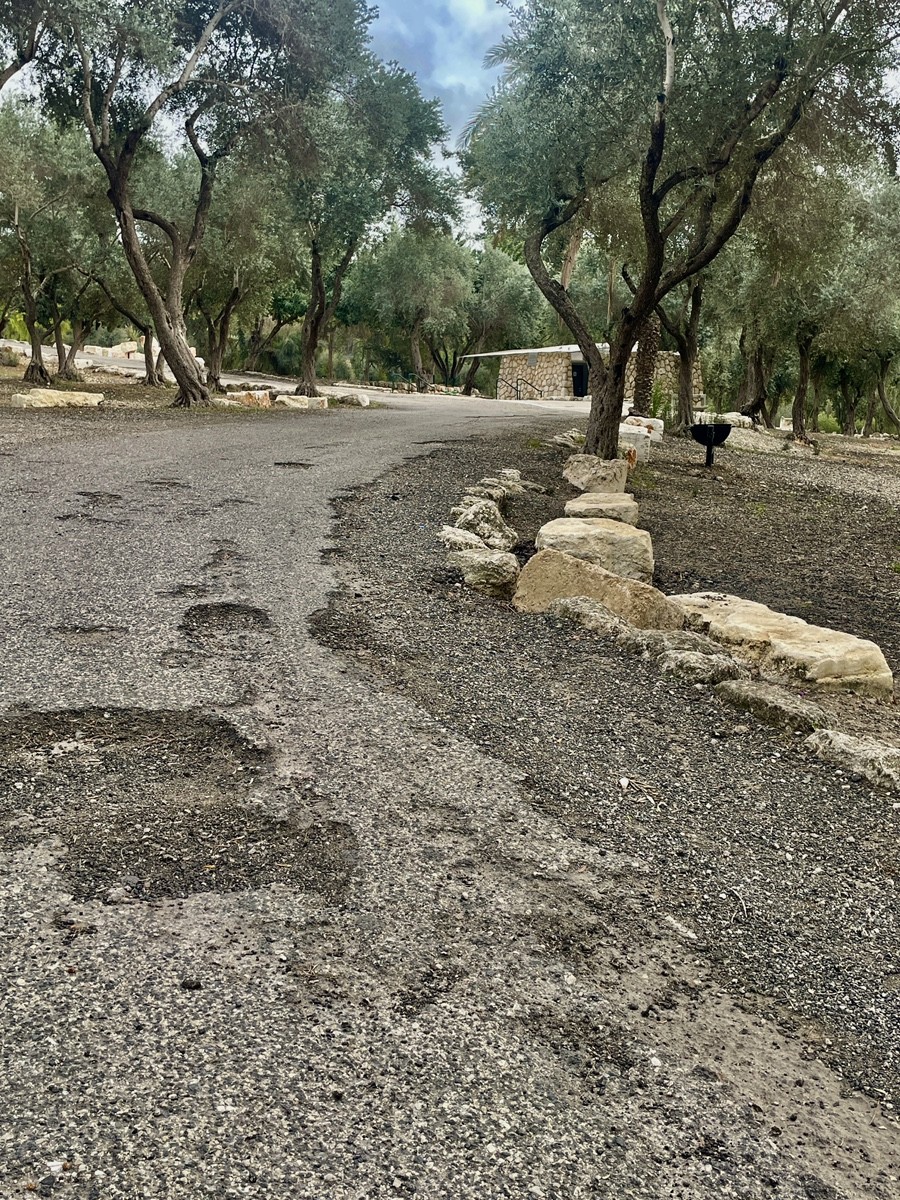

By 1948, Imwas, along with the neighbouring villages of Yalo and Beit Nuba, had become the cornerstone of the Latrun Salient. Its elevated position overlooking the main artery to Jerusalem allowed the Jordanian Arab Legion and local militias to impose a deadly blockade on thecity'ss Jewish residents. Despite repeated Israeli attempts to capture the area during operations Bin-Nun A and B, Imwas remained a Jordanian stronghold just hundreds of meters from the Green Line.
For the next 19 years, the village was viewed by Israel as a source of"strategic hostility." It served as a base for infiltrations and a constant military threat to Highway 1. During the 1967 Six-Day War, the IDF captured the village with minimal resistance as Jordanian forces retreated. However, the subsequent decision to completely demolish the village was driven by a military imperative: to prevent any return of residents and to permanently secure the narrow transit corridor to Jerusalem, ensuring the"strategic thor" was removed once and for all.
The journey begins in the almond blossoms of Sha'alvim, a landscape rooted in the biblical territory of the Tribe of Dan. The route advances through the strategic Latrun salient to Emmaus-Nicopolis, where Byzantine ruins mark the site of the Resurrection—land preserved through the spiritual visions of Mariam Baouardi and the patronage of Countess Beatrice de Saint-Cricq.
The path culminates at the abandoned Sorek Station, a limestone relic of the Ottoman Empire. Inside, time stands still among concrete staircases and iron veterans: a freight car and a yellow-marked shunting locomotive from the 1990s. A modest monument to Egyptian labourers honours the unsung builders of the WWI era. Today, the silence of these rusted tracks is only broken by the whistle of modern trains, bridging the gap between ancient faith and imperial ruins.