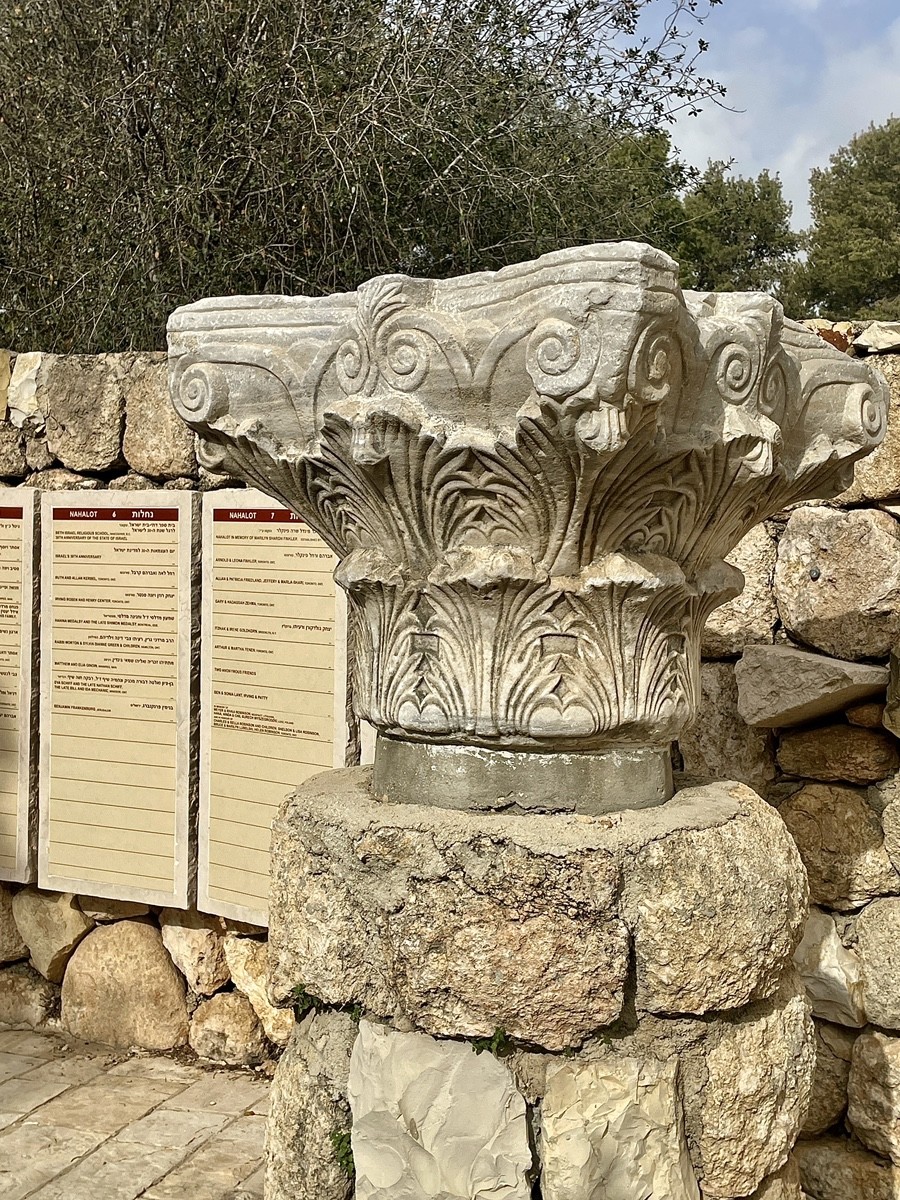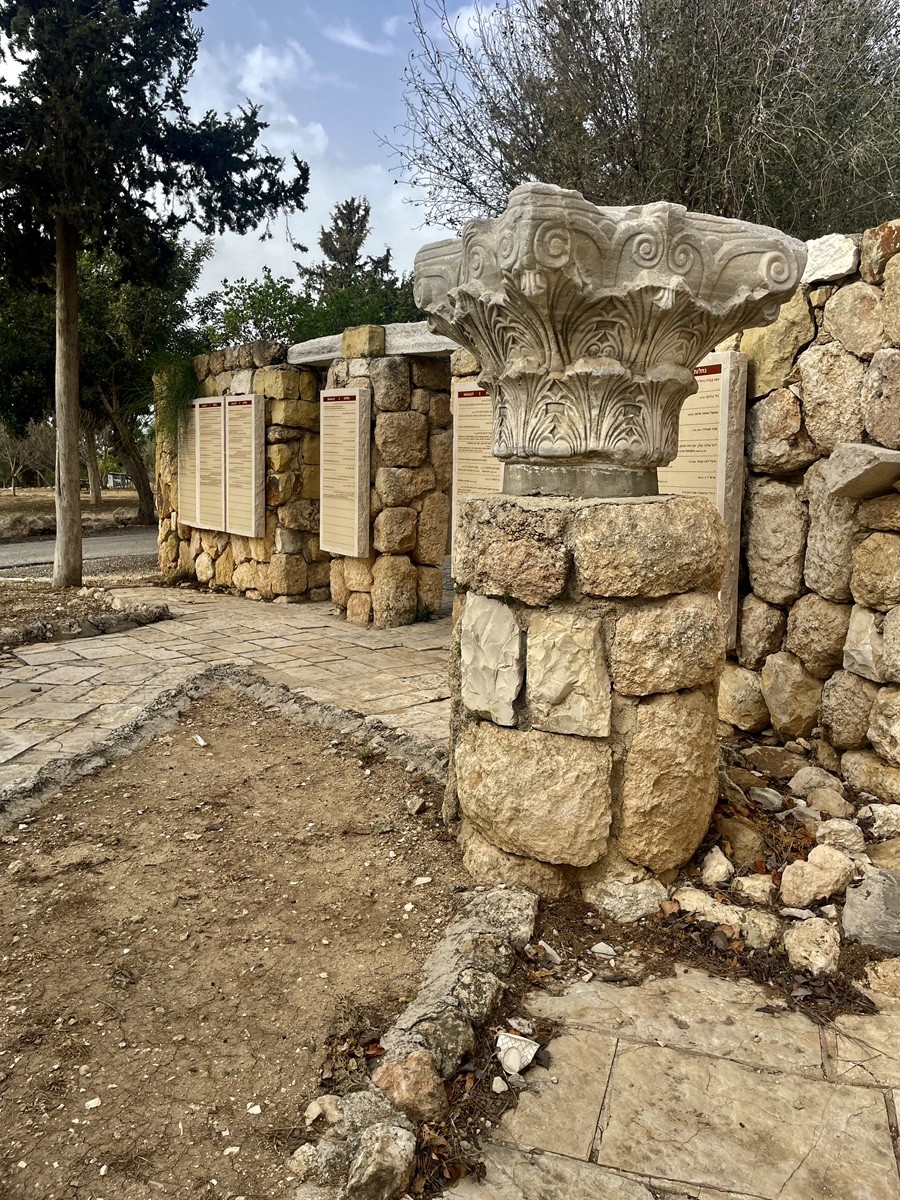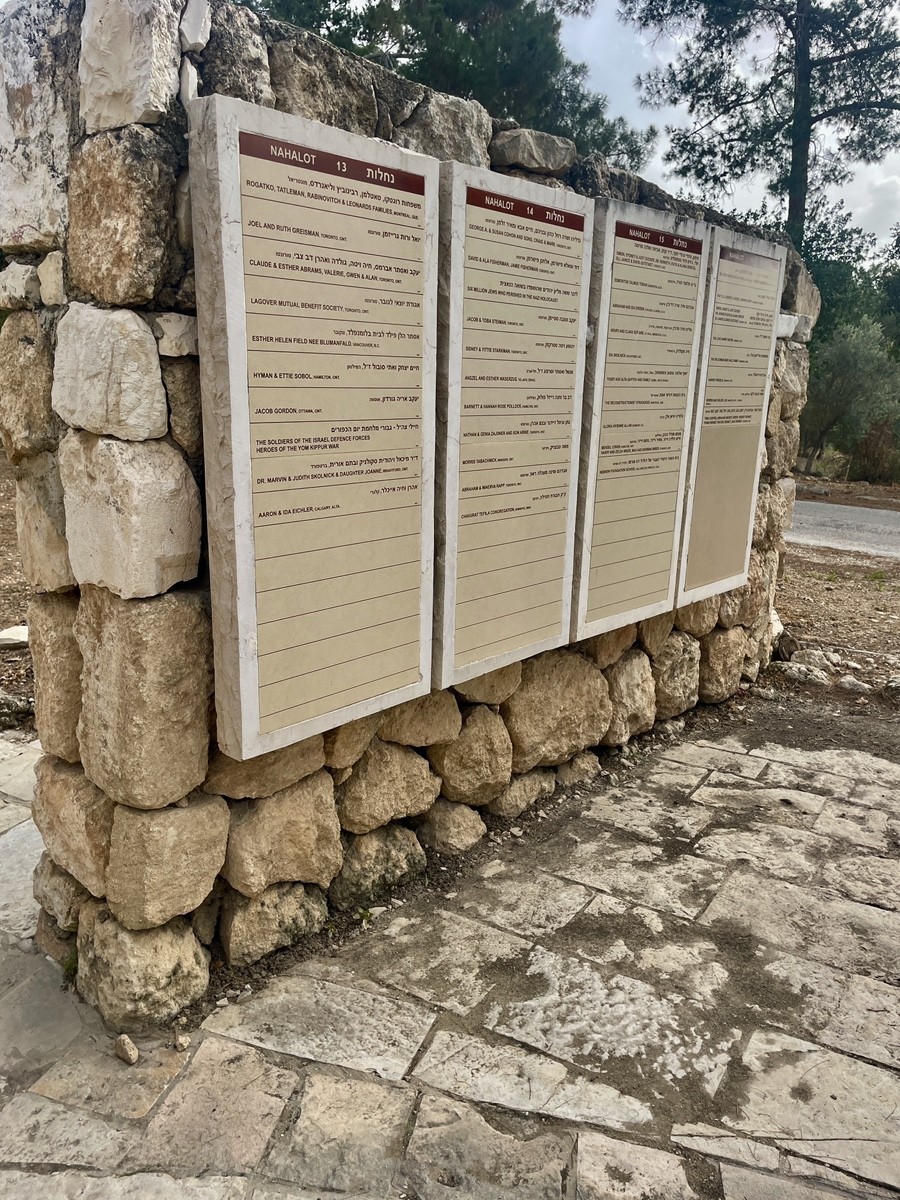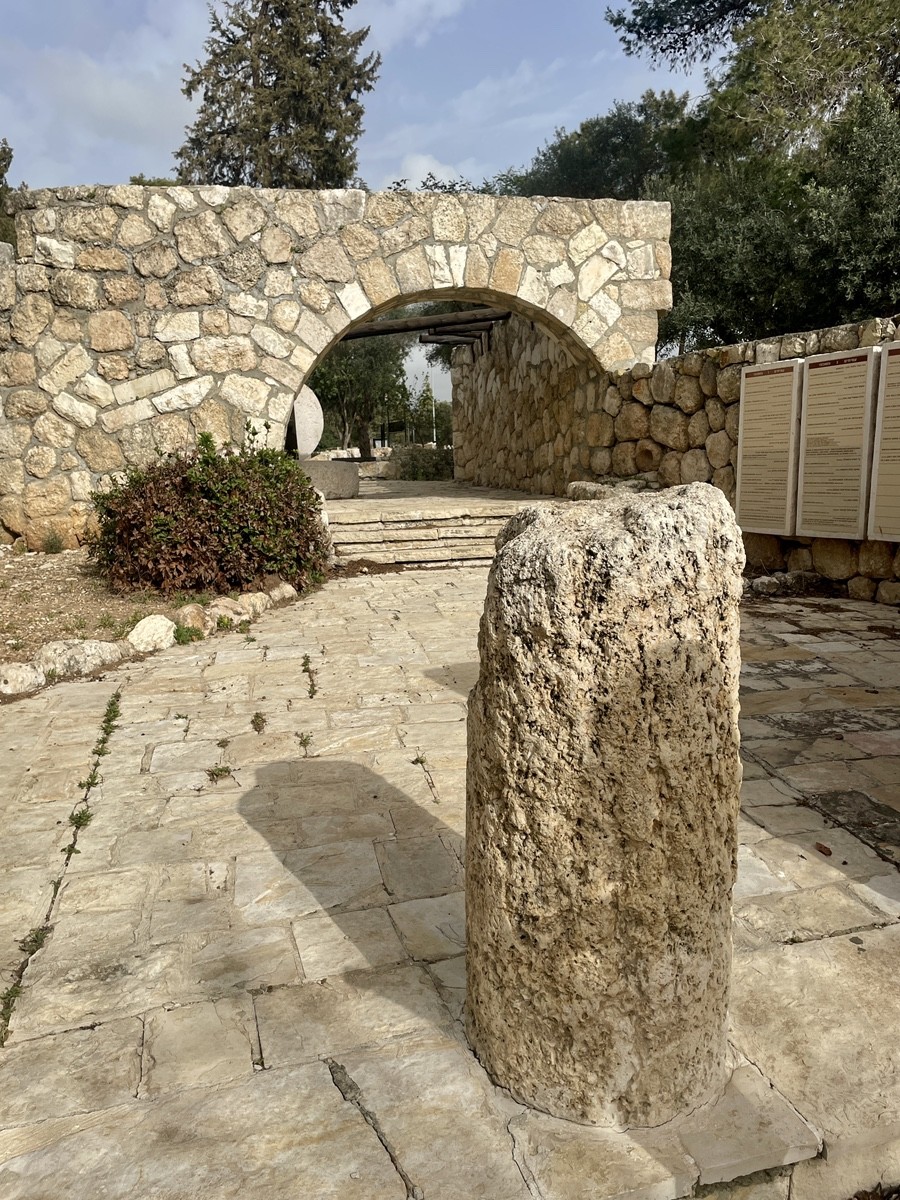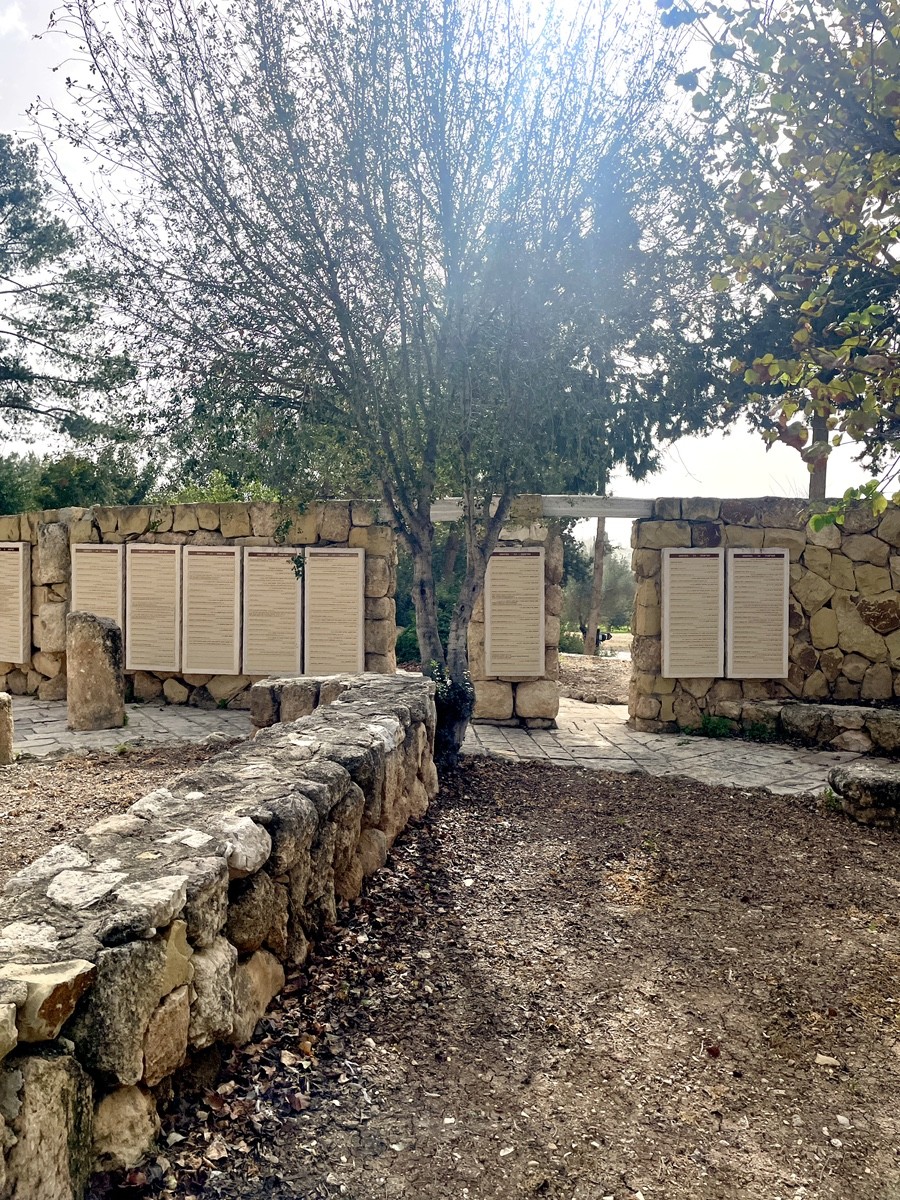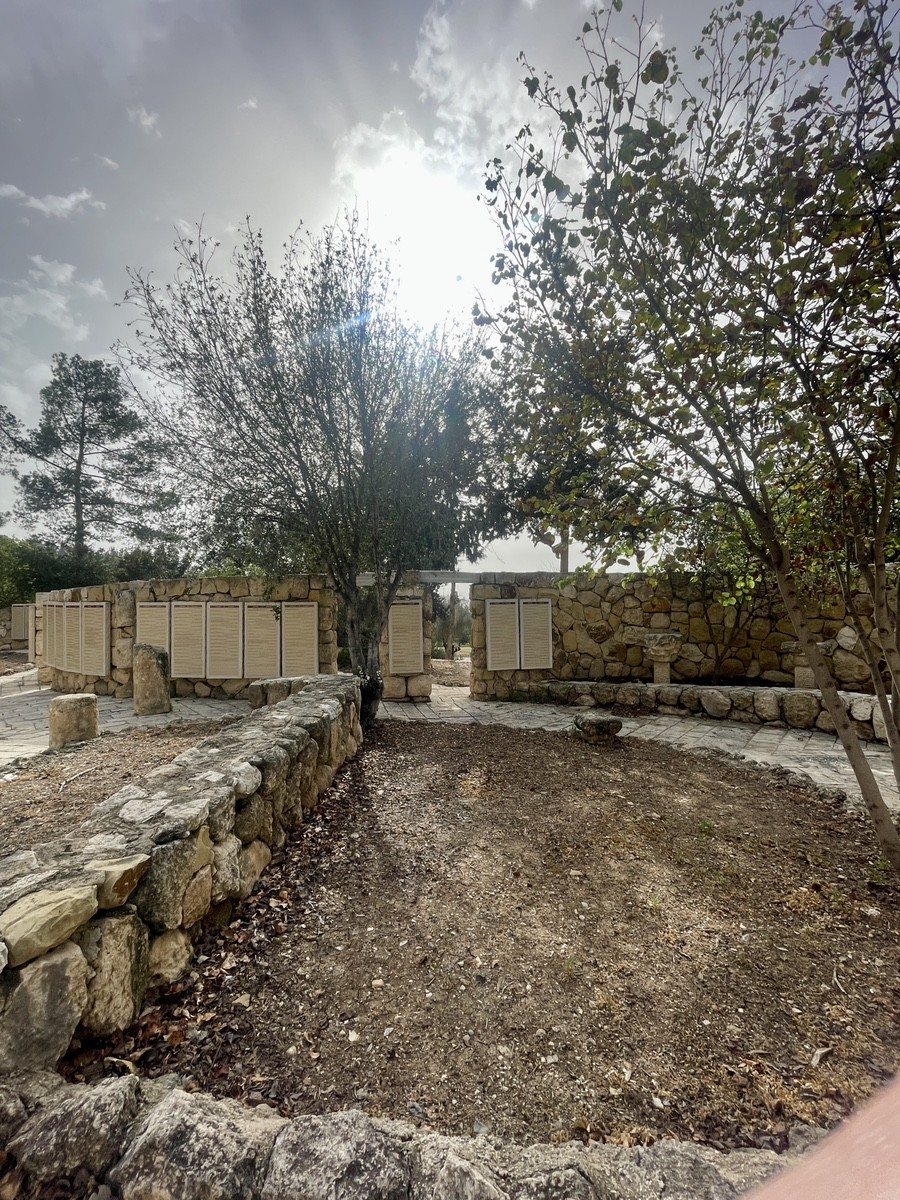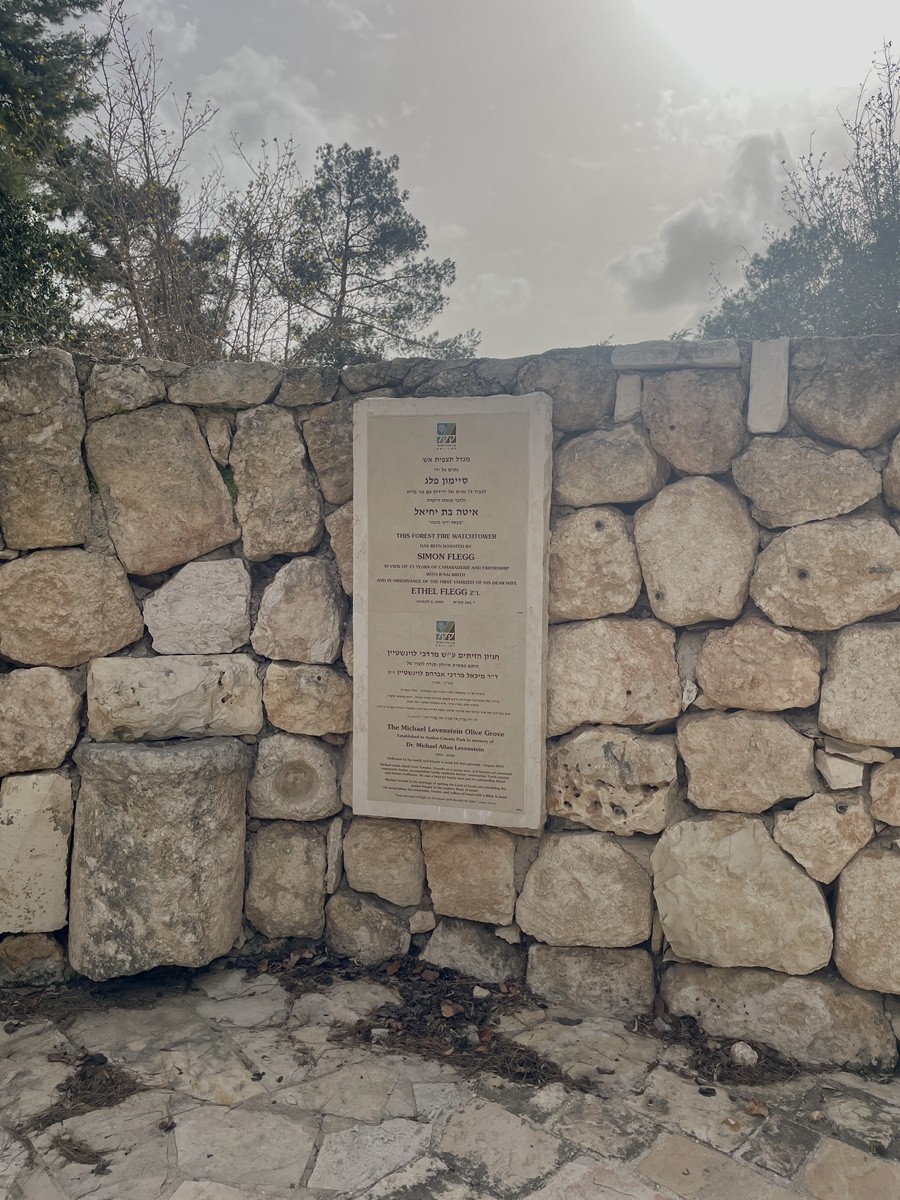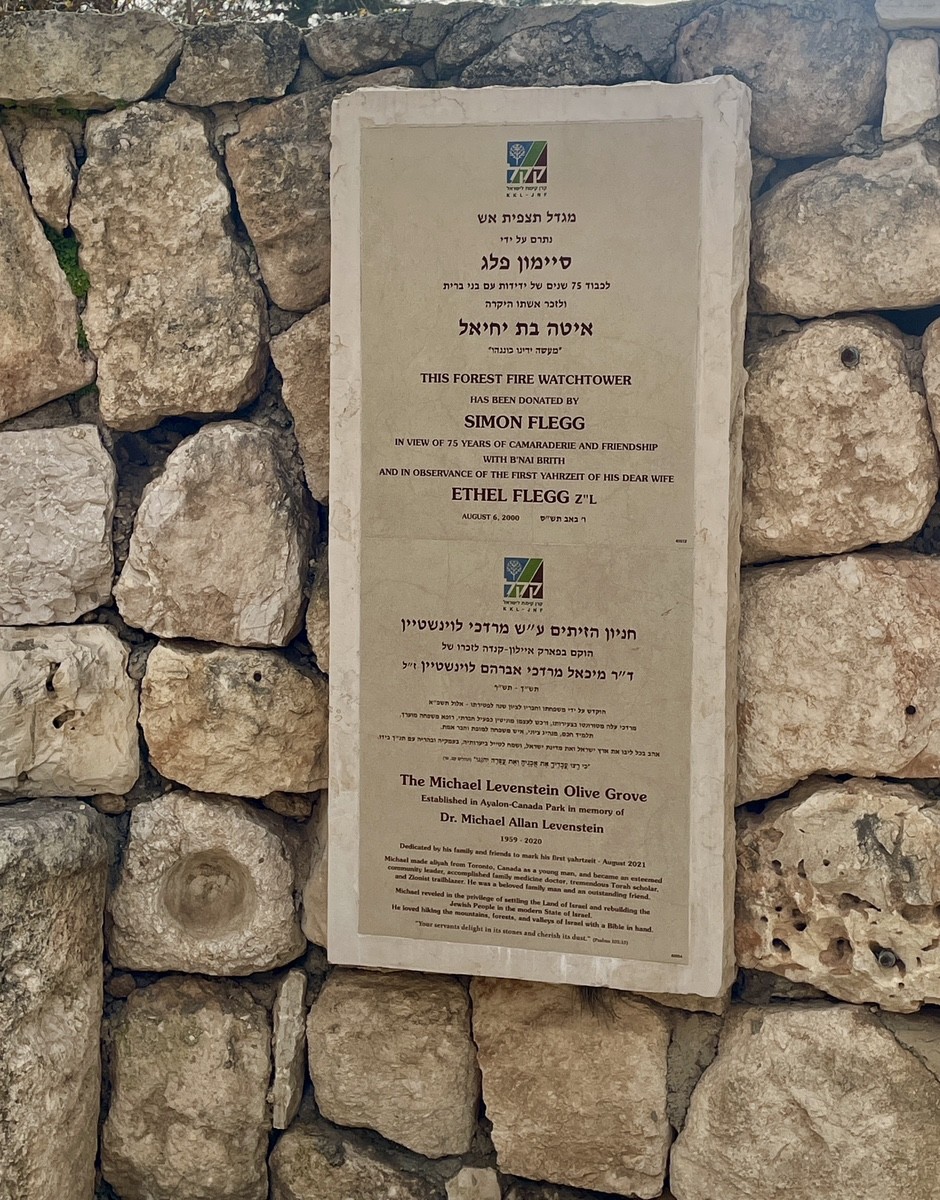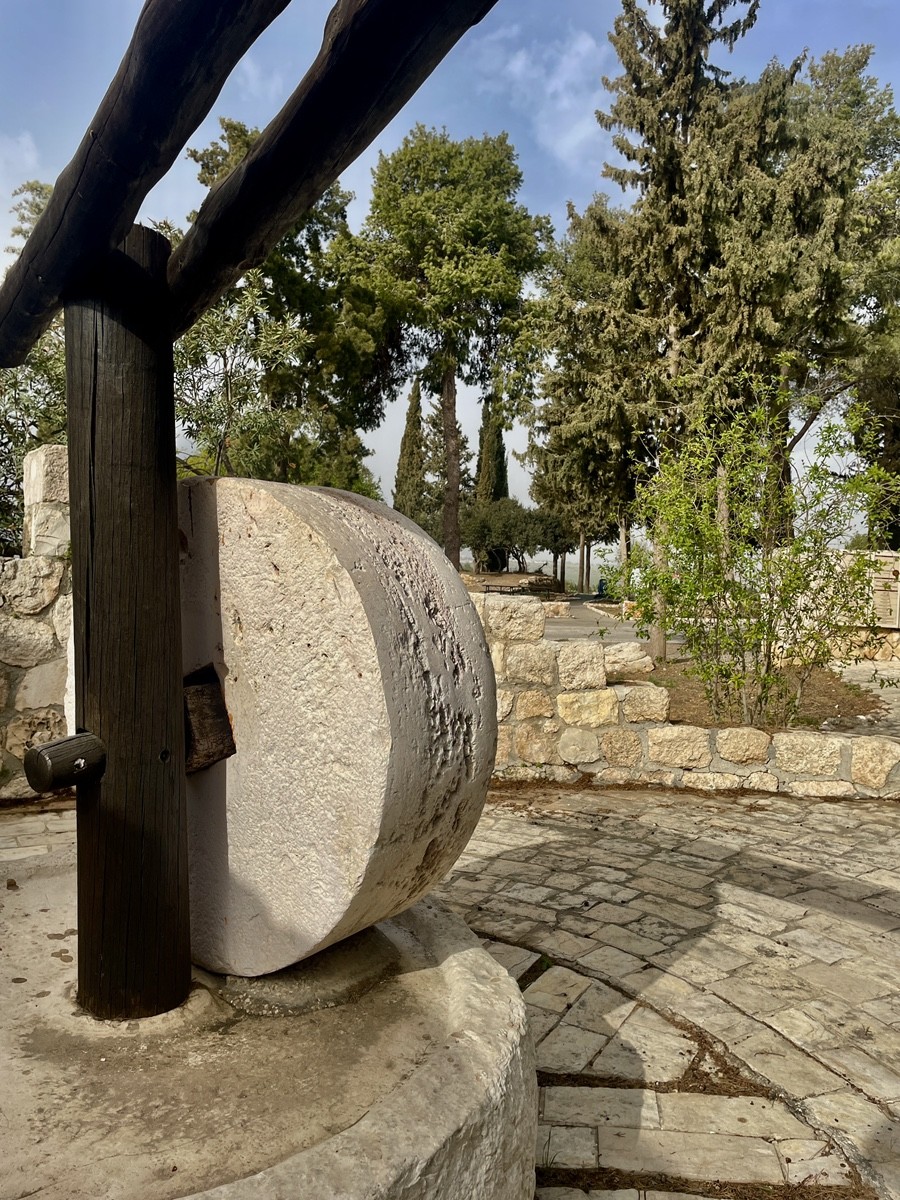

Established in the early 1970s by the Jewish National Fund (KKL) with funding from the Canadian Jewish community, Canada Park was designed to provide a recreational space while strategically securing the Latrun Salient. By replacing the ruins of Imwas, Yalo, and Beit Nuba with forests, the project aimed to prevent the re-establishment of Arab settlements along the vital road to Jerusalem.
This transformation remains deeply controversial, with critics arguing that the forest serves to "veil" the history of the displaced villages. The tension escalated in May 2025, when massive forest fires—classified by authorities as nationalistic arson—devastated dozens of hectares during Independence Day. These acts are viewed as a "struggle for the landscape," an attempt to strip away the symbolic Israeli forest to reveal the underlying ruins. In response, 2026 has seen a surge in security measures, including drone surveillance and cameras, to protect this fragile synthesis of nature and geopolitics.
The journey begins in the almond blossoms of Sha'alvim, a landscape rooted in the biblical territory of the Tribe of Dan. The route advances through the strategic Latrun salient to Emmaus-Nicopolis, where Byzantine ruins mark the site of the Resurrection—land preserved through the spiritual visions of Mariam Baouardi and the patronage of Countess Beatrice de Saint-Cricq.
The path culminates at the abandoned Sorek Station, a limestone relic of the Ottoman Empire. Inside, time stands still among concrete staircases and iron veterans: a freight car and a yellow-marked shunting locomotive from the 1990s. A modest monument to Egyptian labourers honours the unsung builders of the WWI era. Today, the silence of these rusted tracks is only broken by the whistle of modern trains, bridging the gap between ancient faith and imperial ruins.