
From the 16th century, the village of Imwas (ancient Emmaus) functioned as a typical fellahin settlement within the Ottoman District of Ramla. According to the 1596 Defters (tax registers), the village supported 45 Muslim families through the cultivation of wheat, barley, and fruit. By the mid-1800s, the population had risen to 1,000, and the village became a site of early archaeological interest when Carmelite nuns purchased the Byzantine ruins in 1878.
The 20th century brought rapid geopolitical shifts. In late 1917, Imwas became a battlefield between the British Egyptian Expeditionary Force and the Ottoman 7th and 8th Armies. Under the British Mandate, its strategic location on the Jaffa-Jerusalem road spurred growth; census records show a population increase from 824 in 1922 to over 1,000 by 1931. By the end of the Mandate, the village’s transition from a quiet agrarian community to a key enclave in the Latrun salient set the stage for its pivotal role in the 1948 conflict.
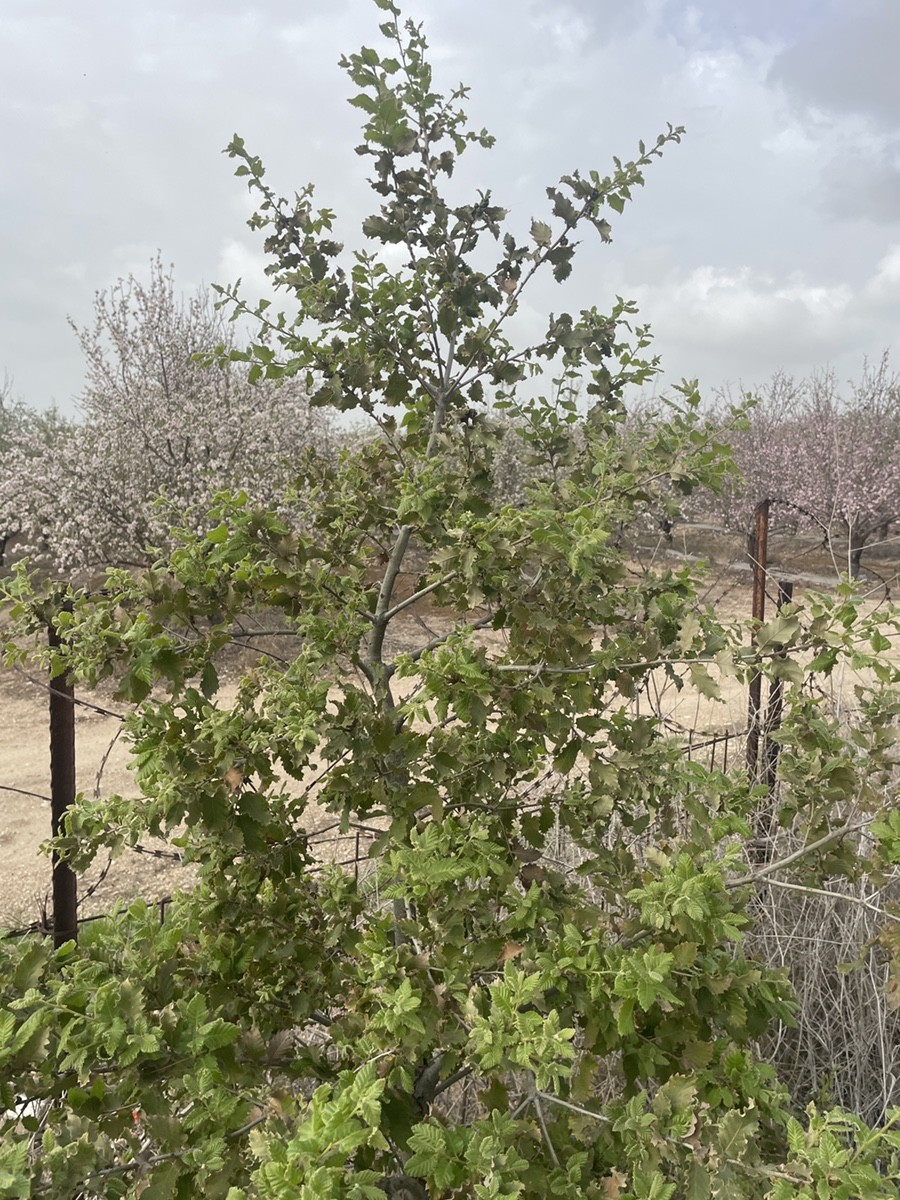
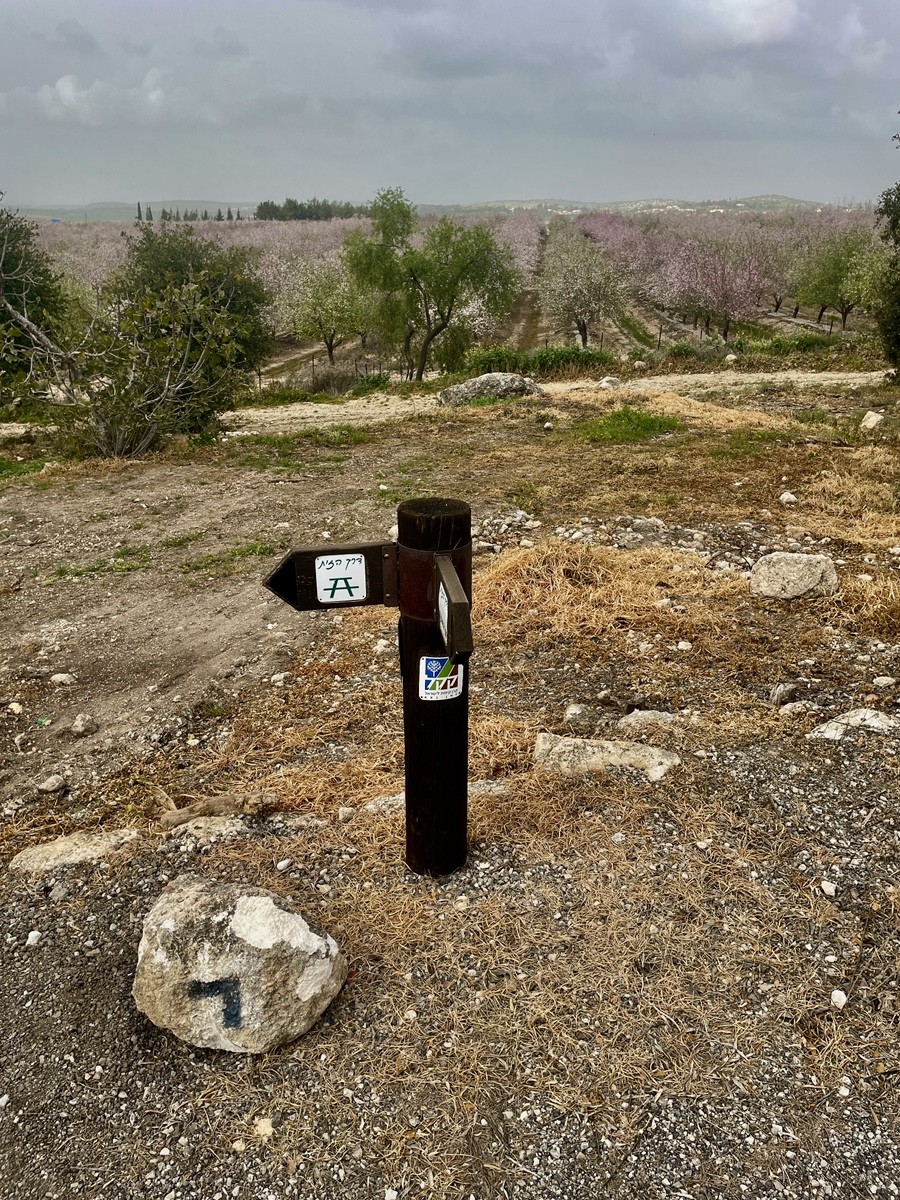
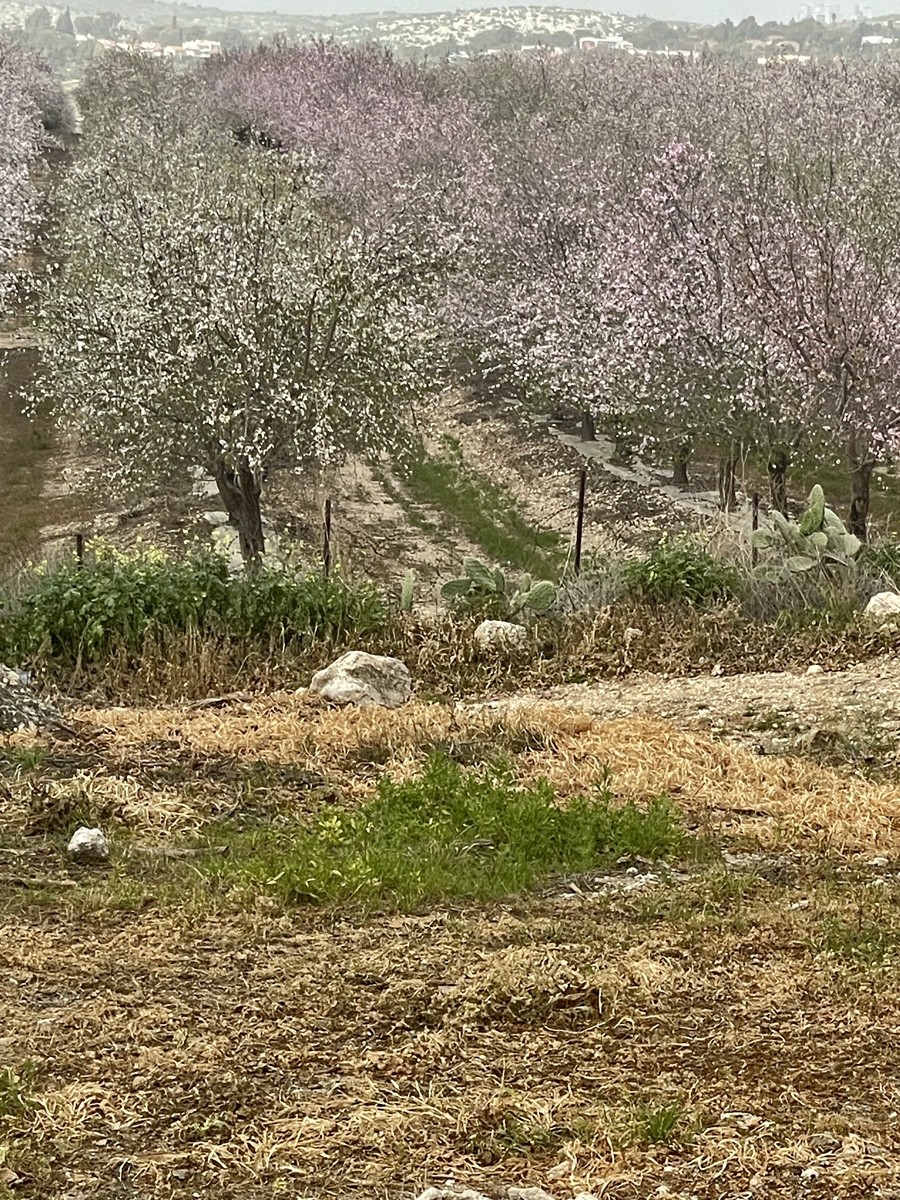
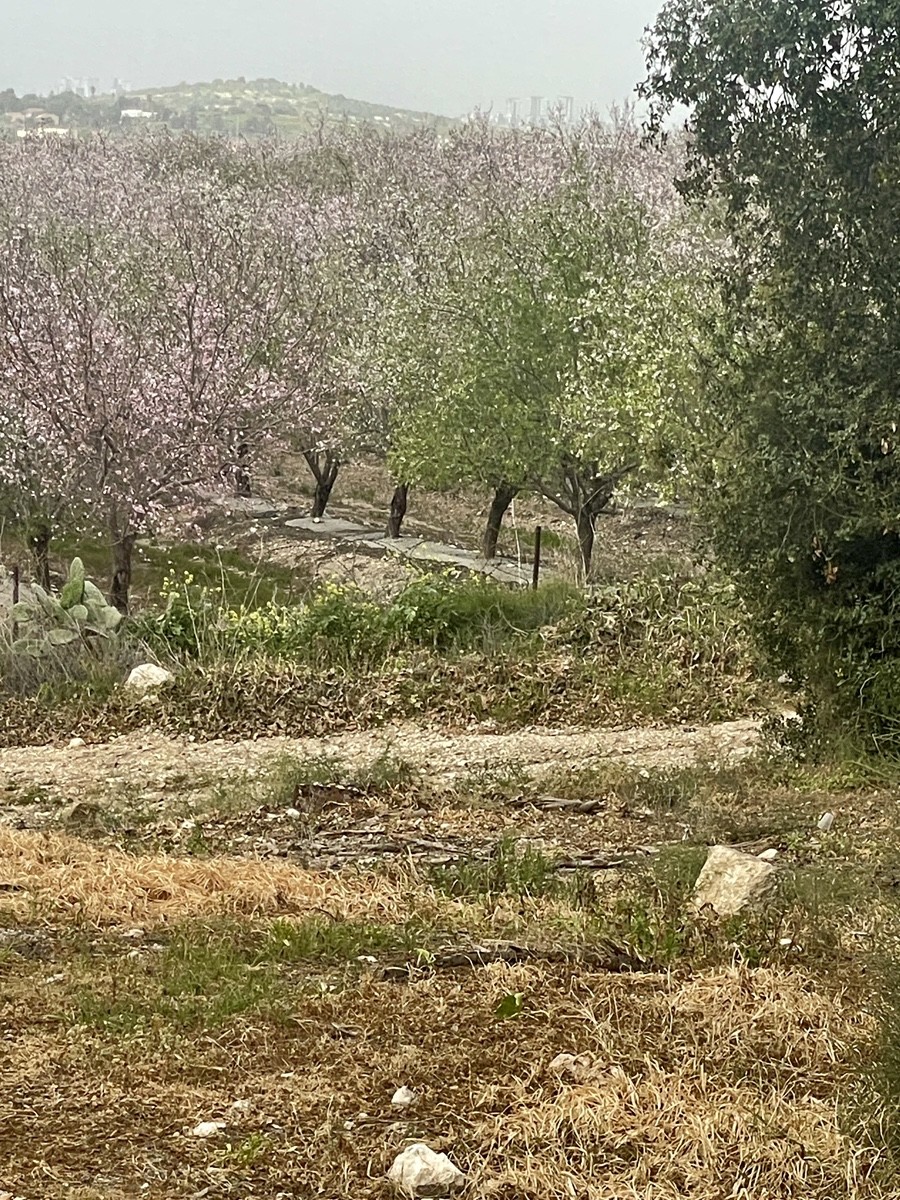
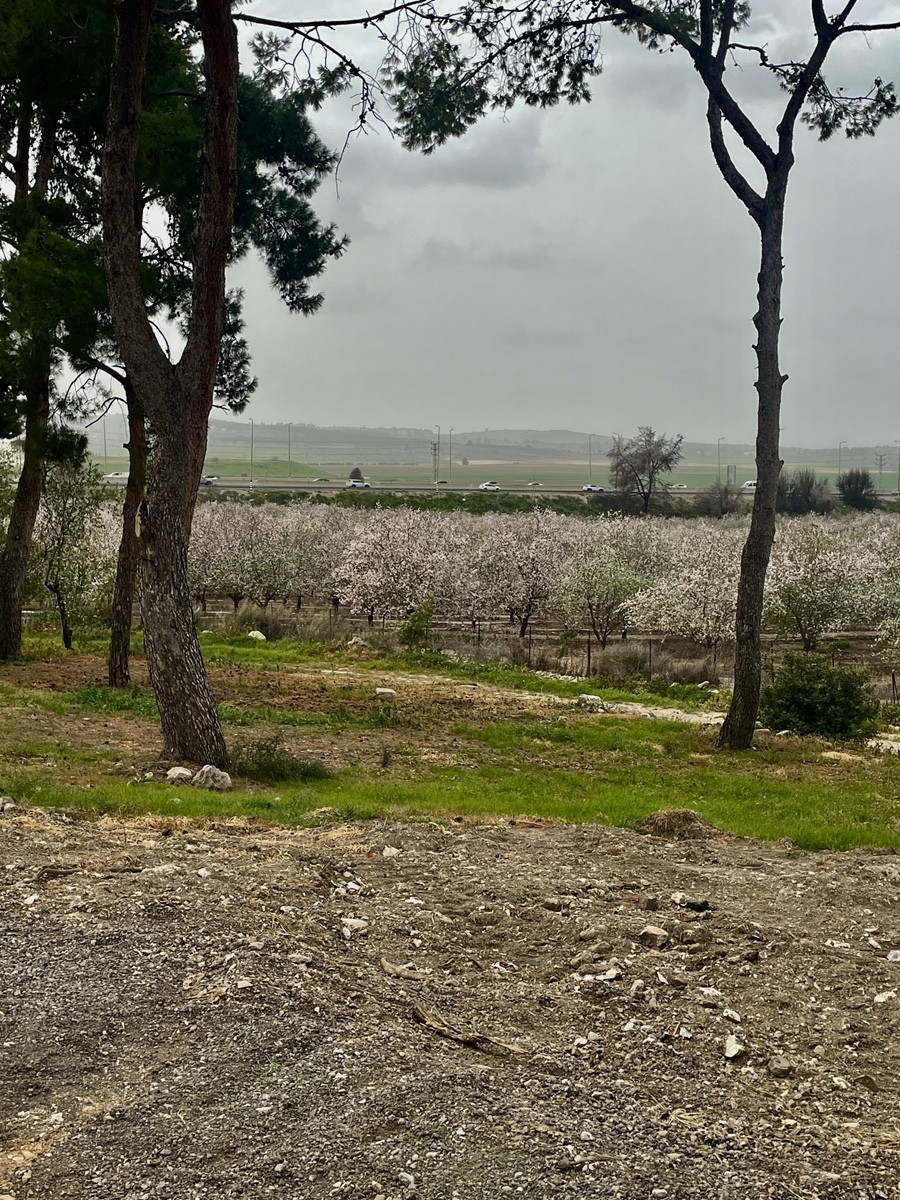
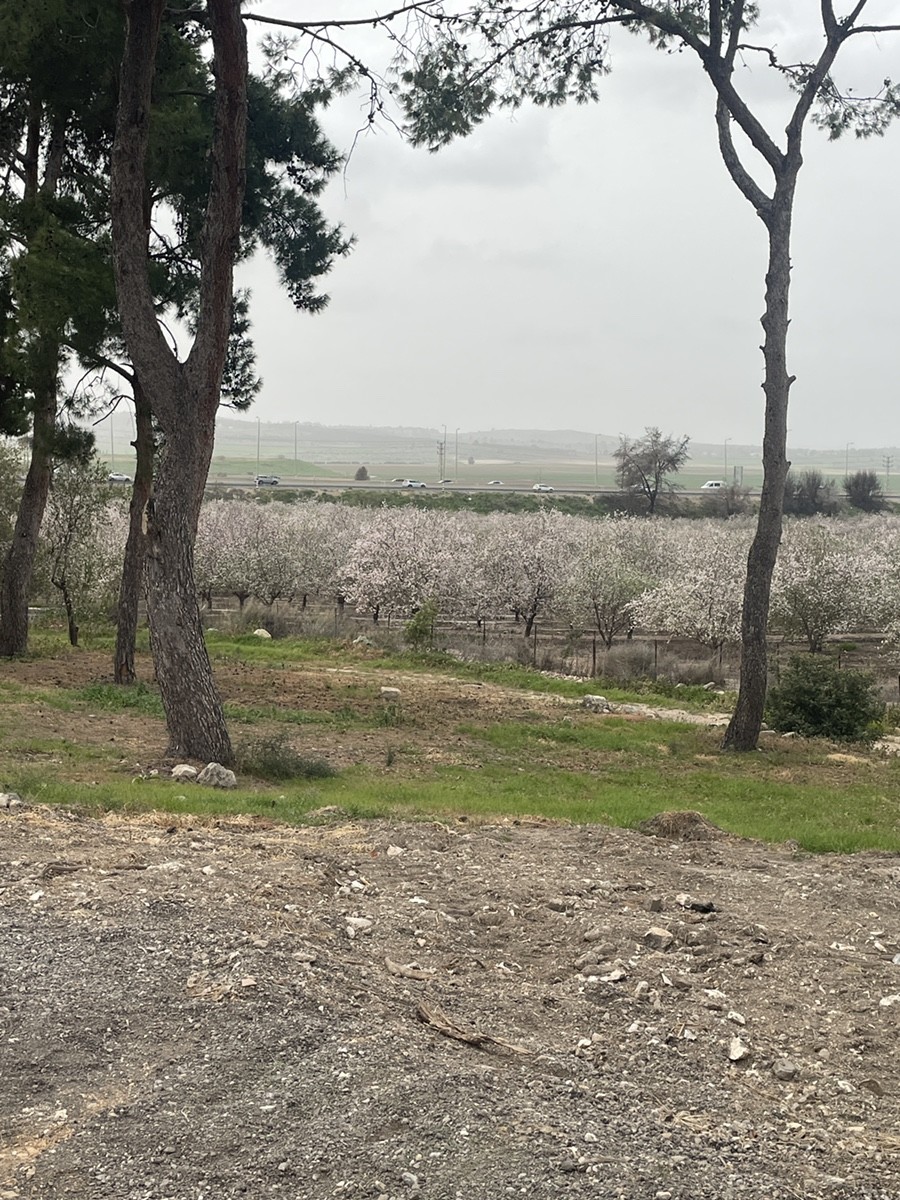
The journey begins in the almond blossoms of Sha'alvim, a landscape rooted in the biblical territory of the Tribe of Dan. The route advances through the strategic Latrun salient to Emmaus-Nicopolis, where Byzantine ruins mark the site of the Resurrection—land preserved through the spiritual visions of Mariam Baouardi and the patronage of Countess Beatrice de Saint-Cricq.
The path culminates at the abandoned Sorek Station, a limestone relic of the Ottoman Empire. Inside, time stands still among concrete staircases and iron veterans: a freight car and a yellow-marked shunting locomotive from the 1990s. A modest monument to Egyptian labourers honours the unsung builders of the WWI era. Today, the silence of these rusted tracks is only broken by the whistle of modern trains, bridging the gap between ancient faith and imperial ruins.