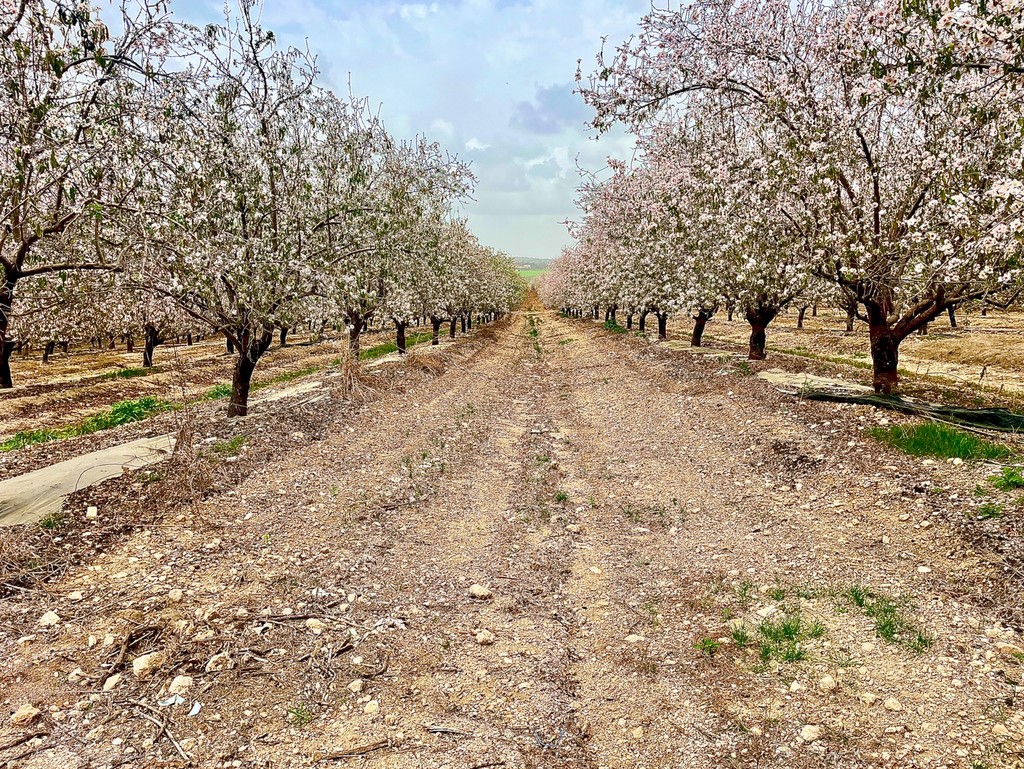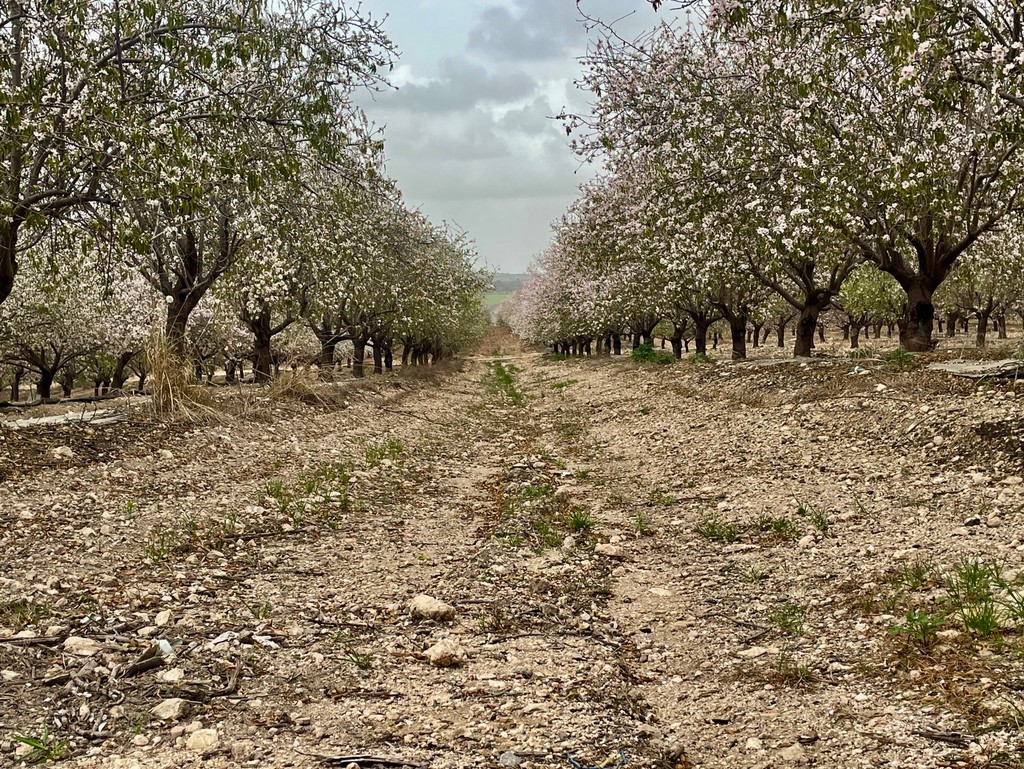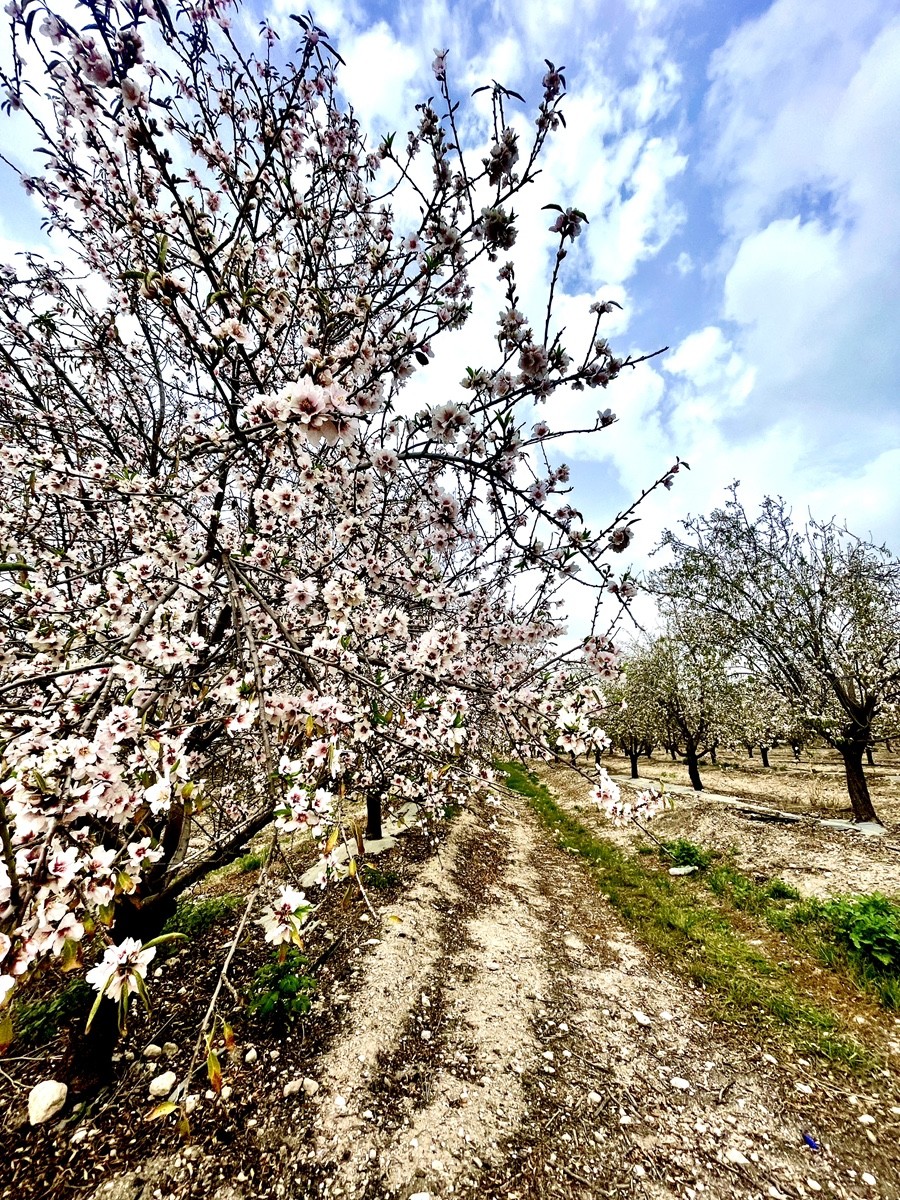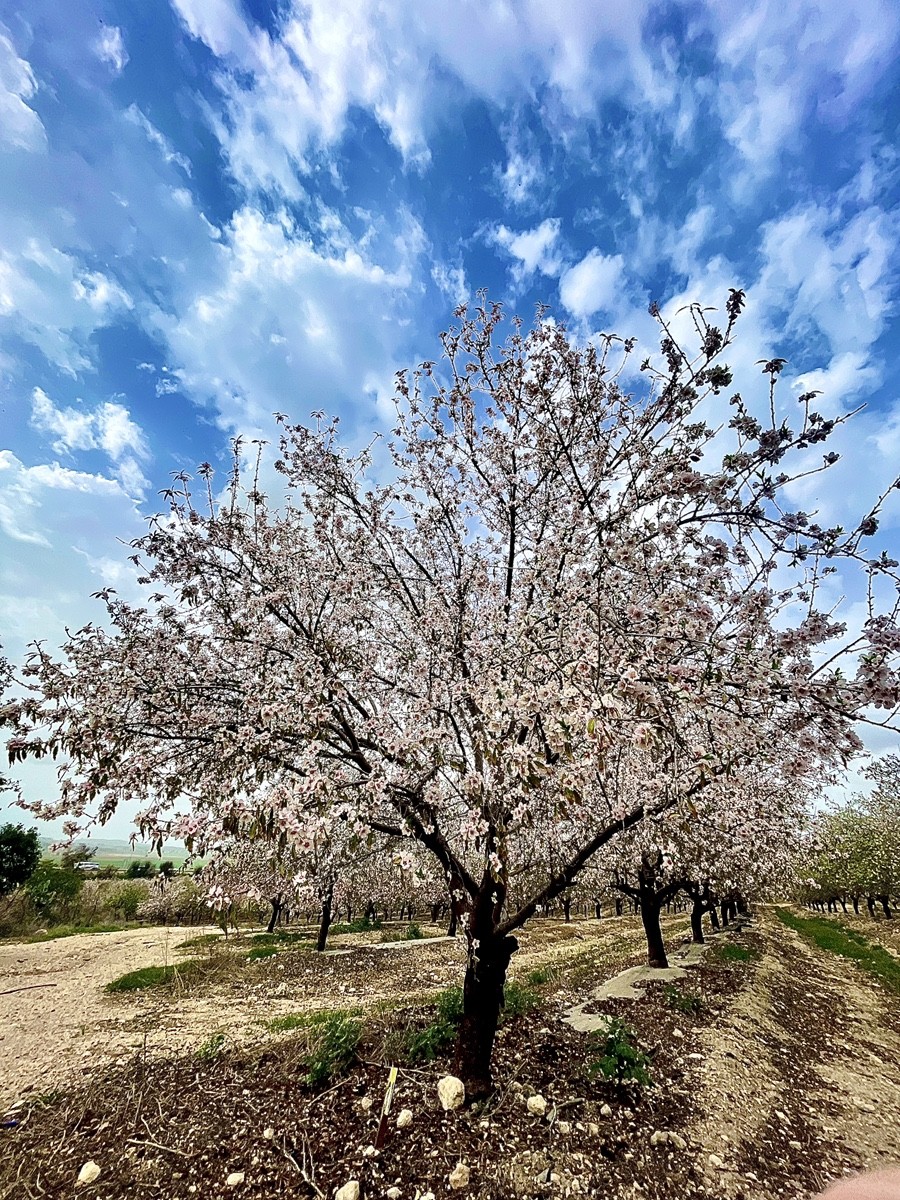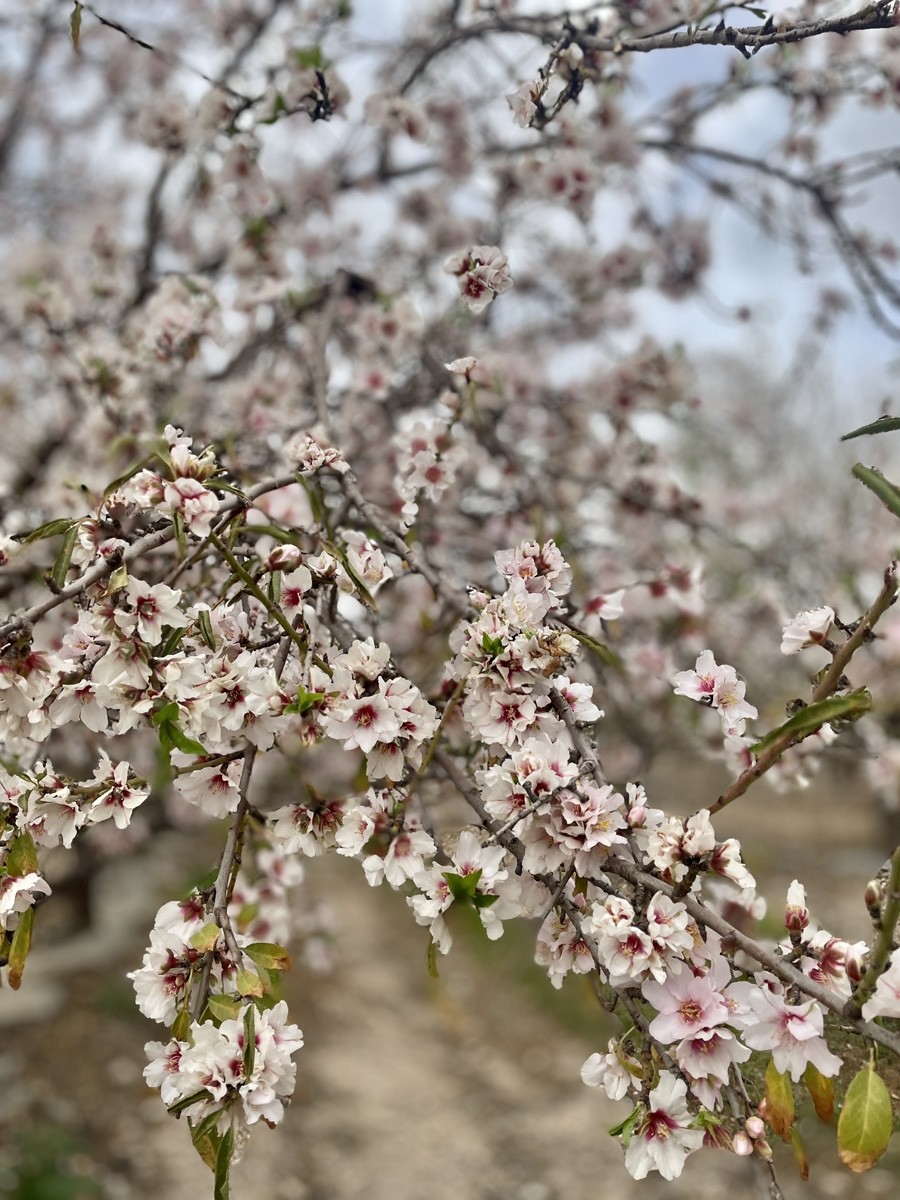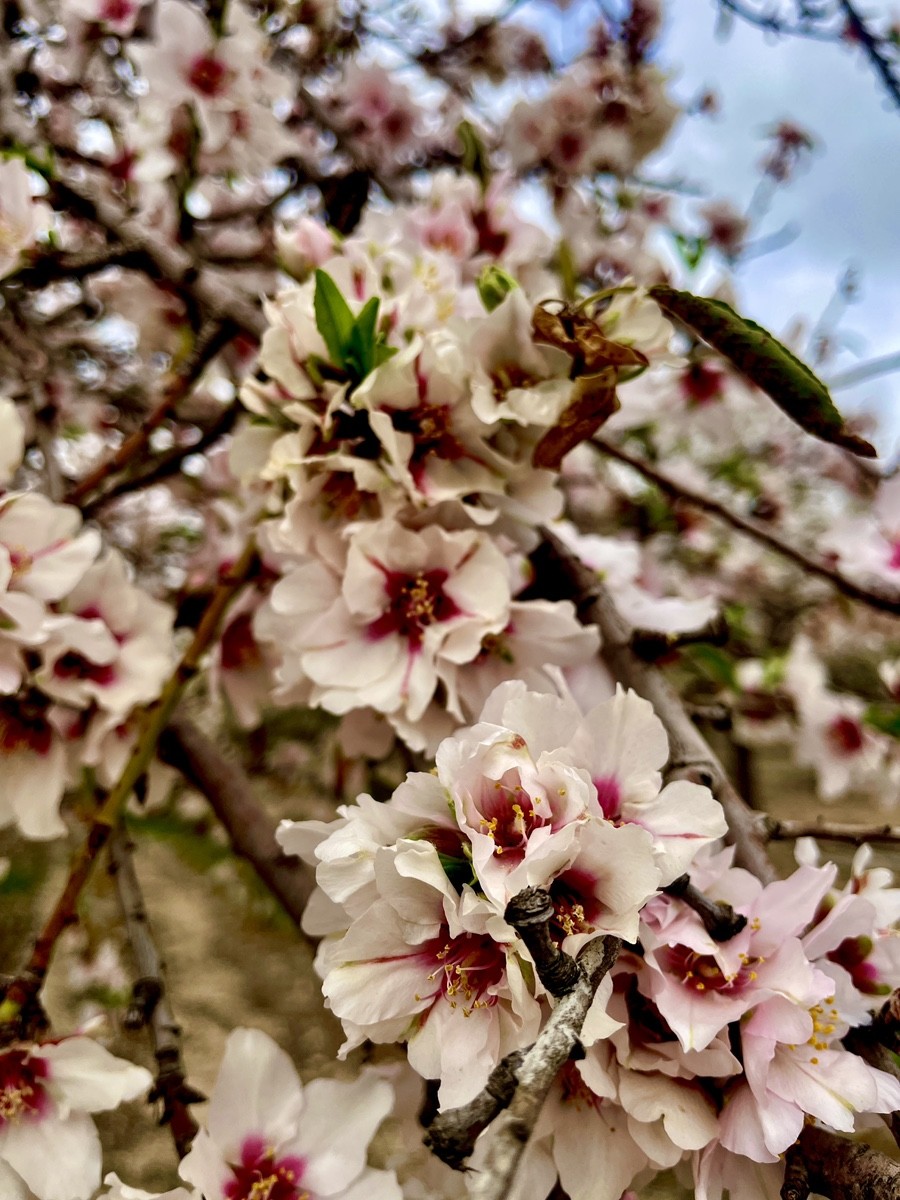

The Ayalon Valley provides the ideal climate and soil for Kibbutz Sha'alvim to maintain its primary agricultural landmark: vast almond orchards. While the kibbutz also cultivates wheat, cotton, and grapes, the almonds serve as its seasonal "calling card."
In late January and February, the hills of Latrun and Sha'alvim draw crowds of tourists and photographers to witness the landscape transformed by white and pink blossoms. These orchards often feature the "Matan" variety—a self-pollinating strain developed by Israel's Volcani Institute specifically to optimise yields in the local Mediterranean climate. This fusion of high-tech agronomy and natural beauty has turned the former frontier into a premier destination for winter blooming.
The journey begins in the almond blossoms of Sha'alvim, a landscape rooted in the biblical territory of the Tribe of Dan. The route advances through the strategic Latrun salient to Emmaus-Nicopolis, where Byzantine ruins mark the site of the Resurrection—land preserved through the spiritual visions of Mariam Baouardi and the patronage of Countess Beatrice de Saint-Cricq.
The path culminates at the abandoned Sorek Station, a limestone relic of the Ottoman Empire. Inside, time stands still among concrete staircases and iron veterans: a freight car and a yellow-marked shunting locomotive from the 1990s. A modest monument to Egyptian labourers honours the unsung builders of the WWI era. Today, the silence of these rusted tracks is only broken by the whistle of modern trains, bridging the gap between ancient faith and imperial ruins.