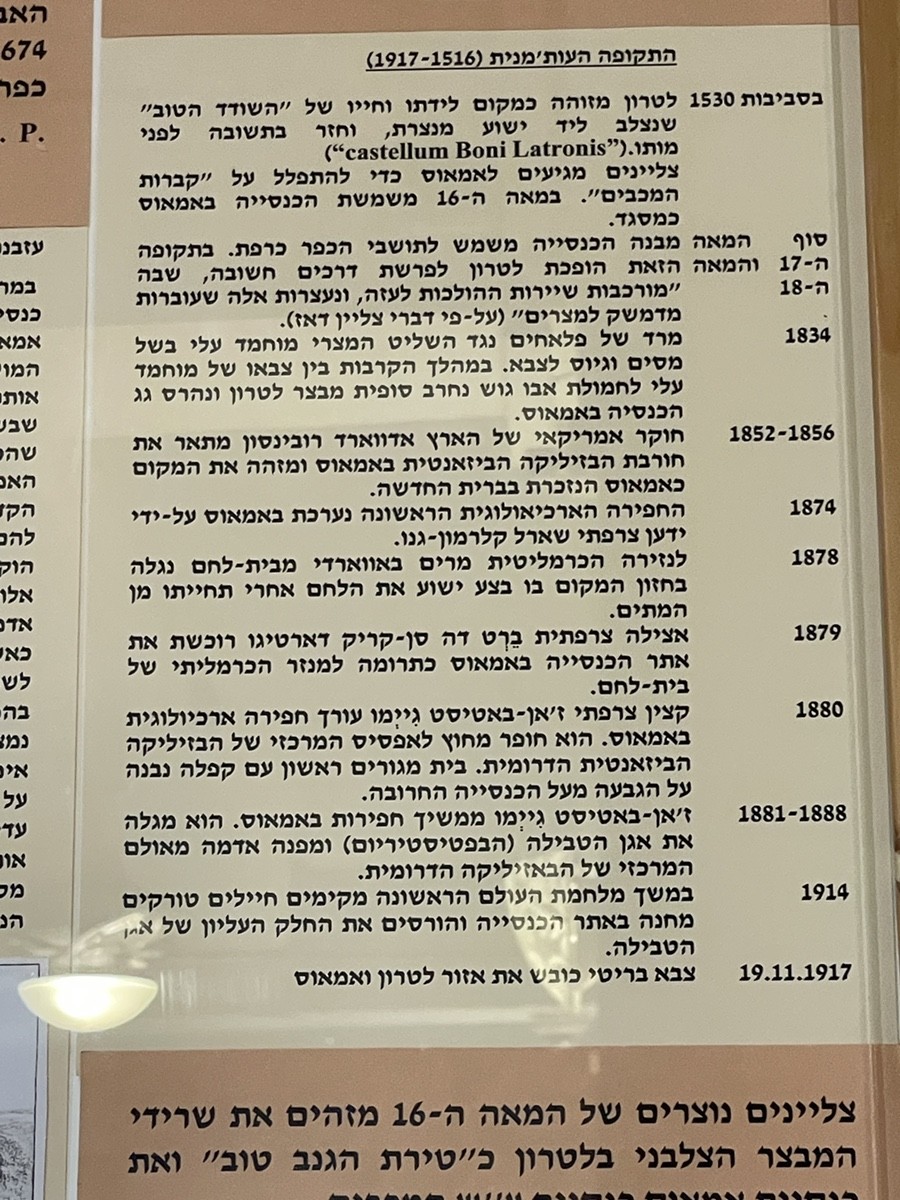

The restoration of Emmaus-Nicopolis is the unlikely result of a 19th-century romantic tragedy. In 1828, a young Franz Liszt fell in love with his pupil, Caroline de Saint-Cricq, but her father—a French minister—forbade the union due to Liszt's lower social status. This heartbreak eventually led Caroline's daughter, Bertha de Saint-Cricq, to Pau, where she encountered Mariam Baouardi, a Palestinian Carmelite nun with a miraculous past.
In 1878, guided by Mariam's visions of the "true" biblical Emmaus at Imwas, Bertha dedicated her family's massive fortune to purchasing the land. After Mariam's untimely death, Bertha sold her French estates, moved to Jerusalem, and funded the first scientific excavations under Captain Joseph-Bernard Guillemot, which revealed the Byzantine basilica. Today, the names of Liszt, the saintly Mariam, and the devoted Countess Bertha converge at this single point in the Ayalon Valley, where Bertha remains buried among the stones she sacrificed her inheritance to save.
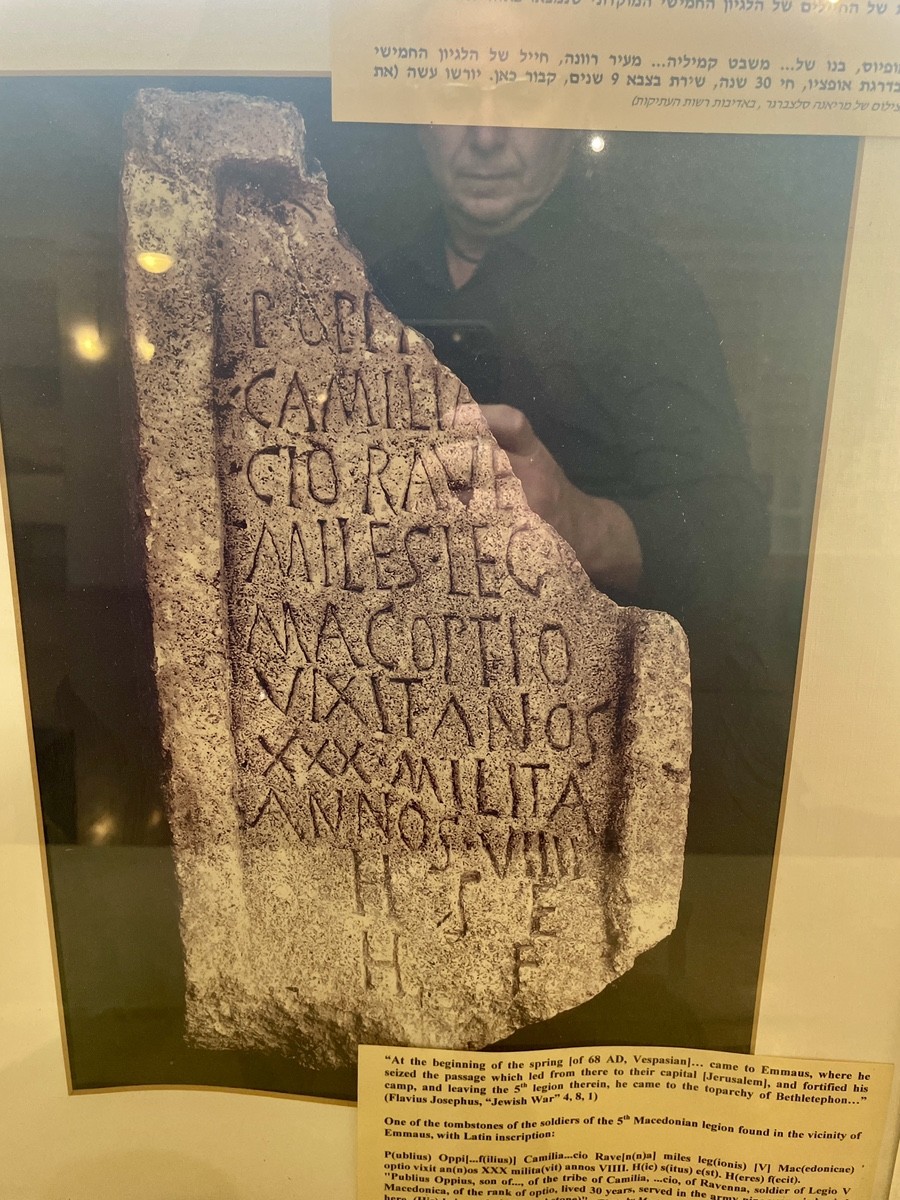
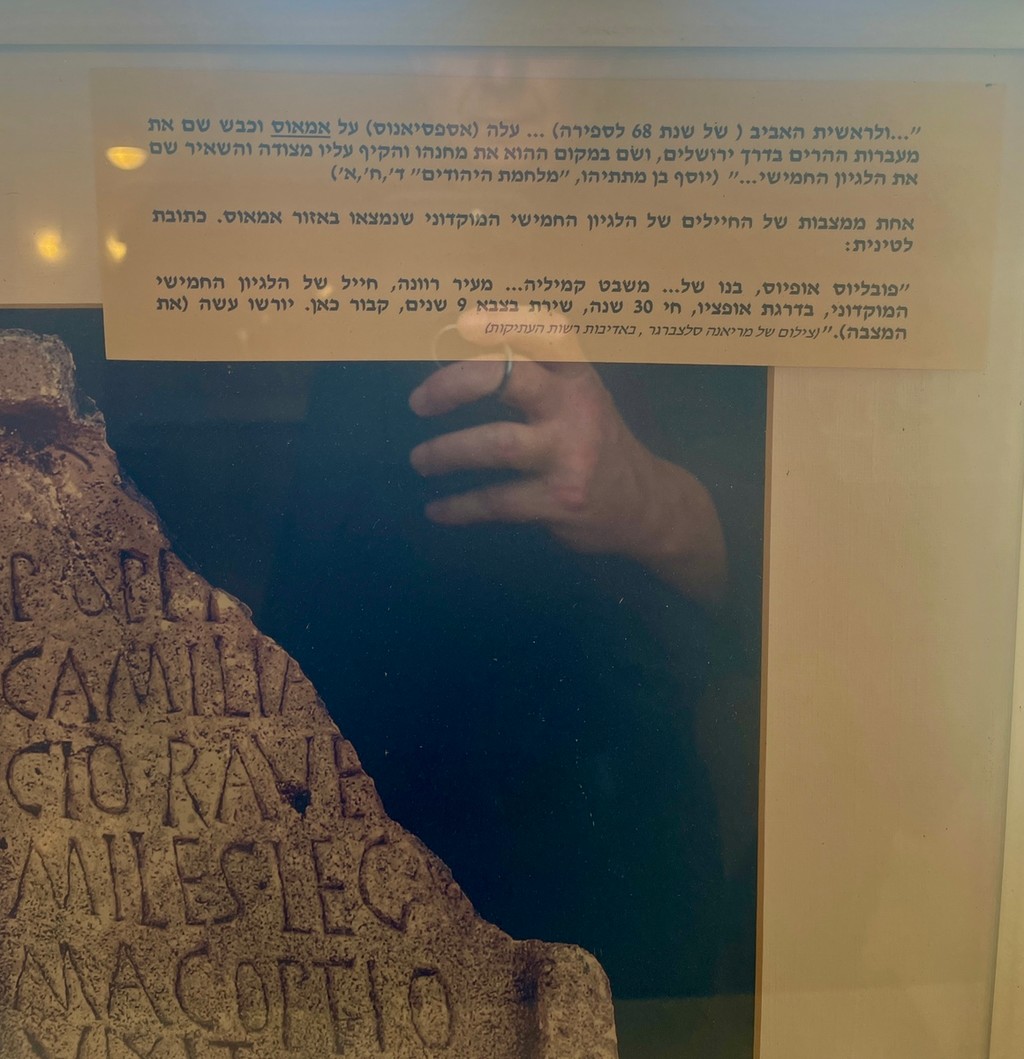
The journey begins in the almond blossoms of Sha'alvim, a landscape rooted in the biblical territory of the Tribe of Dan. The route advances through the strategic Latrun salient to Emmaus-Nicopolis, where Byzantine ruins mark the site of the Resurrection—land preserved through the spiritual visions of Mariam Baouardi and the patronage of Countess Beatrice de Saint-Cricq.
The path culminates at the abandoned Sorek Station, a limestone relic of the Ottoman Empire. Inside, time stands still among concrete staircases and iron veterans: a freight car and a yellow-marked shunting locomotive from the 1990s. A modest monument to Egyptian labourers honours the unsung builders of the WWI era. Today, the silence of these rusted tracks is only broken by the whistle of modern trains, bridging the gap between ancient faith and imperial ruins.