
From time to time, Jewish history has been scarred by sudden waves of violence. One such tragedy struck in 1839, in the Iranian city of **Mashhad**, when a mob incited by religious fanatics stormed the Jewish quarter — killing dozens, destroying synagogues, and forcing the entire community of about forty families to convert to Islam. From that moment, they became known as the *Mashhadi anusim* — “new Muslims” who outwardly followed Islam but secretly lit Sabbath candles and baked matzah behind closed doors. Their story echoed that of the Spanish *marranos*: hidden faith, quiet resistance, and survival through commerce.
They turned to what they knew best — trade in silk, carpets, and jewels — and their caravans carried them far beyond Iran. Many settled in **Bukhara** and **Samarkand**, where Jewish life flourished openly, and there they learned the art of business on a grand scale, sometimes marrying into Bukharan families. From Central Asia, their path led west — across the Caucasus and Turkey — toward the Mediterranean, to **Jaffa** and the emerging **Tel Aviv**.
Iran itself was turbulent. Just a decade earlier, in 1829, the Russian diplomat **Alexander Griboedov** had been murdered in Tehran — a warning of how easily religious fury could ignite against outsiders. The Mashhad pogrom of 1839 was another spark from that same fire, one that burned the most vulnerable. But in Ottoman Palestine at the turn of the 20th century, the Mashhadi Jews found something they hadn’t known for generations — the freedom to live openly as Jews.
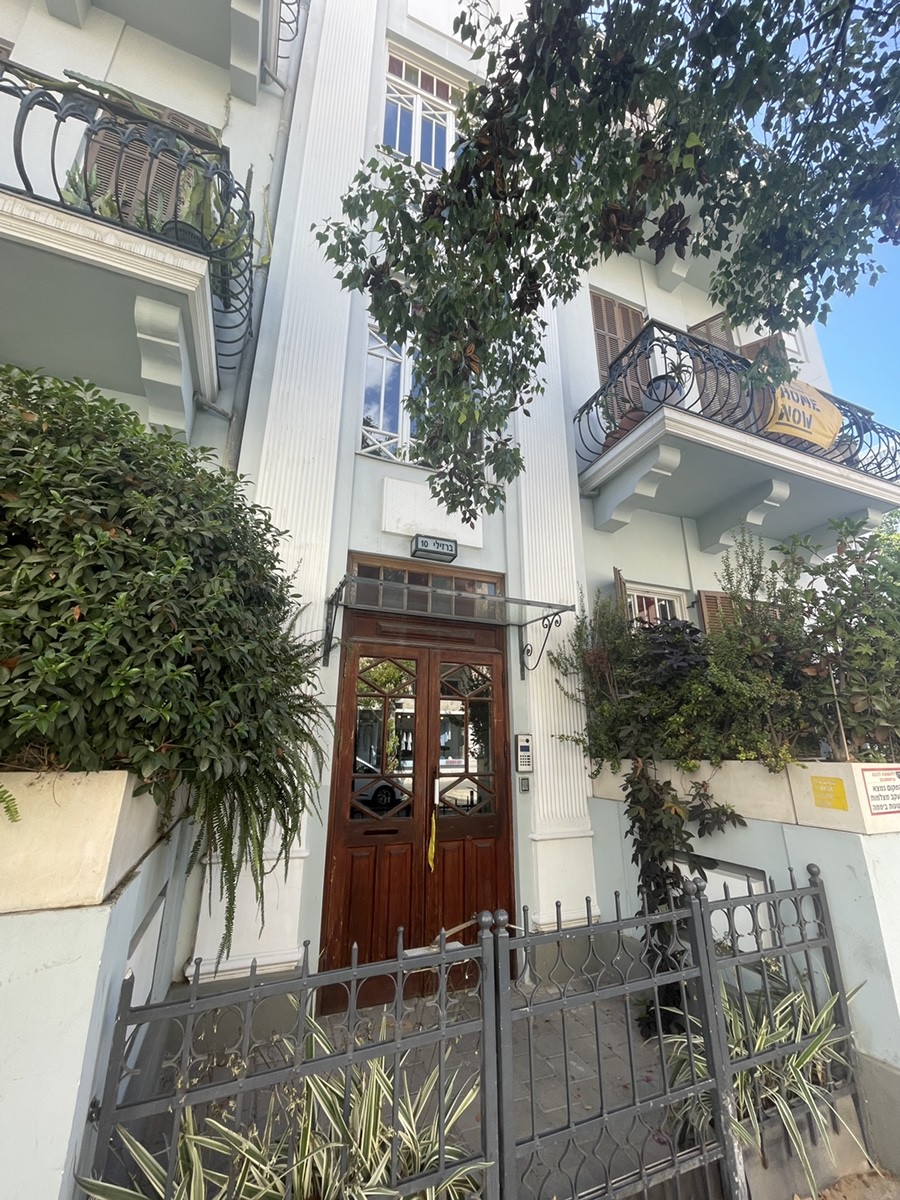
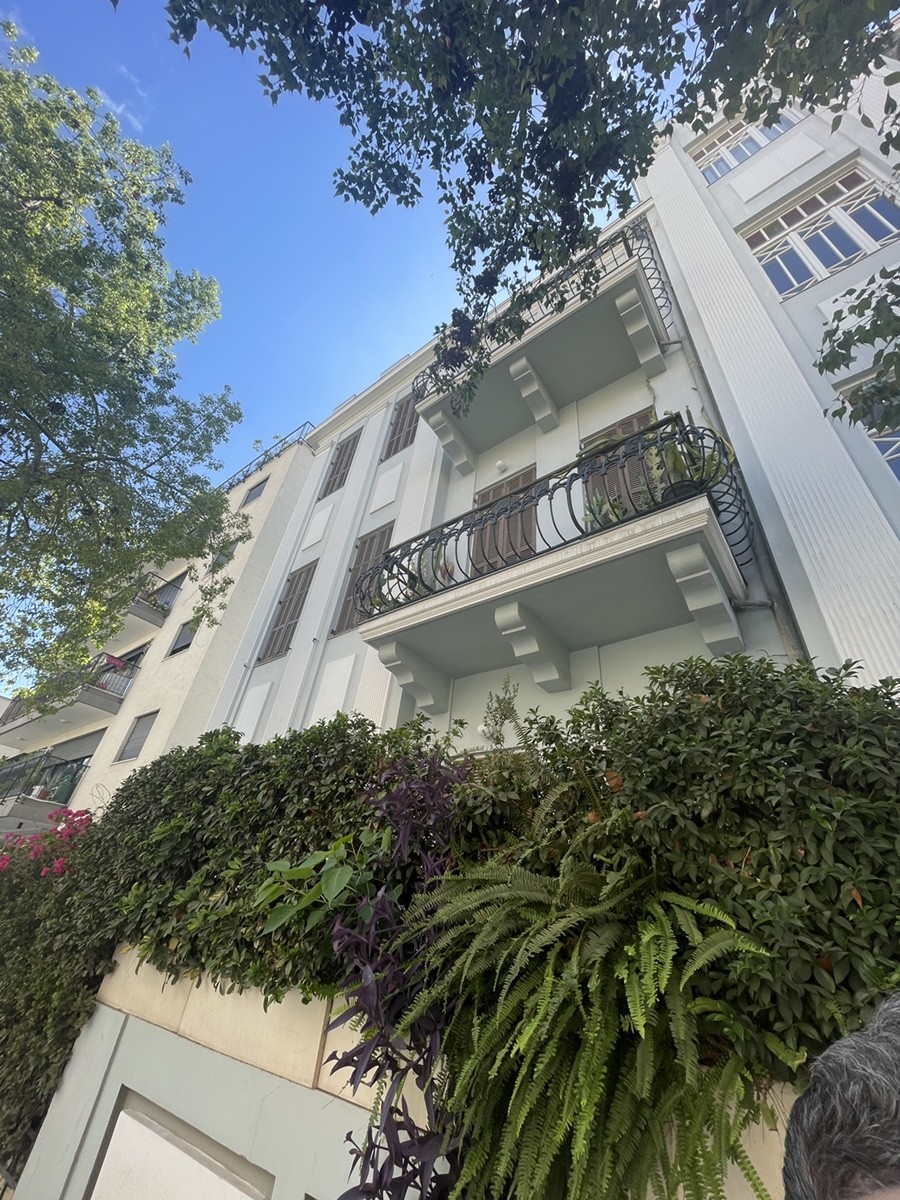
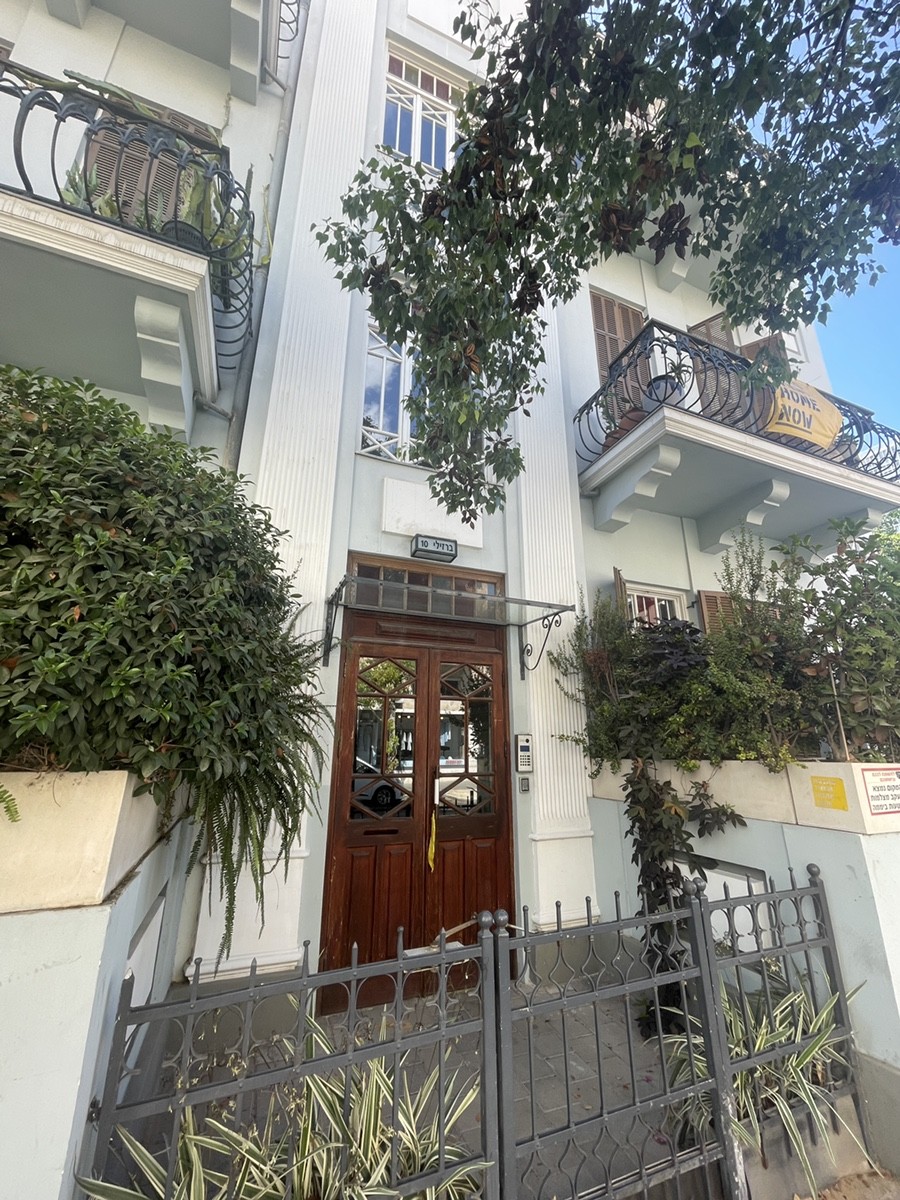
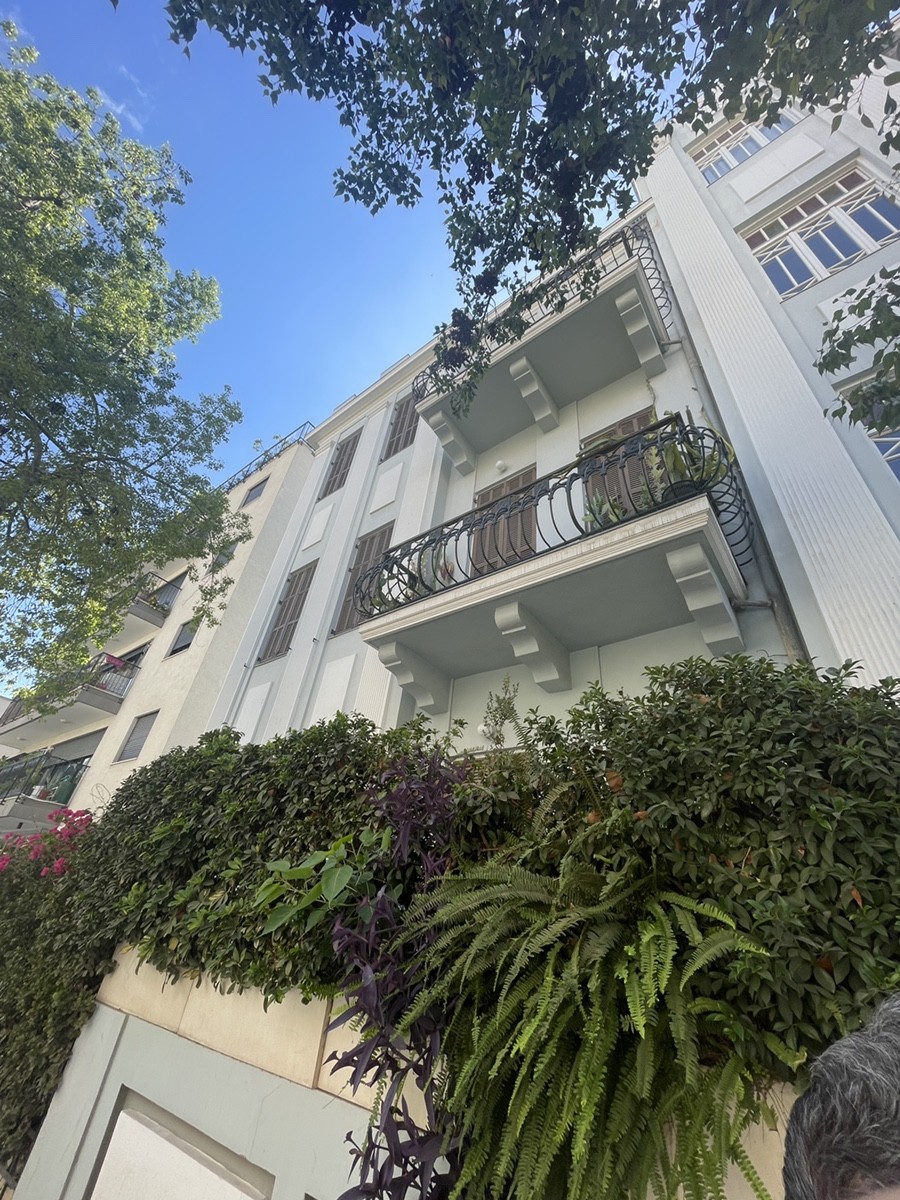
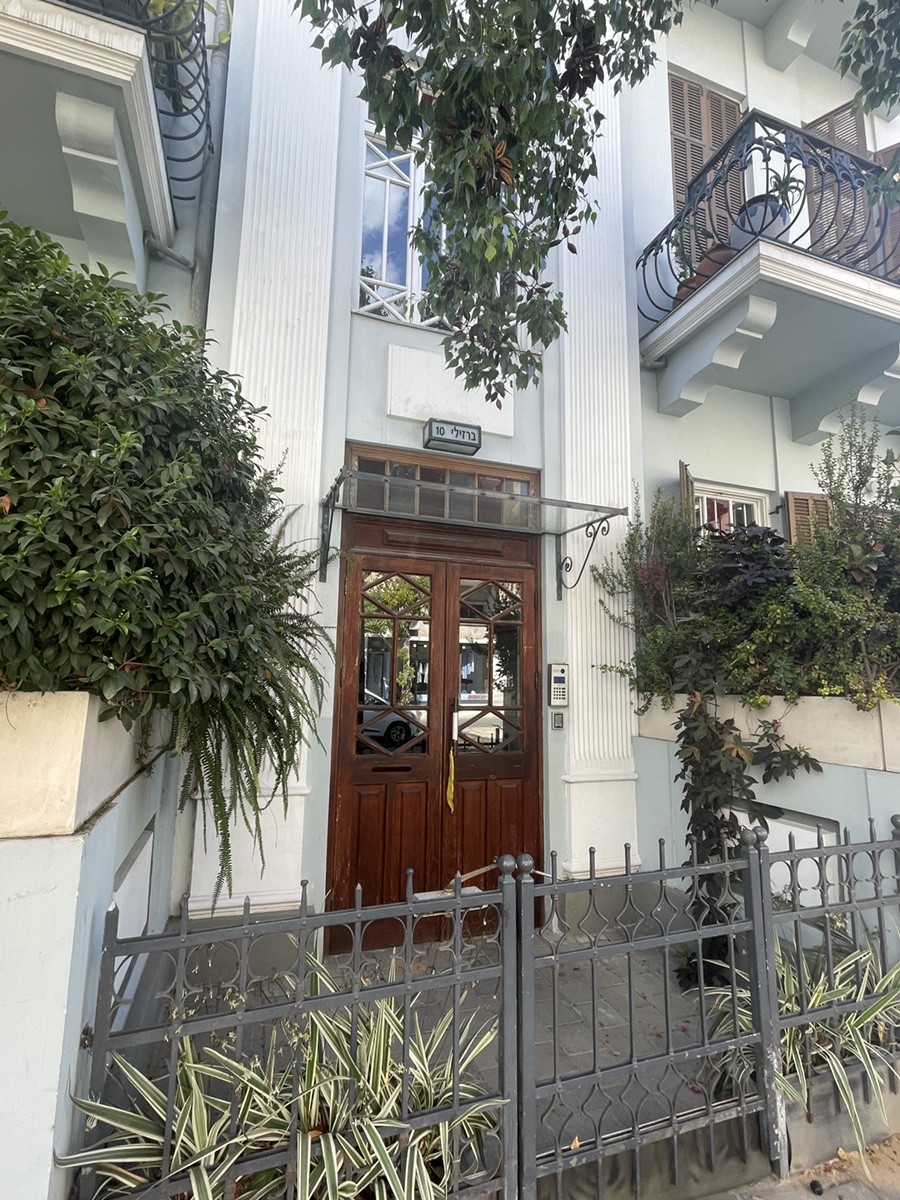
Families like the **Ishma’ilovs** began to build homes, inns, and income properties. In 1925, on **Barzilai Street** in the **Hashmal quarter**, they erected the **Beit Ishma’ilov**, designed by architect **Dov Tschudnovsky** in an elegant eclectic style. The building held nine apartments, with stained-glass doors and wrought-iron balconies — symbols of refinement and success. Restored in 2012, it still bears the name of its original owner, **Ephraim ben Yoel Ishma’ilov**.
By then, the Mashhadi community had settled comfortably in the best neighbourhoods of Tel Aviv and Jaffa. No longer hiding their faith, they became known as prudent investors and proud urban citizens, their houses lining Barzilai, Montefiore, and Allenby streets. Standing before Beit Ishma’ilov today, one can trace a remarkable journey — from the persecution of Mashhad, through the markets of Bukhara and the caravans of Persia, to the open sunlight of Tel Aviv, where a once-hidden community finally found both belonging and permanence in stone.
You’ll walk through the very heart of old Tel Aviv — a neighbourhood where orange groves, missionary dreams, and the glow of early electricity all intertwined. The journey begins at the Model Farm and its iconic water tower, the birthplace of irrigation in Eretz Israel. From there, we’ll trace the footsteps of the Ishma’ilov family — Mashhadi *anusim* who built rental houses and inns for Persian merchants, yet lost much of their fortune under dramatic circumstances. We’ll pause in Gan HaHashmal, the city’s second public garden, which has witnessed the romance of the 1920s, decline, and the wave of 21st-century gentrification. The walk culminates at the grand Ohel Moed Synagogue — the “Tent of Meeting” — where eastern communities claimed their rightful place in the growing city. This is a journey through layers of time: from water to electricity, from merchant houses to gardens and synagogues — a story where every street guards a secret and every building speaks for its generation.