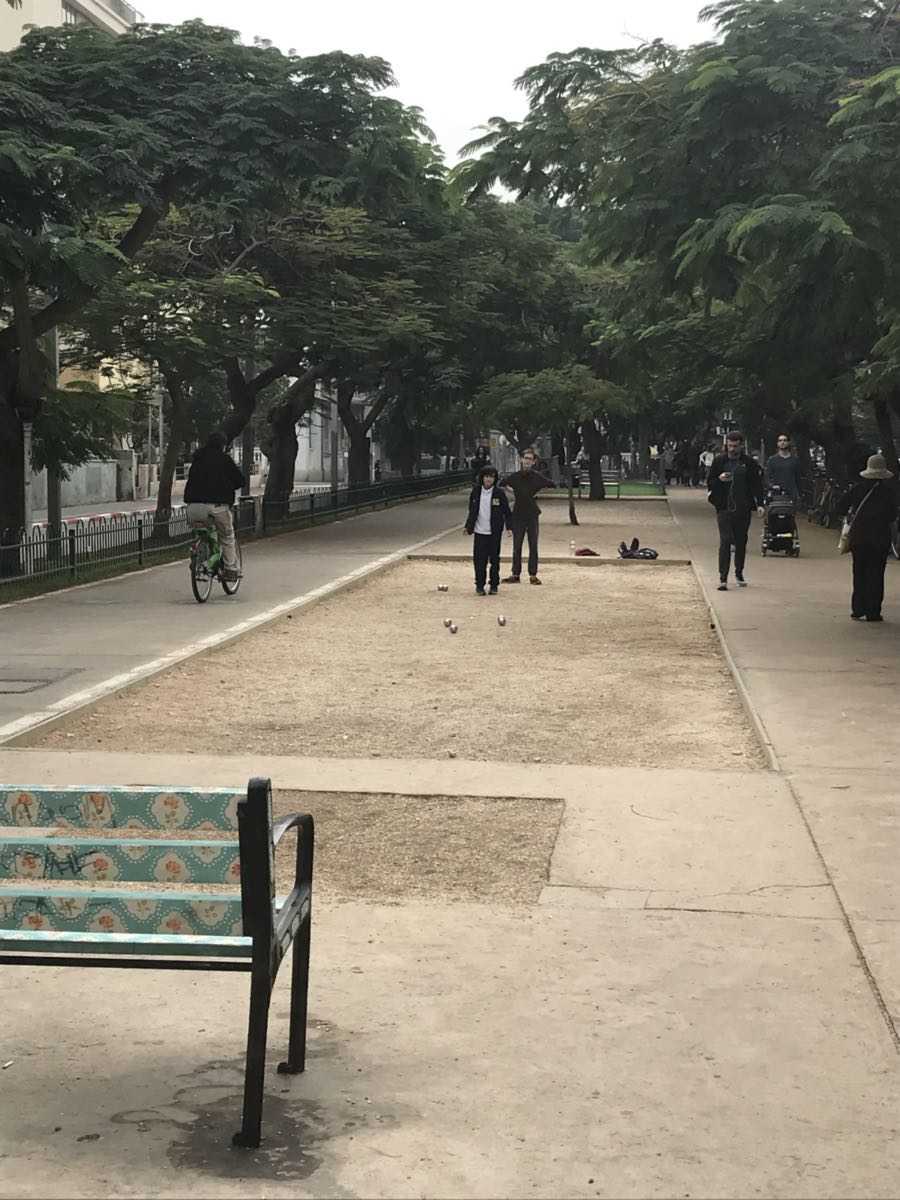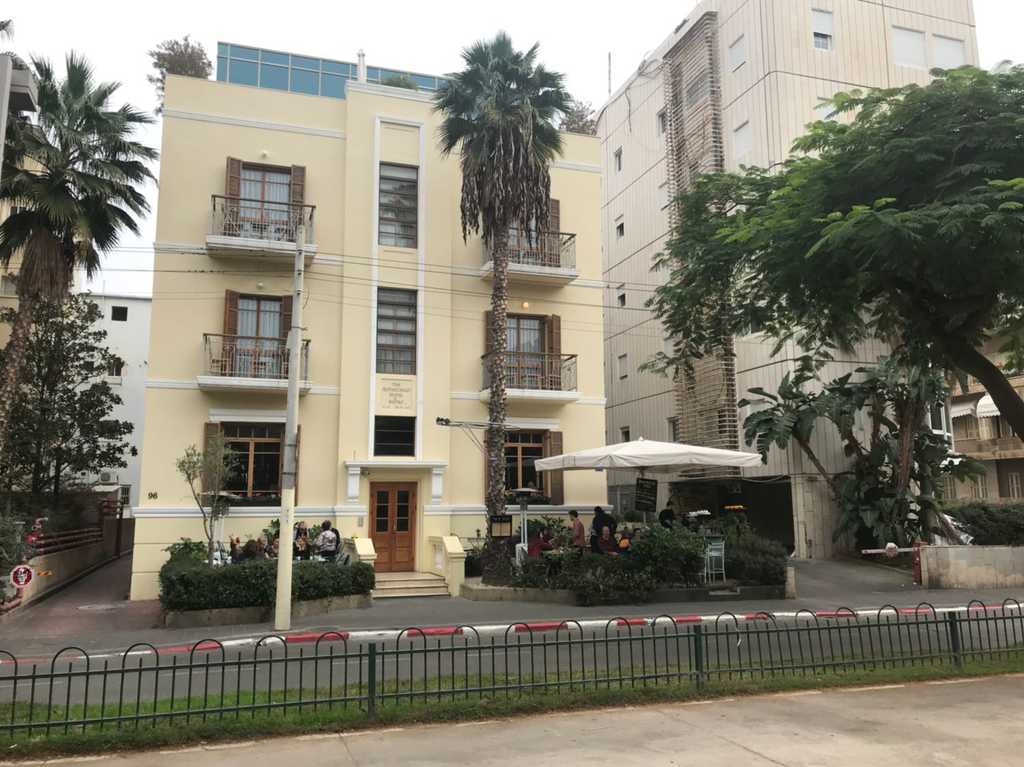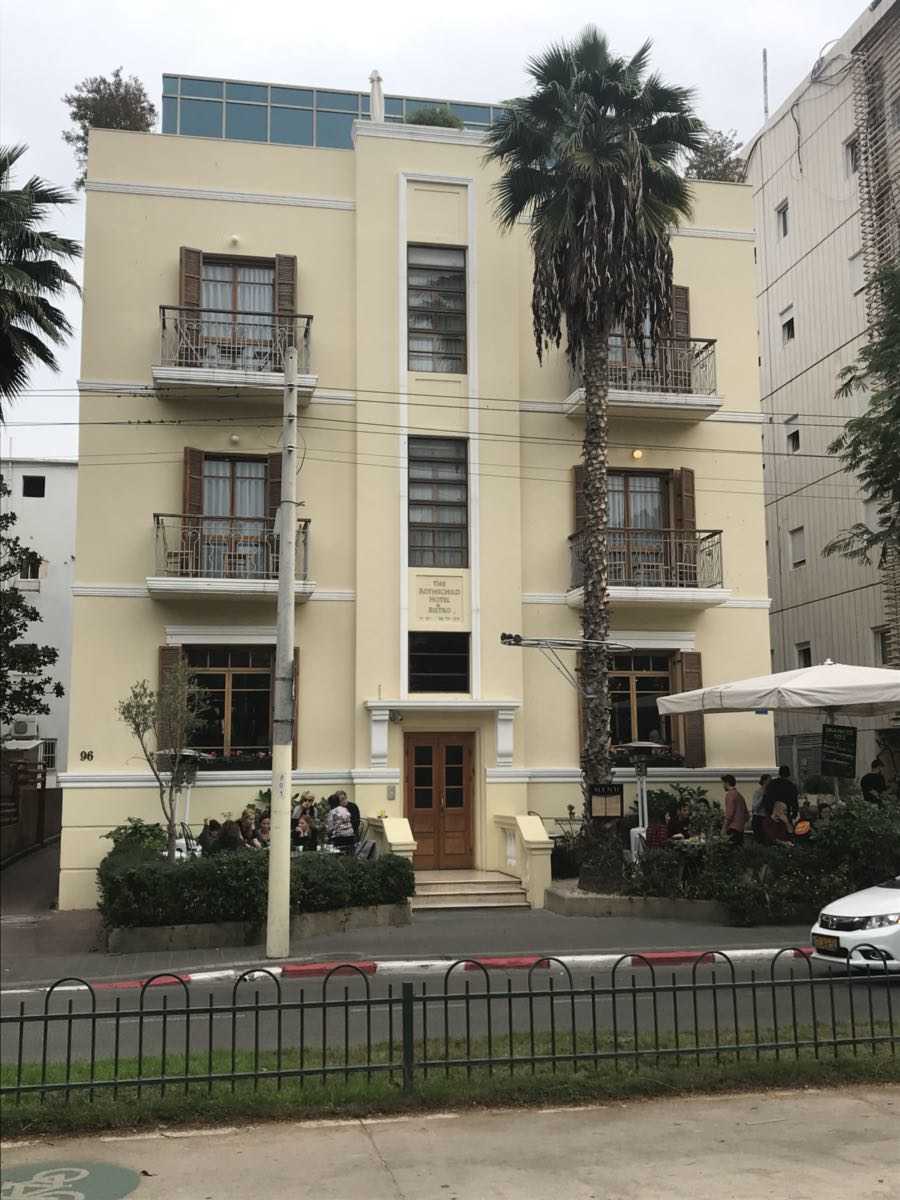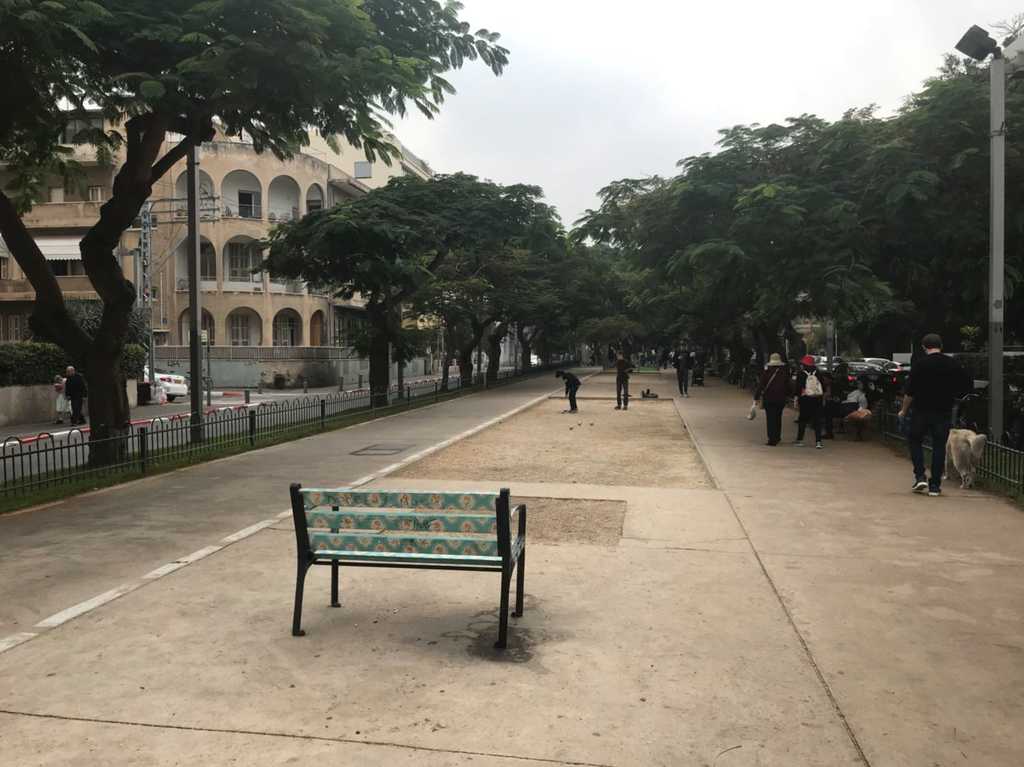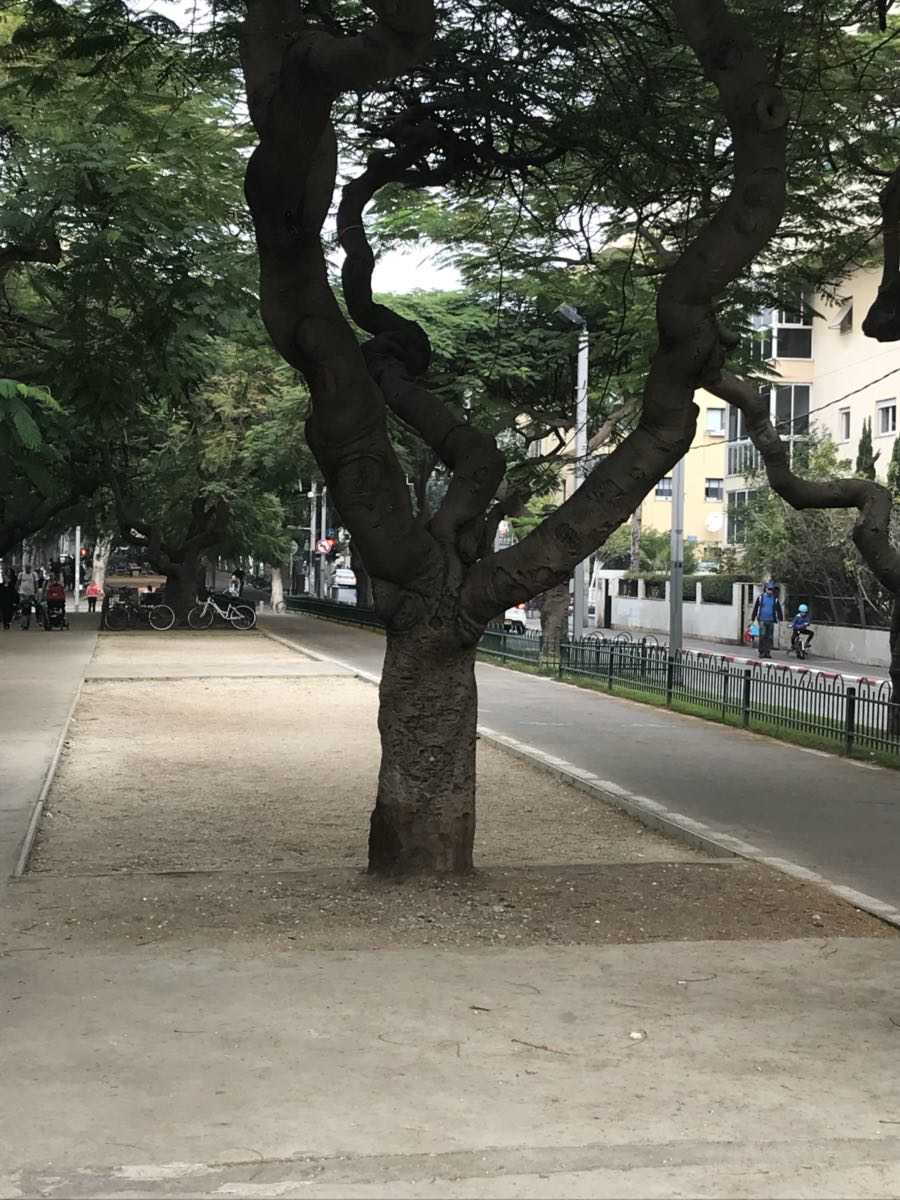

Long before this building transformed into one of Tel Aviv’s most exclusive boutique hotels, it was home to Avraham Friedman—a man of humble means but undeniable charm, whose quiet presence mirrored the modest ambitions of a young Tel Aviv. Today, a sophisticated French restaurant graces the lobby. At the same time, Rothschild Boulevard has blossomed into the vibrant heartbeat of the city, teeming with playgrounds, charming cafés, and a cultural buzz that feels plucked straight from the pages of an Anna Gavalda novel. Beneath the dense canopy of trees, passersby now find shade and solace—but once upon a time, this boulevard looked nothing like the inviting retreat it is today.
In its early years, Rothschild Boulevard was a sun-drenched, tree-barren expanse. This changed abruptly in 1921 when Tel Aviv was poised to host Winston Churchill. Meir Dizengoff, the city’s mayor and a man with a flair for the dramatic, decided Tel Aviv should present itself as a true European city, complete with grand boulevards and stately trees. Towering palms were chosen for their air of sophistication and quickly planted along the boulevard as a show of urban elegance.
But, as is often the case with bold ideas, only some things went according to plan. Dizengoff, for all his vision, had failed to account for the palms’ weak roots, which were ill-equipped for Tel Aviv’s sandy soil. On the day of Churchill’s arrival, calamity struck: one palm, unsteady in its new home, tipped over. Then another followed as if in solidarity. Some blamed eager children, who had climbed the trees for a better view of the celebrated visitor. Others whispered about hasty preparations and corners cut in the race to impress. In observing the scene with characteristic British humour, Churchill quipped, “It seems you’ve yet to put down proper roots here!”
This delightful mishap became an enduring story of Tel Aviv’s early days, a gentle reminder that the making of a city is as much about its imperfect experiments as its triumphs. Today, as you stroll beneath the sprawling acacia trees of Rothschild Boulevard, it’s almost impossible to imagine this lush oasis began with such a comical wobble. But then again, what’s a great city without a few good stories to tell?
Let us begin our journey at Habima Square, a central crossroads in Tel Aviv where Rothschild Boulevard meets Sderot Hen, named after the national poet Haim Nachman Bialik. These boulevards, shaded by elegant ficus trees, are more than just scenic streets—they are the threads of a narrative that weaves through the history of Israel’s founding.
On Sderot Hen, at No. 1, a pivotal moment unfolded on May 13, 1948. Within this modest building, Arab representatives signed a formal agreement of surrender, just one day before the proclamation of Israel’s independence. A few steps away, across Rothschild Boulevard, in the home of Tel Aviv’s first mayor, Meir Dizengoff, David Ben-Gurion stood in a modest living room and declared the establishment of the State of Israel.
This short but profound route between two historic landmarks is a journey through time. It captures the essence of Tel Aviv’s transformation—from a nascent Hebrew city into the cultural and historical heart of modern Israel. Each building, each street, whispers the stories of visionaries and pivotal moments. Walking this path isn’t just about seeing the city; it’s about feeling its pulse, its spirit, and its unique place in history.