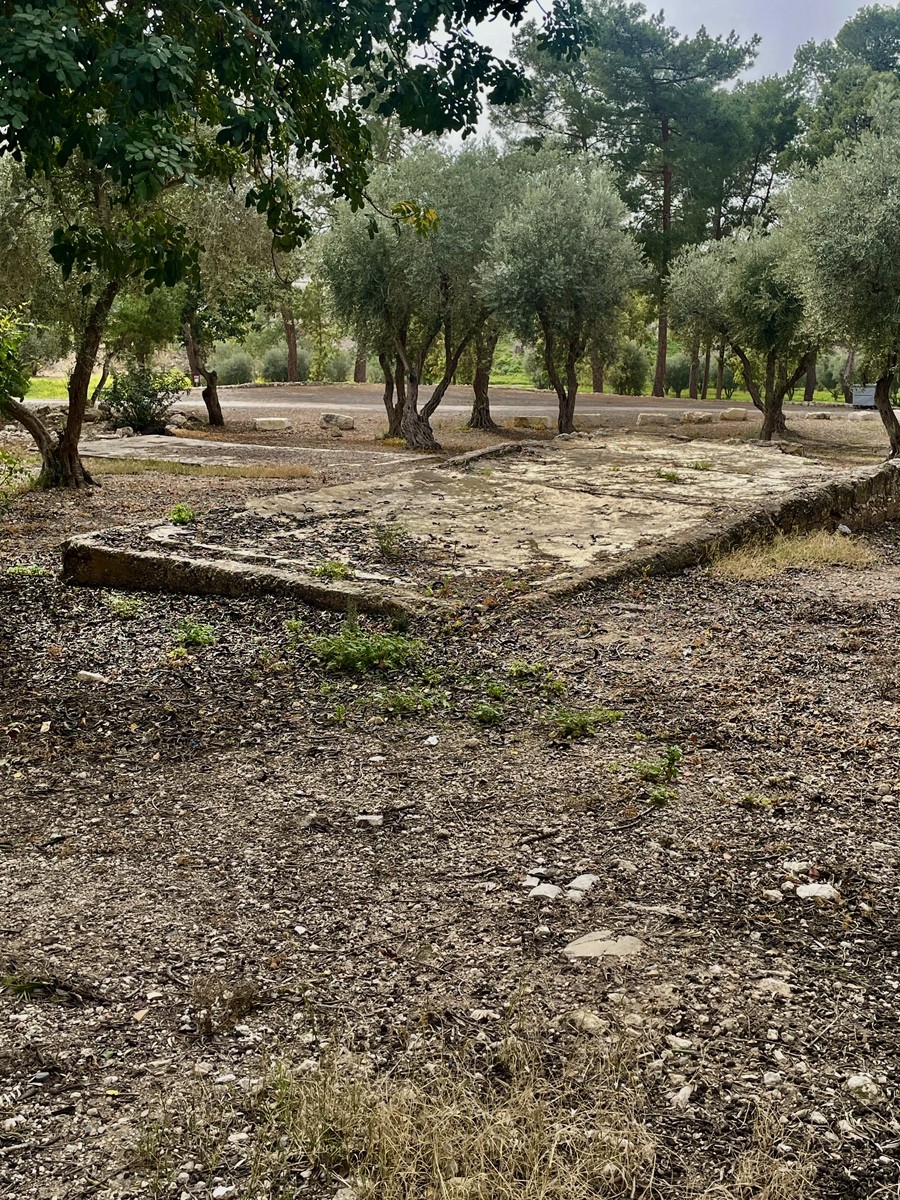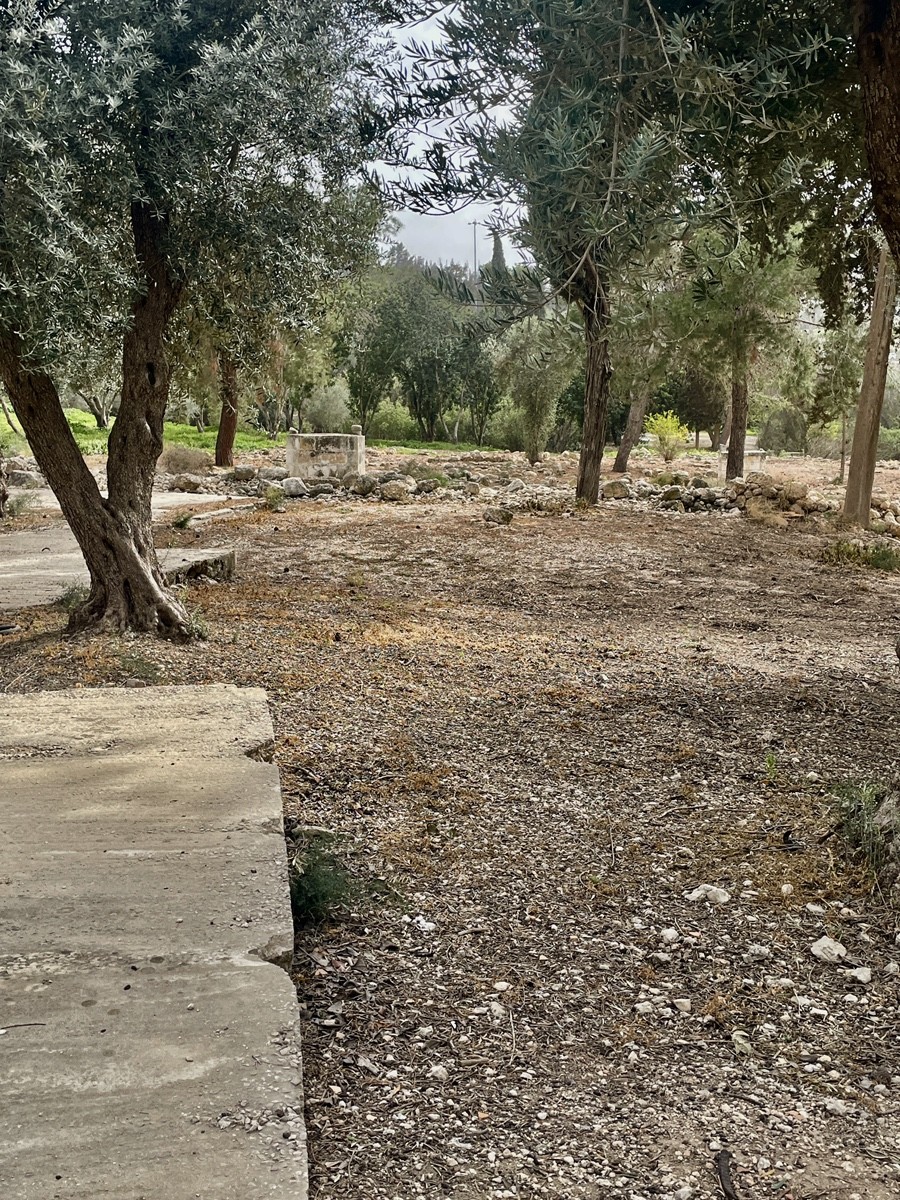

On June 6, 1967, the strategic threat of the Latrun Salient reached its peak when elite Egyptian commandos used the area to target Israeli airbases. Following intense combat—which left 80 Egyptian soldiers buried in a mass grave near what is now Mini Israel—the Israeli military leadership, including General Yitzhak Rabin, ordered the immediate and total demolition of Imwas, Yalo, and Beit Nuba.
Residents were given mere minutes to flee toward Ramallah as bulldozers systematically levelled schools and homes. To finalise the area's status and prevent any legal return of the inhabitants, Canada Park was established in the early 1970s. While ancient Byzantine ruins and cemeteries were spared, the village's domestic history was buried under new forests, leaving only the original olive groves as silent witnesses to the pre-1967 landscape.
The journey begins in the almond blossoms of Sha'alvim, a landscape rooted in the biblical territory of the Tribe of Dan. The route advances through the strategic Latrun salient to Emmaus-Nicopolis, where Byzantine ruins mark the site of the Resurrection—land preserved through the spiritual visions of Mariam Baouardi and the patronage of Countess Beatrice de Saint-Cricq.
The path culminates at the abandoned Sorek Station, a limestone relic of the Ottoman Empire. Inside, time stands still among concrete staircases and iron veterans: a freight car and a yellow-marked shunting locomotive from the 1990s. A modest monument to Egyptian labourers honours the unsung builders of the WWI era. Today, the silence of these rusted tracks is only broken by the whistle of modern trains, bridging the gap between ancient faith and imperial ruins.