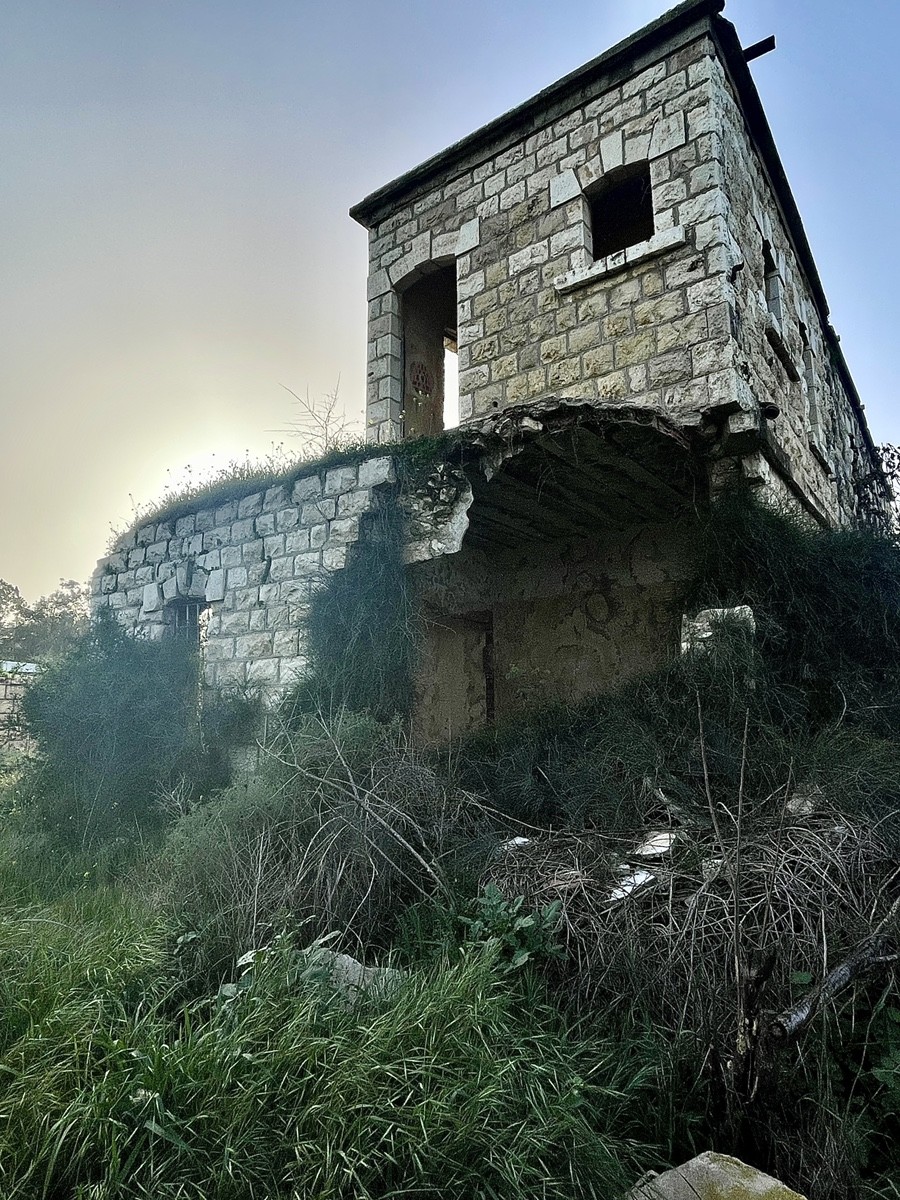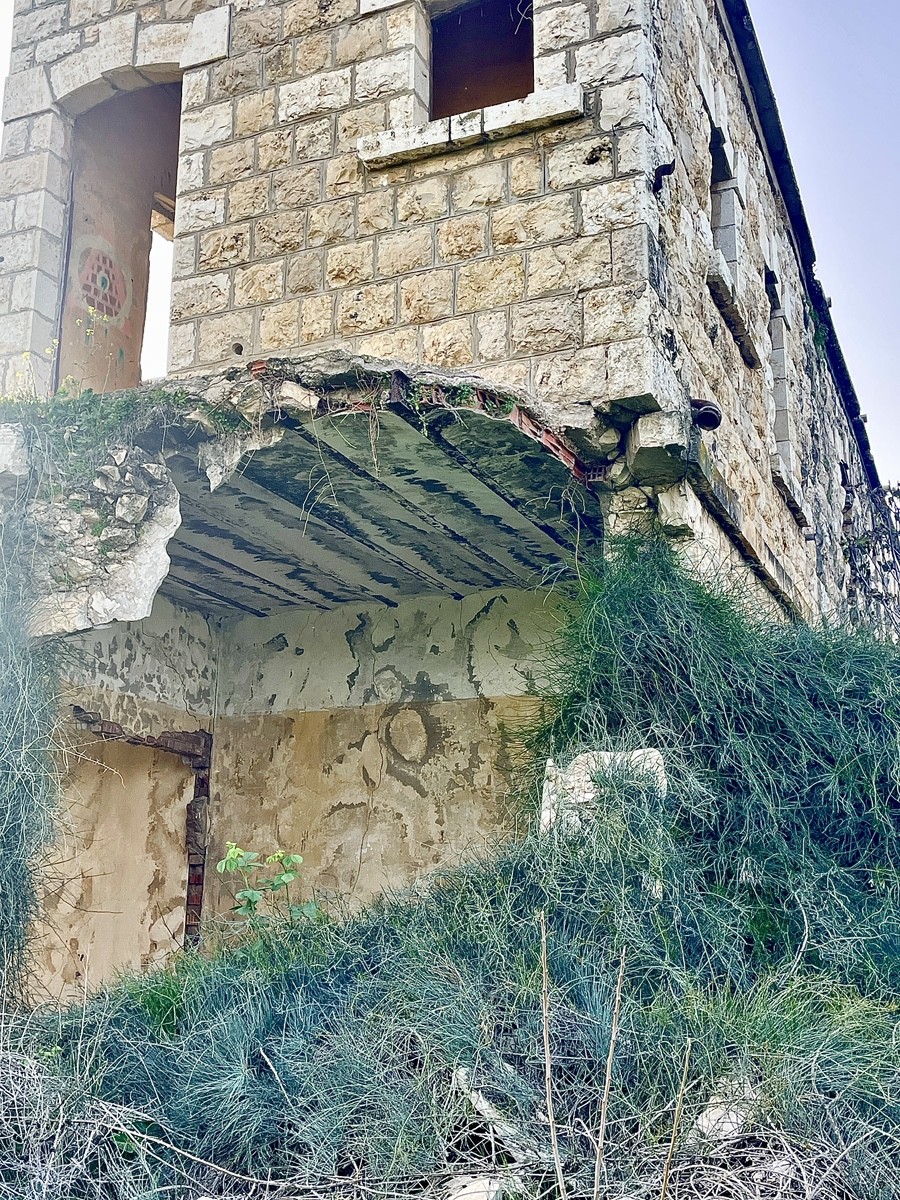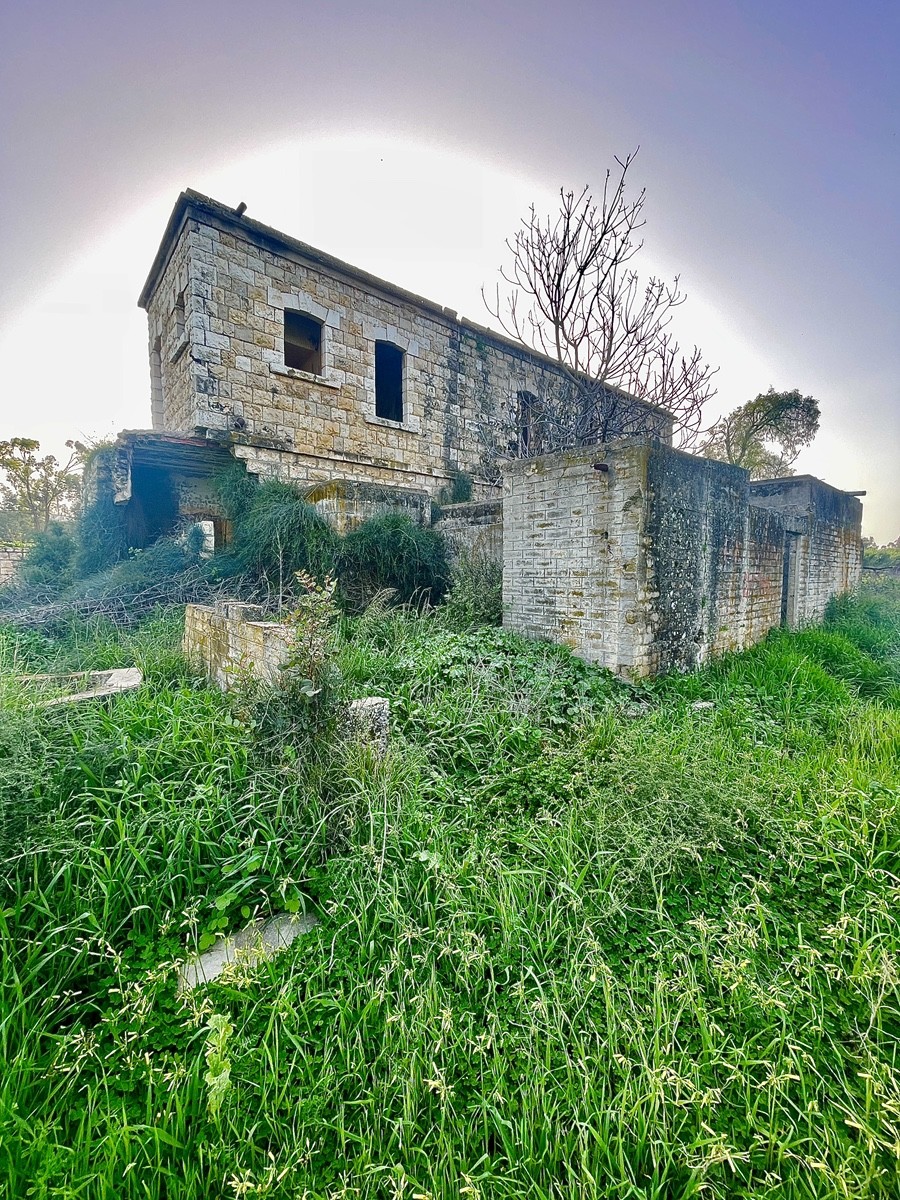

The ceiling structure visible in the ruins—known as Filler Joist construction—marks a pivotal shift in Levantine engineering. Mass-produced in Europe and the US during the late 19th century, this method reached Palestine through high-calibre artisans like the Templers and, crucially, through French and British railway engineers.
By replacing traditional vaulted stone or rot-prone wooden beams with industrial steel, architects achieved flatter ceilings, faster construction times, and the ability to span large waiting halls without massive supports. For a strategic hub like Sorek, steel was chosen not just for its strength but also for its fire resistance—a critical safety requirement for railway buildings in the era of steam and sparks. The exposed beams today are the "industria" skeleton of the station, representing Palestine’s architecture, which moved from the artisanal to the modern.
The journey begins in the almond blossoms of Sha'alvim, a landscape rooted in the biblical territory of the Tribe of Dan. The route advances through the strategic Latrun salient to Emmaus-Nicopolis, where Byzantine ruins mark the site of the Resurrection—land preserved through the spiritual visions of Mariam Baouardi and the patronage of Countess Beatrice de Saint-Cricq.
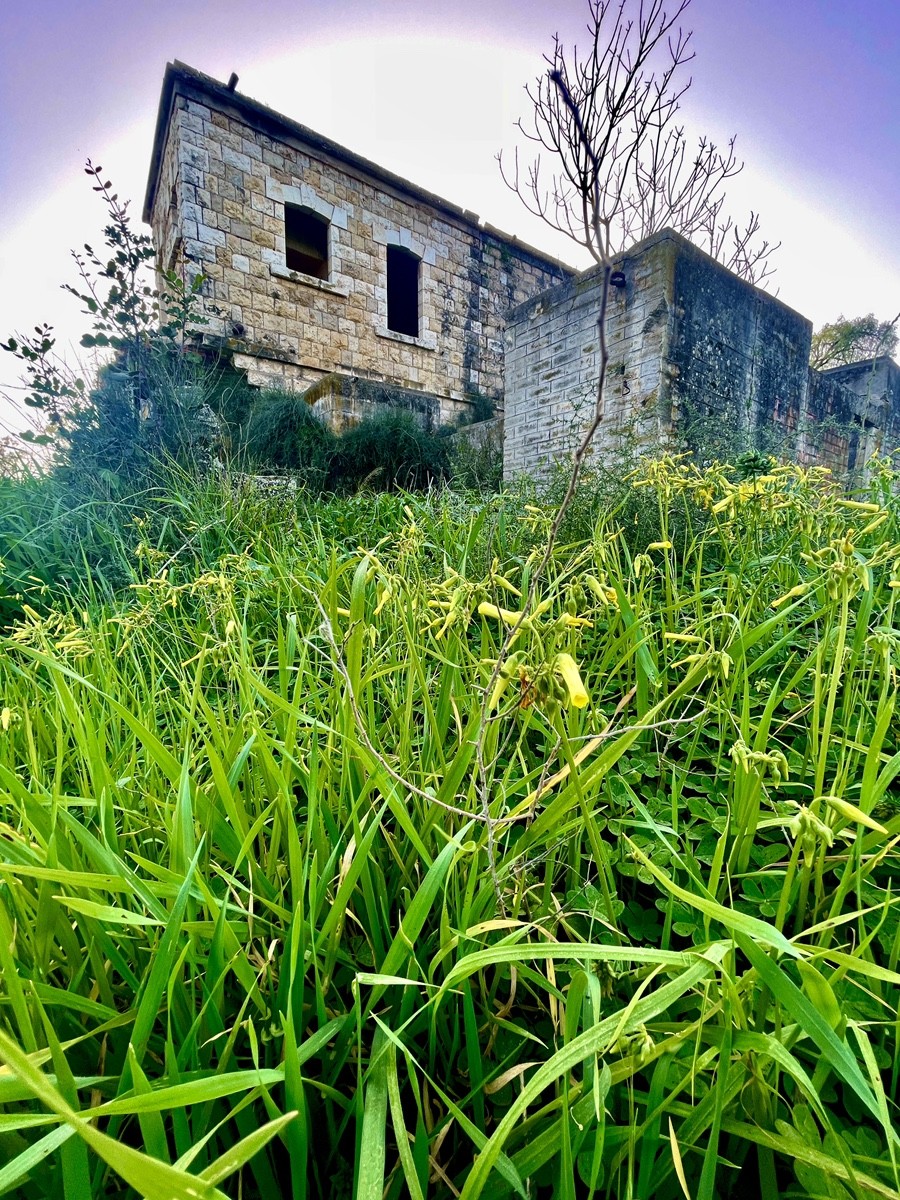
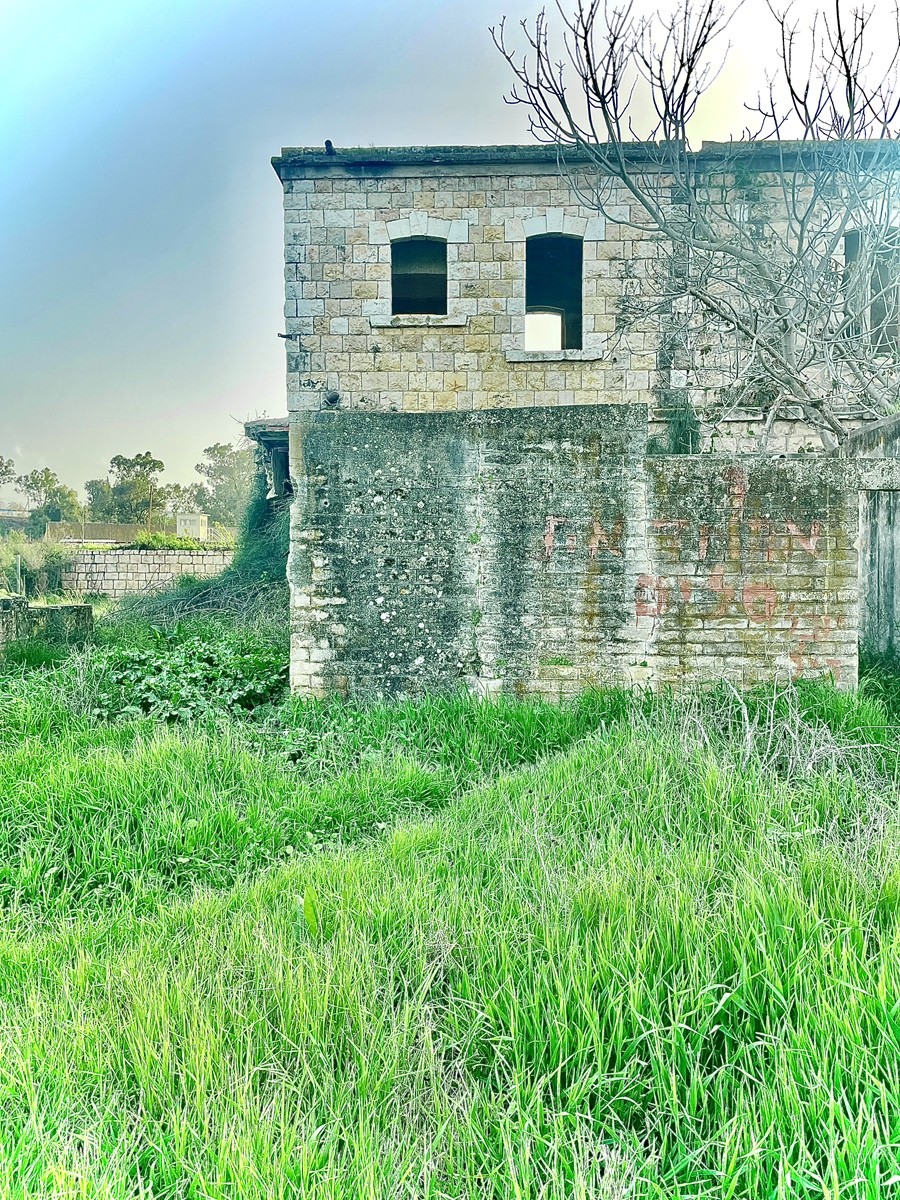
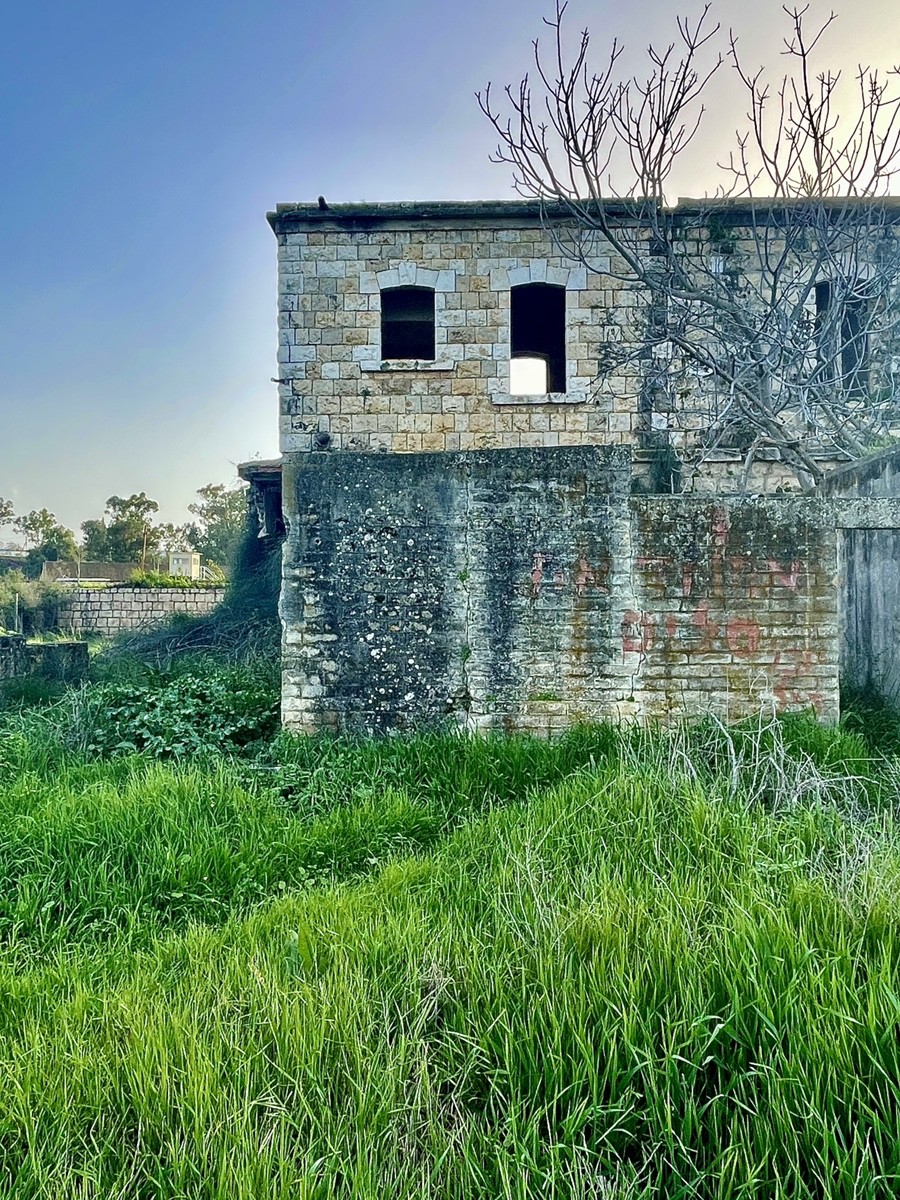
The path culminates at the abandoned Sorek Station, a limestone relic of the Ottoman Empire. Inside, time stands still among concrete staircases and iron veterans: a freight car and a yellow-marked shunting locomotive from the 1990s. A modest monument to Egyptian labourers honours the unsung builders of the WWI era. Today, the silence of these rusted tracks is only broken by the whistle of modern trains, bridging the gap between ancient faith and imperial ruins.