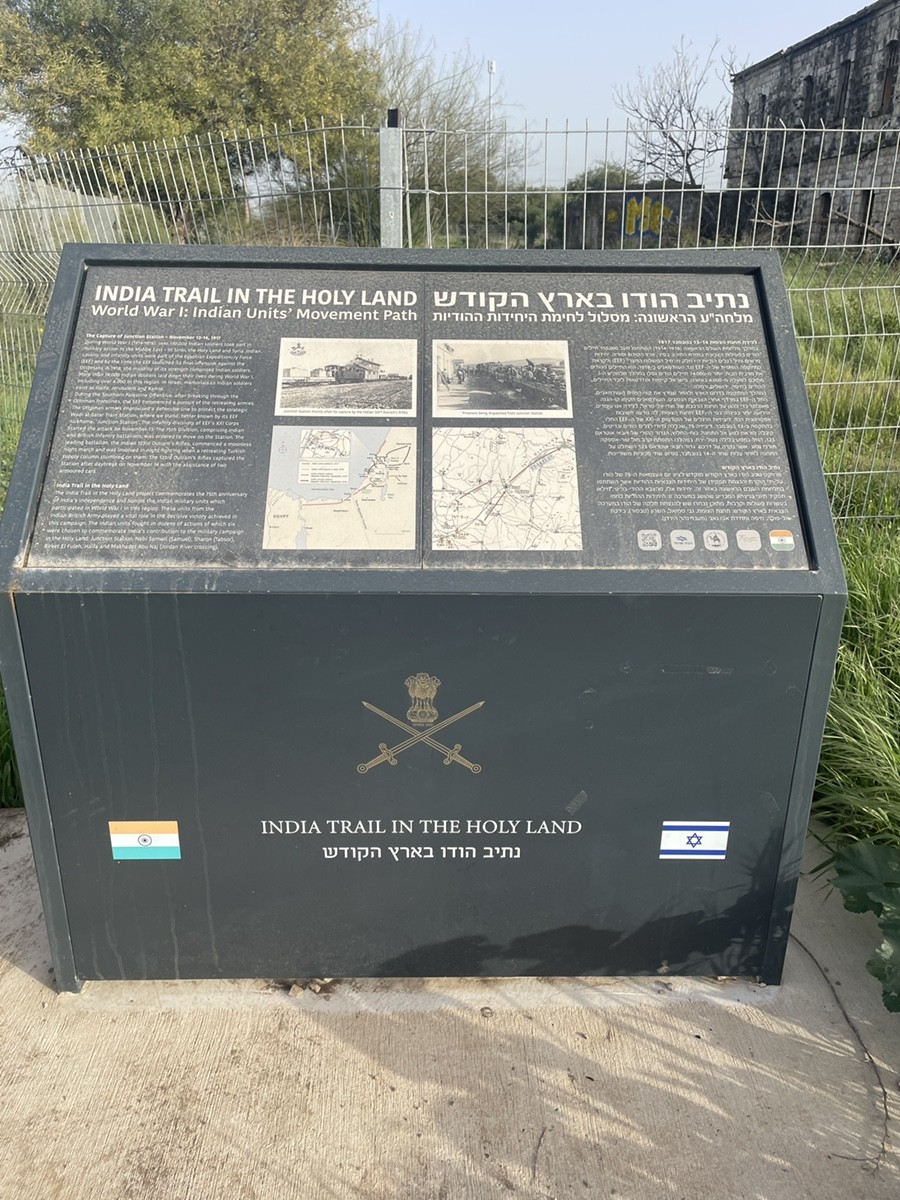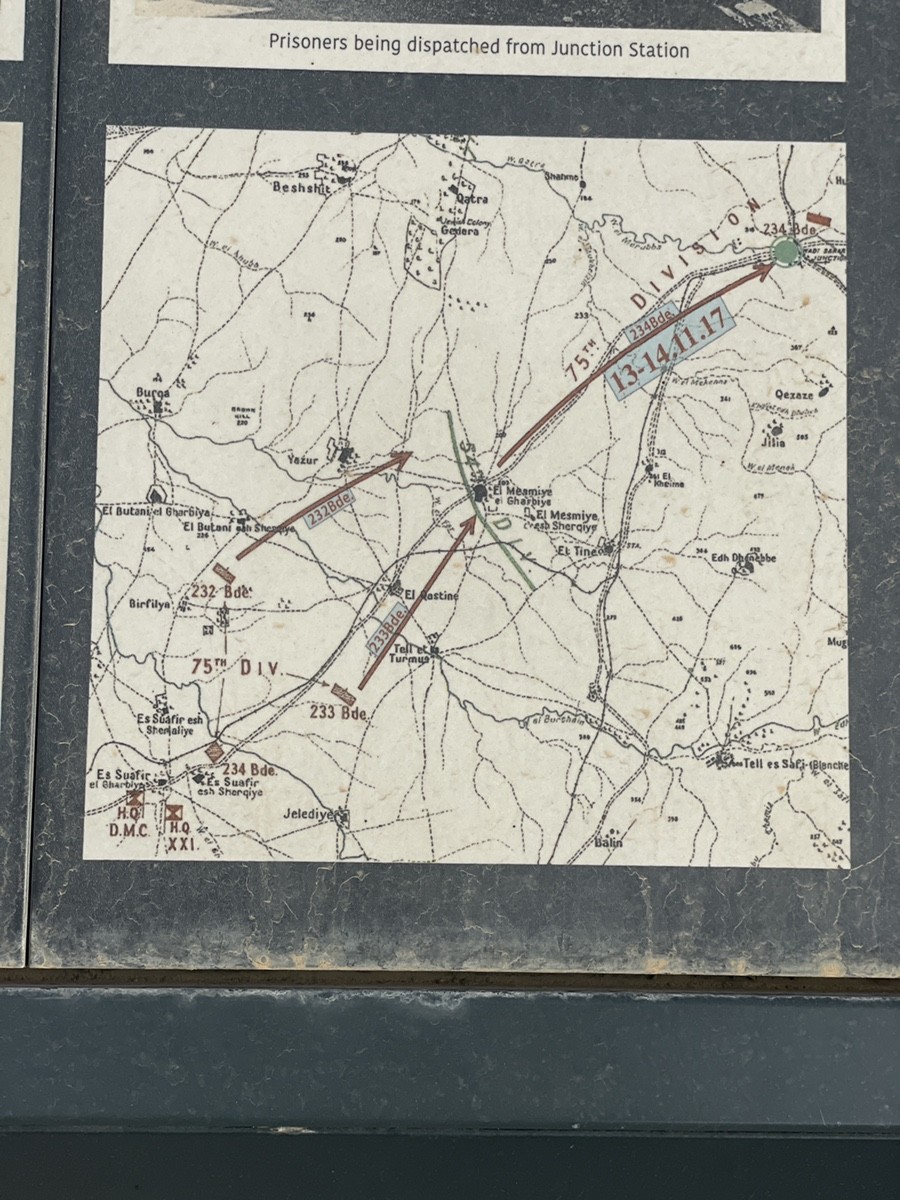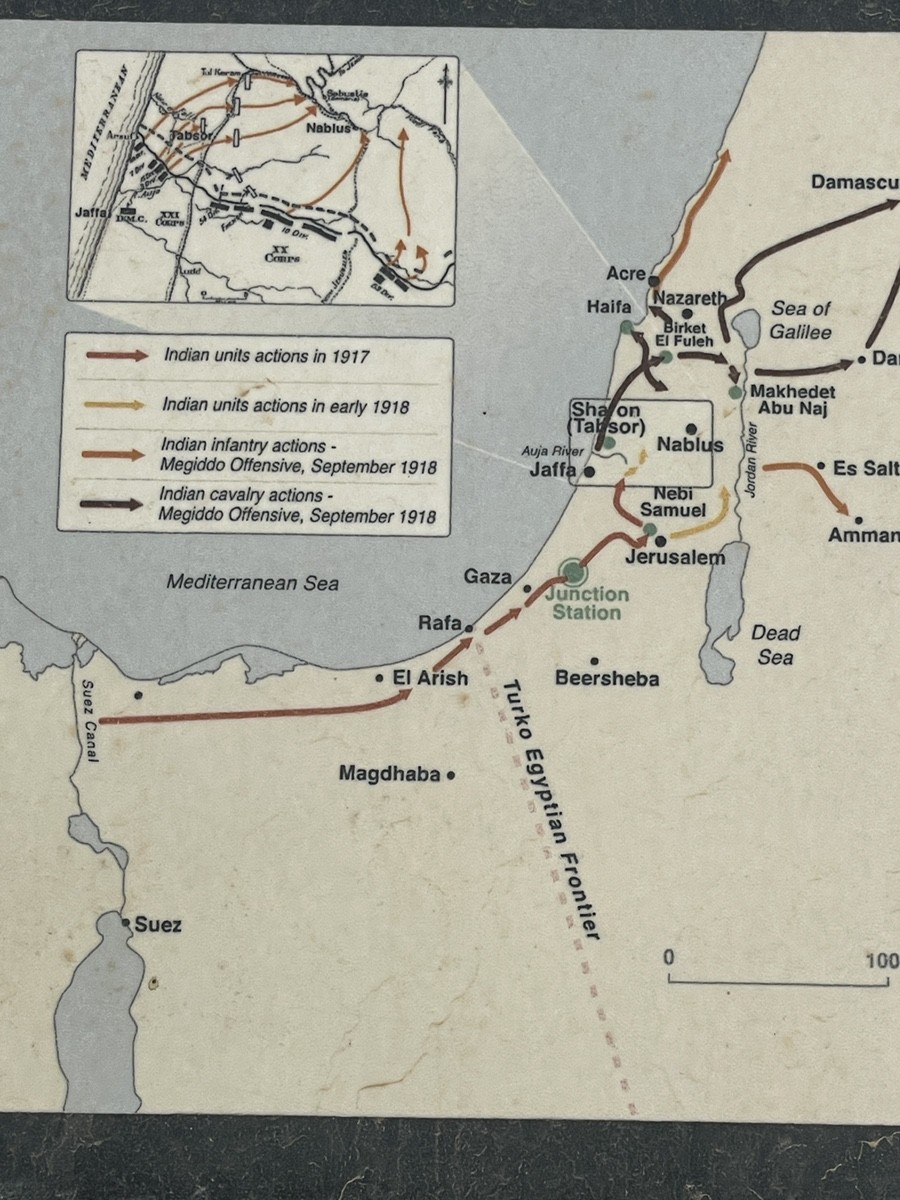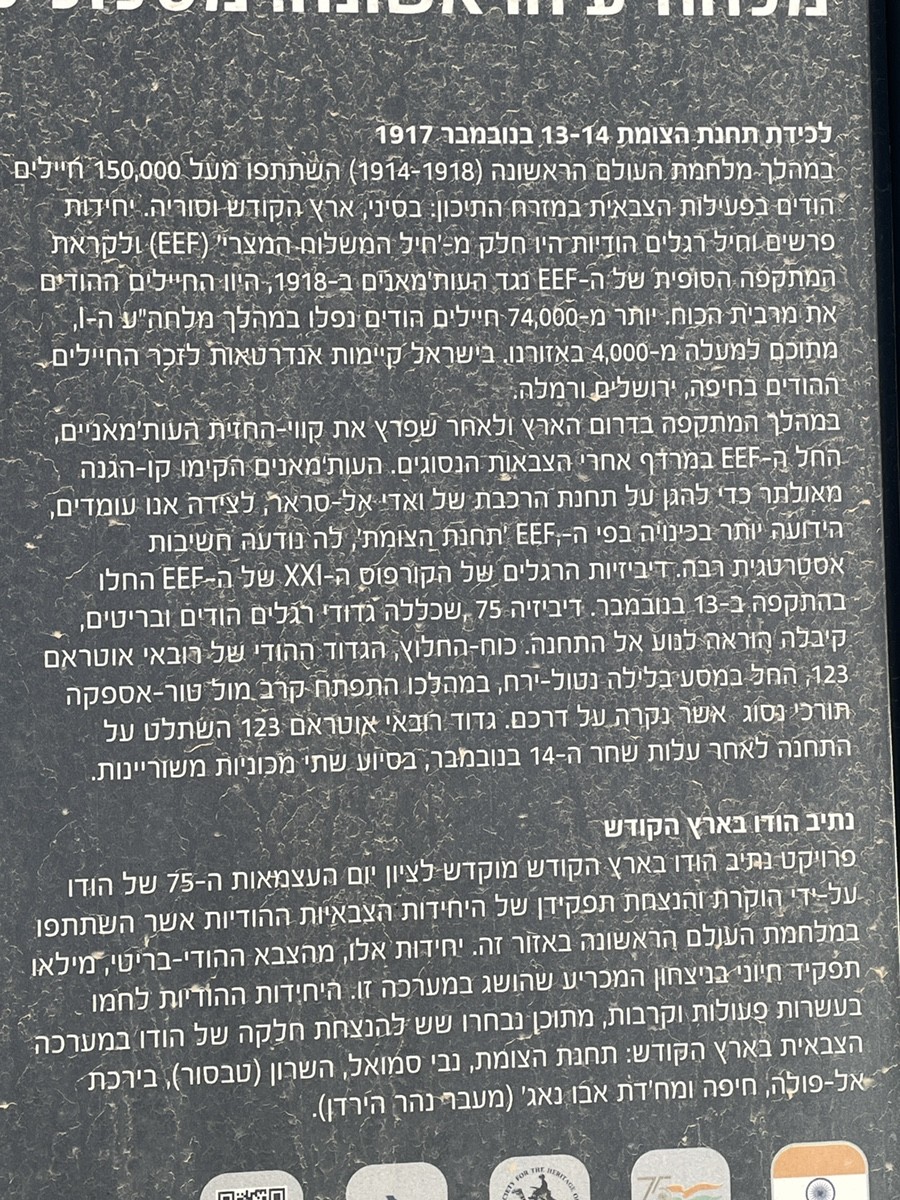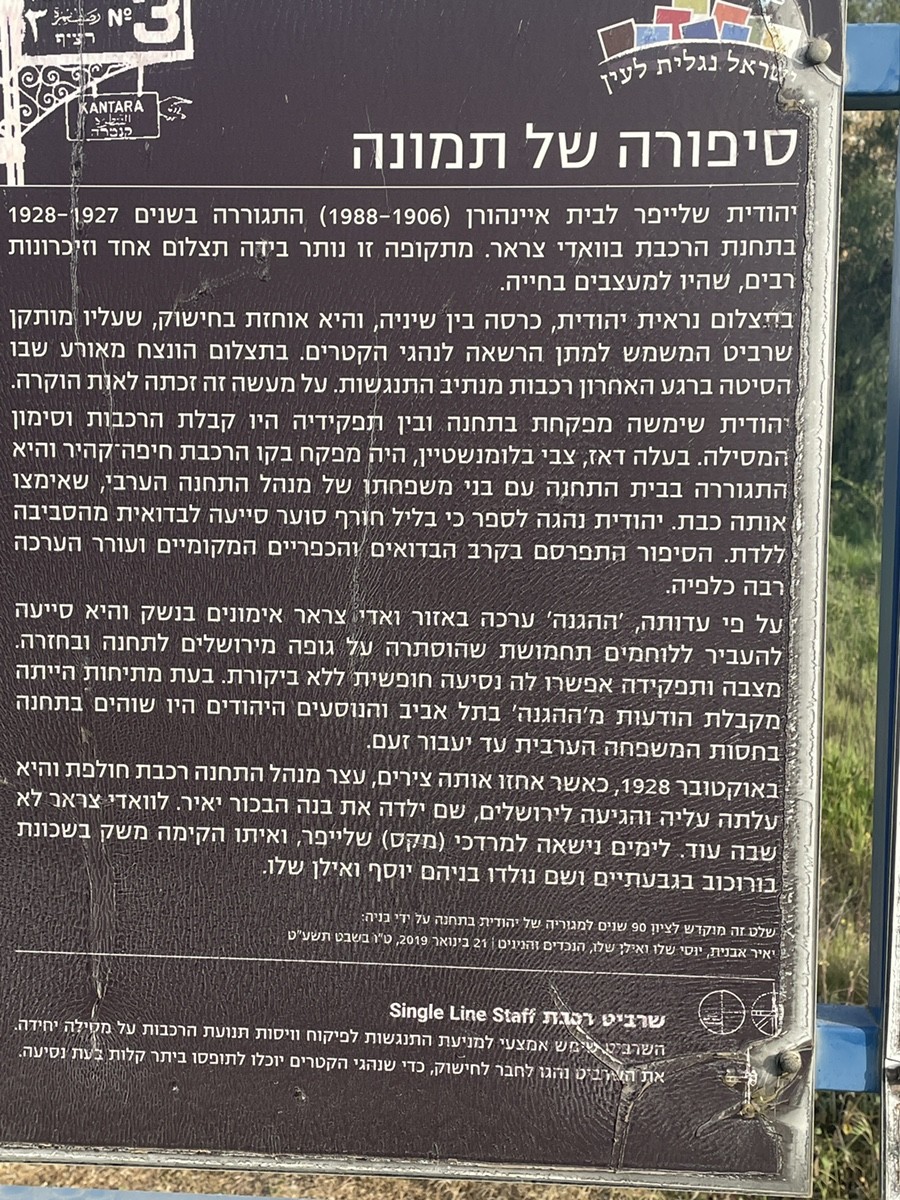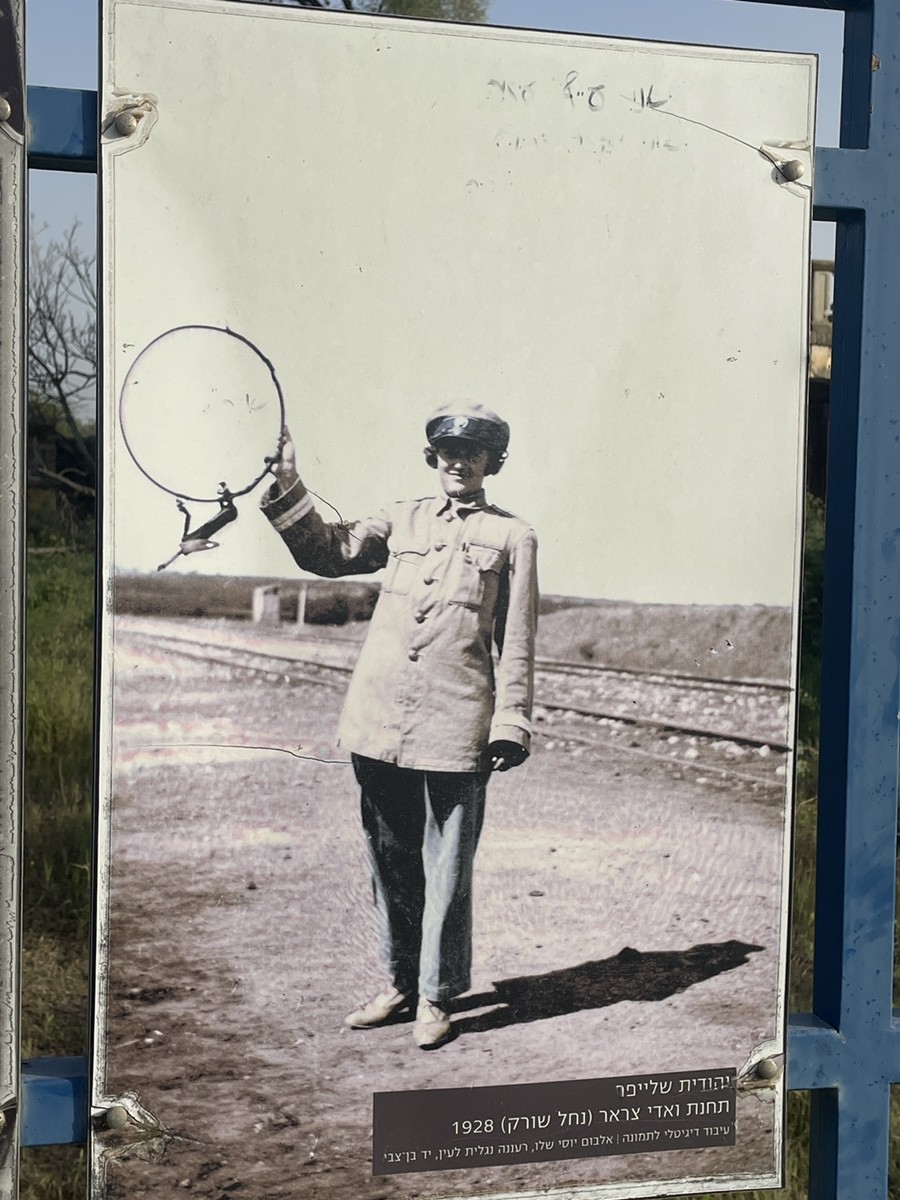

The modern era of Wadi Sarar (Nahal Sorek) opened with a decisive night assault in November 1917, when Indian Rifles seized the junction, severing Ottoman supply lines to Jerusalem. By 1927, the station became home to Yehudit Schleifer and her husband, a railway inspector. Living in the station master's house, they existed within the rigid safety of the "Staff" system. This physical metal wand served as the only guarantee against head-on collisions on the single-track line.
However, Yehudit led a double life as a member of the Haganah. Exploiting her status as a railway wife, she facilitated the transport of weapons hidden in coffins through the station. Her life and the railway were inextricably linked; in 1928, when a passing express train was halted to take her to the hospital, her son Yair was born within the station walls before the train could depart. In 2019, her descendants installed a memorial plaque, ensuring that these stories of birth and resistance are not lost to the encroaching tall grass.
The journey begins in the almond blossoms of Sha'alvim, a landscape rooted in the biblical territory of the Tribe of Dan. The route advances through the strategic Latrun salient to Emmaus-Nicopolis, where Byzantine ruins mark the site of the Resurrection—land preserved through the spiritual visions of Mariam Baouardi and the patronage of Countess Beatrice de Saint-Cricq.
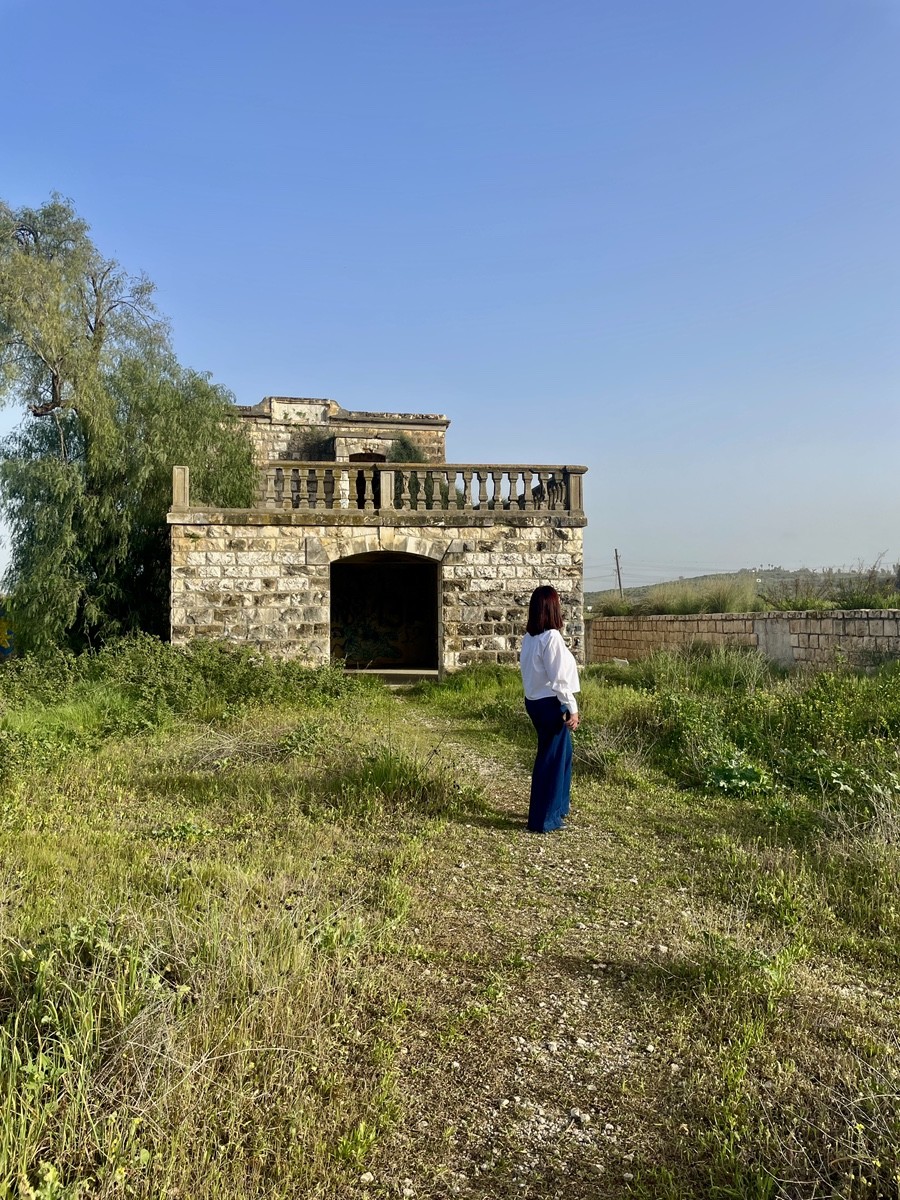
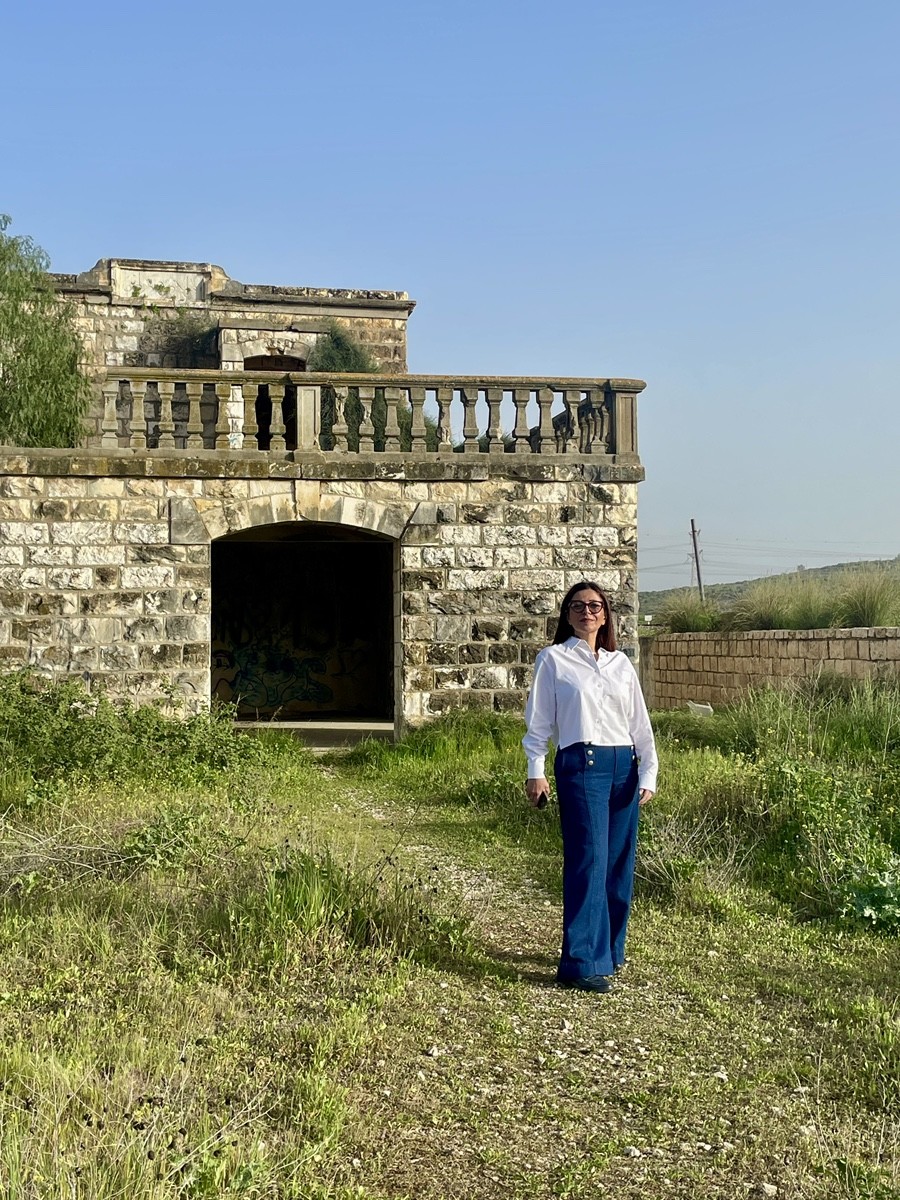
The path culminates at the abandoned Sorek Station, a limestone relic of the Ottoman Empire. Inside, time stands still among concrete staircases and iron veterans: a freight car and a yellow-marked shunting locomotive from the 1990s. A modest monument to Egyptian labourers honours the unsung builders of the WWI era. Today, the silence of these rusted tracks is only broken by the whistle of modern trains, bridging the gap between ancient faith and imperial ruins.