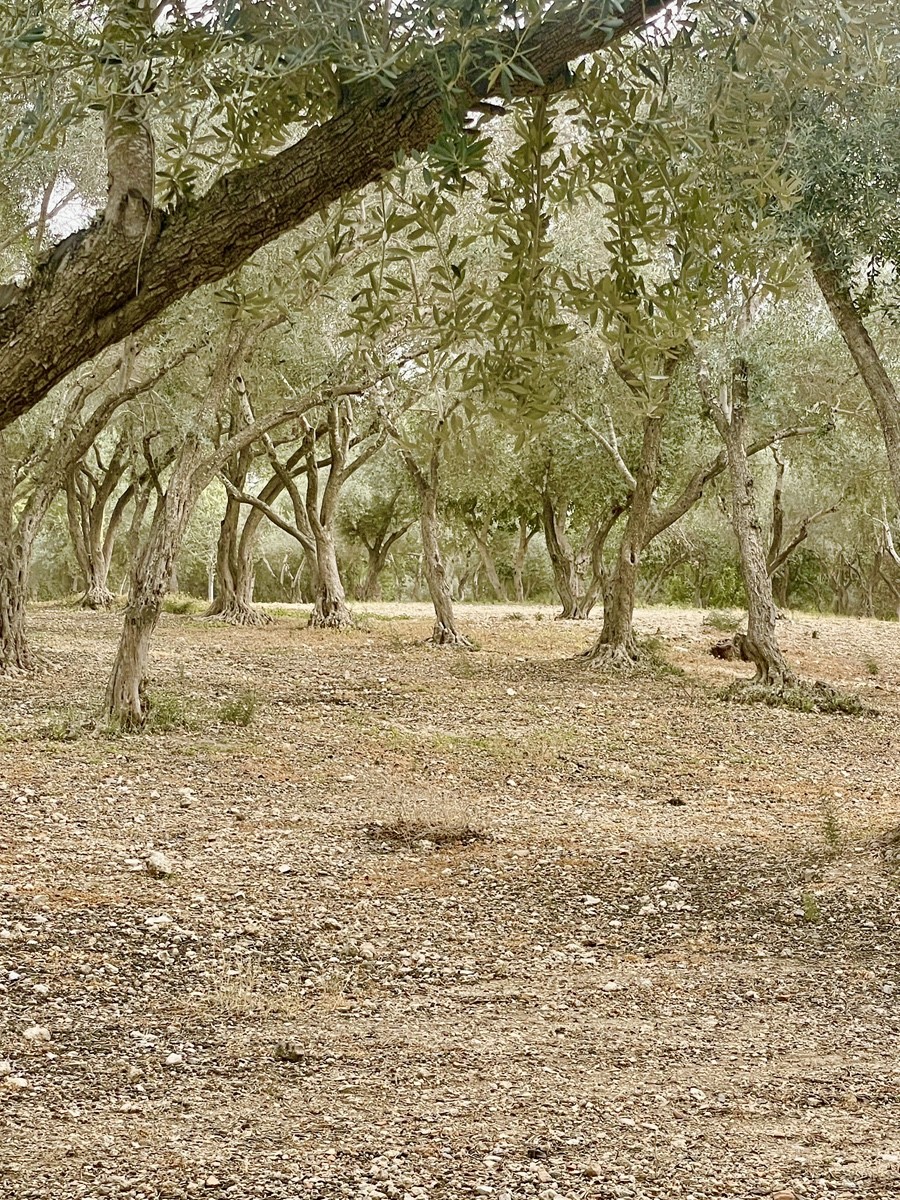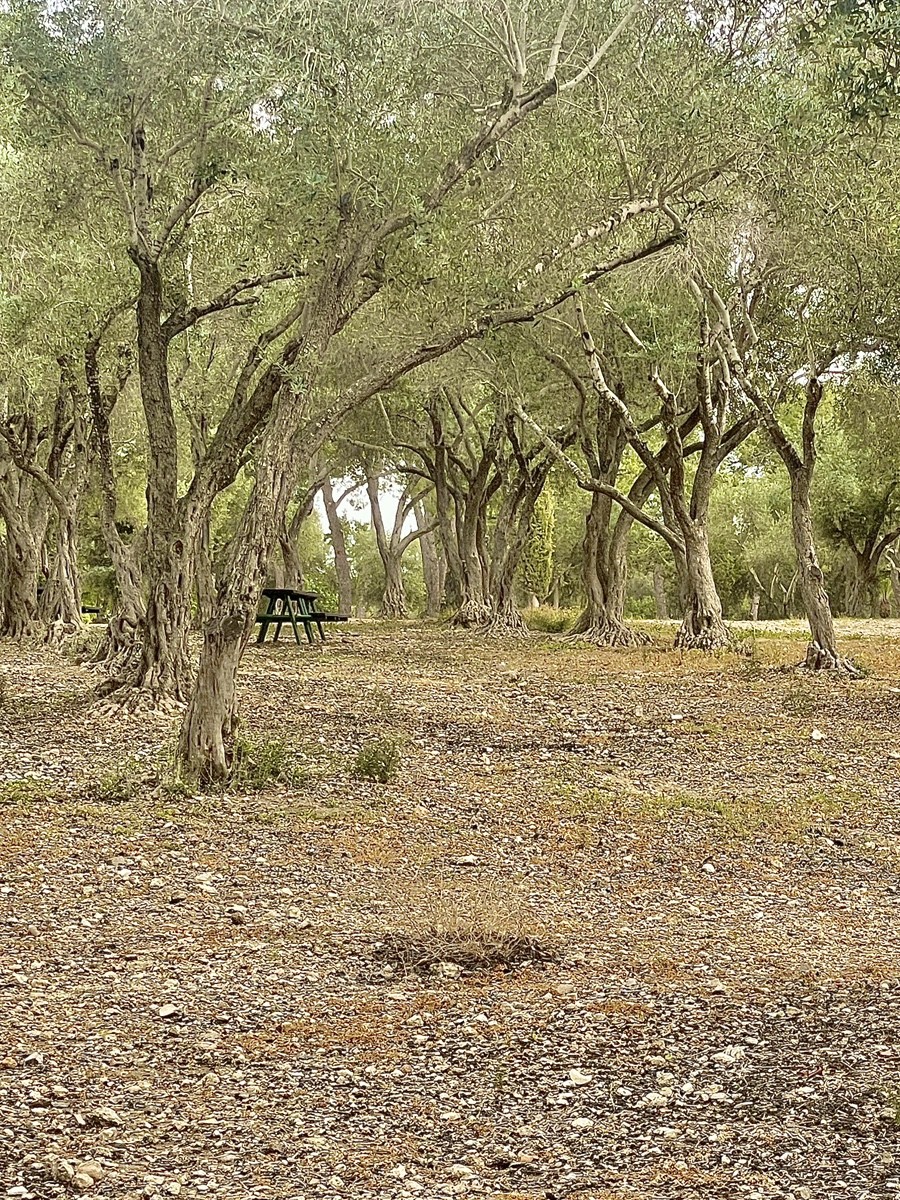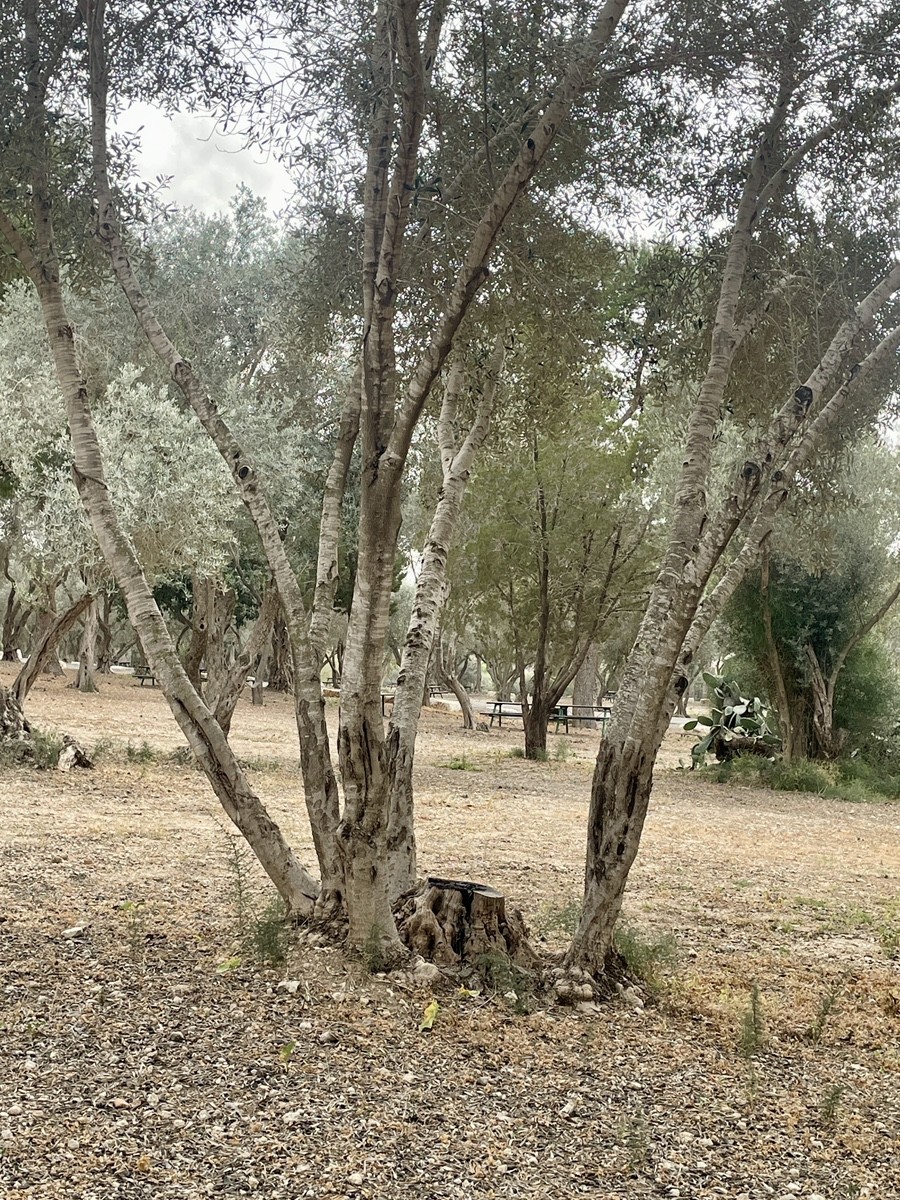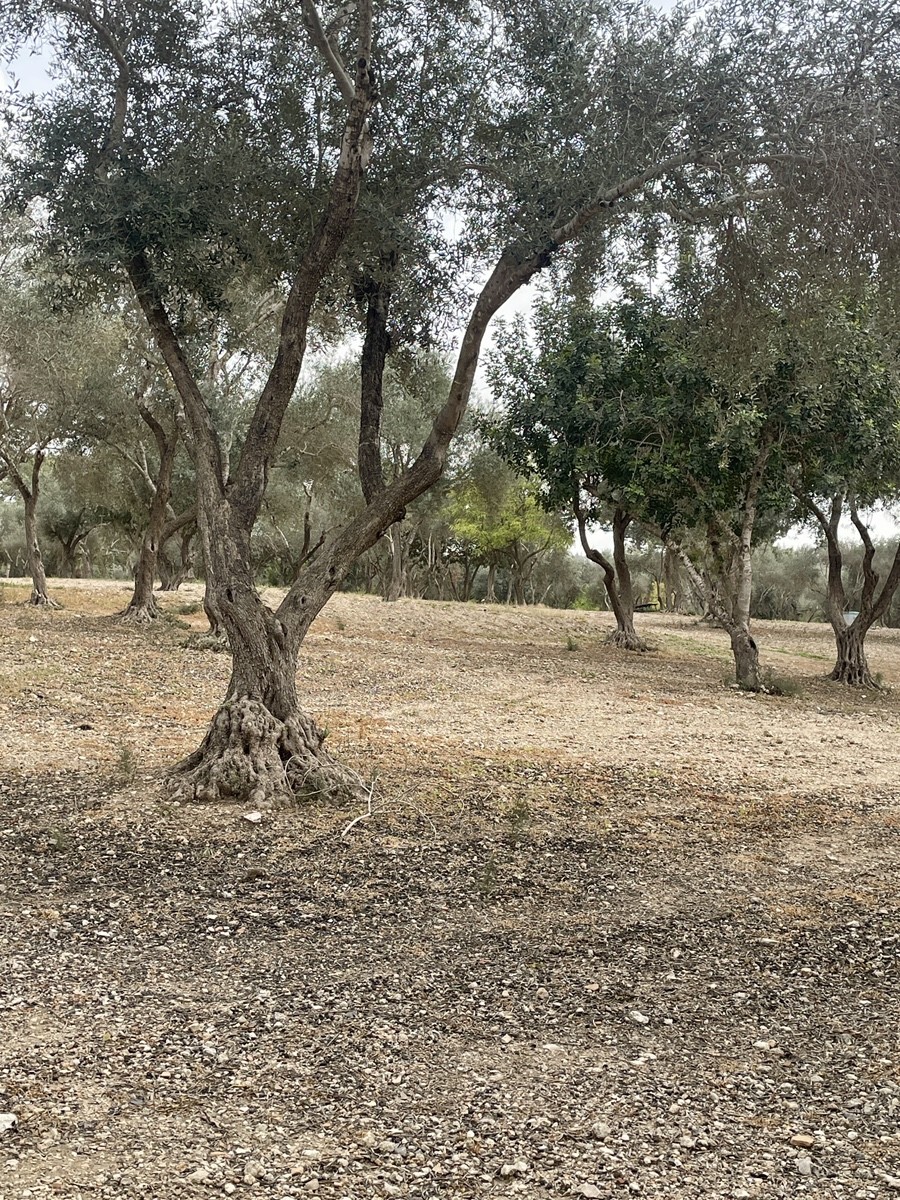

For centuries, olive groves were the economic and social bedrock of Imwas. By 1945, over 600 dunams were dedicated to the "Nabali" variety, prized for its high oil content and drought resistance. The harvest, or jada, was a collective ritual that used traditional stone presses to crush olives and filter them through woven baskets.
Strategically located between the coast and Jerusalem, Imwas served as a vital trade hub. High-quality oil was sold in Jaffa and Jerusalem—often marketed to pilgrims as a "sacred" product of biblical Emmaus—while lower-grade oil supplied the soap factories of Nablus. Throughout the Ottoman and British periods, these groves were more than individual assets; they were often waqf (blessed) property owned by entire family clans (hamulas). To maximise the land, farmers practised intercropping, growing grains between the ancient trees, a method that sustained the village until the mid-20th century.
The journey begins in the almond blossoms of Sha'alvim, a landscape rooted in the biblical territory of the Tribe of Dan. The route advances through the strategic Latrun salient to Emmaus-Nicopolis, where Byzantine ruins mark the site of the Resurrection—land preserved through the spiritual visions of Mariam Baouardi and the patronage of Countess Beatrice de Saint-Cricq.
The path culminates at the abandoned Sorek Station, a limestone relic of the Ottoman Empire. Inside, time stands still among concrete staircases and iron veterans: a freight car and a yellow-marked shunting locomotive from the 1990s. A modest monument to Egyptian labourers honours the unsung builders of the WWI era. Today, the silence of these rusted tracks is only broken by the whistle of modern trains, bridging the gap between ancient faith and imperial ruins.