
The history of Palestine's railways is a chronicle of a remote province transforming into a strategic global hub. The tracks at Nahal Sorek bear the "scars" of three distinct eras:
The Ottoman Ambition (1890–1914): Early lines were driven by prestige and pilgrimage. The Jaffa-Jerusalem (J&J) line (1892) was a private French venture that used a narrow 1000mm gauge to conquer the Judean Hills, reducing a two-day wagon journey to just four hours.
The Great War Race (1914–1918): Railways became weapons. To strike the Suez Canal, Ottoman and German engineers built a southern branch from Wadi Sarar toward Be'er Sheva, even cannibalising rails from the J&J line. When the British captured the junction, they converted the network to the Standard European Gauge (1435mm), physically integrating Egypt and Palestine.
The British Mandate Golden Age (1920–1948): Under Palestine Railways (PR), the "Life Line" from Haifa to Cairo allowed seamless travel from the Levant to Africa. While it was a period of modernisation and the region's largest employer, the network eventually became a target of underground resistance (Haganah, Etzel, Lehi), culminating in the dramatic "Night of the Bridges."
Wadi Sarar was the literal heart of this evolution—the decision point where a train would turn either toward the pyramids of the South or the holy sites of the East.
The journey begins in the almond blossoms of Sha'alvim, a landscape rooted in the biblical territory of the Tribe of Dan. The route advances through the strategic Latrun salient to Emmaus-Nicopolis, where Byzantine ruins mark the site of the Resurrection—land preserved through the spiritual visions of Mariam Baouardi and the patronage of Countess Beatrice de Saint-Cricq.
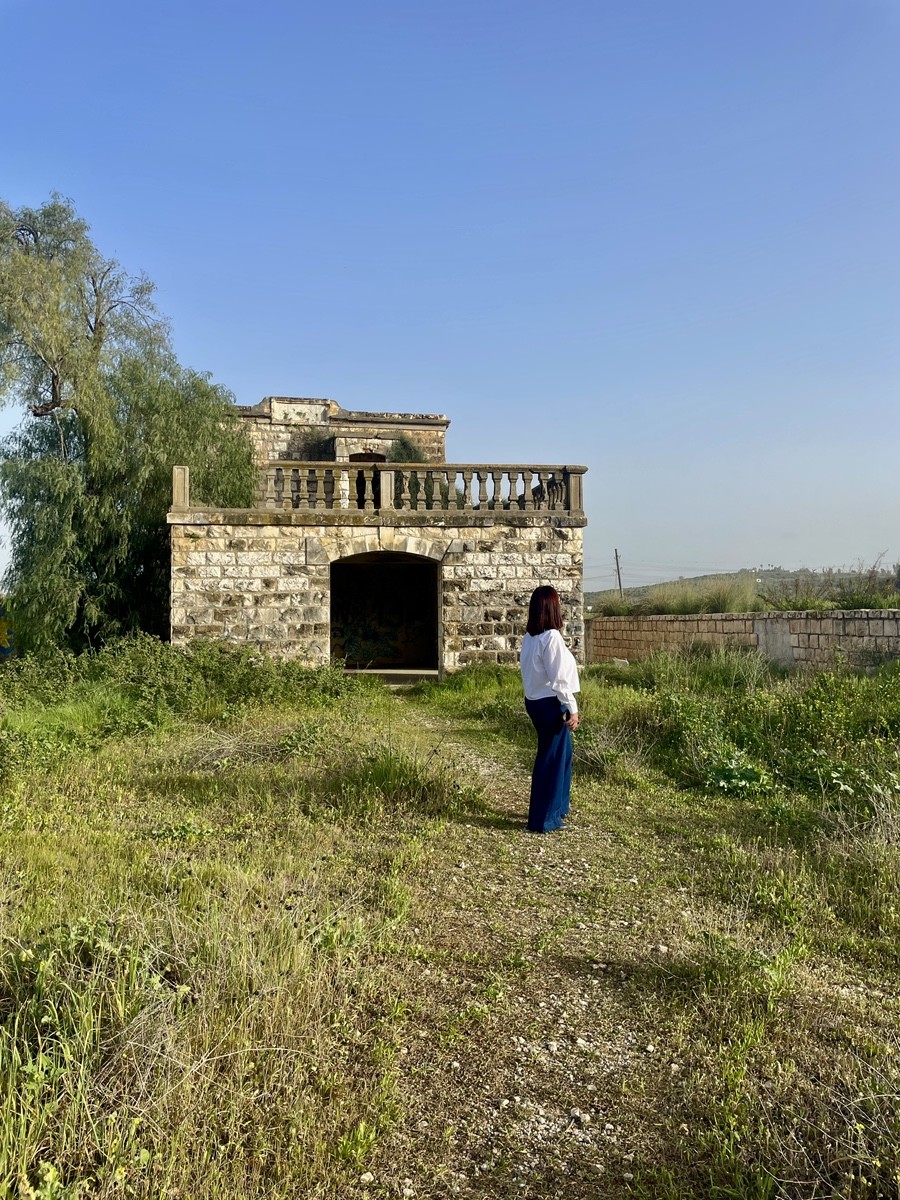
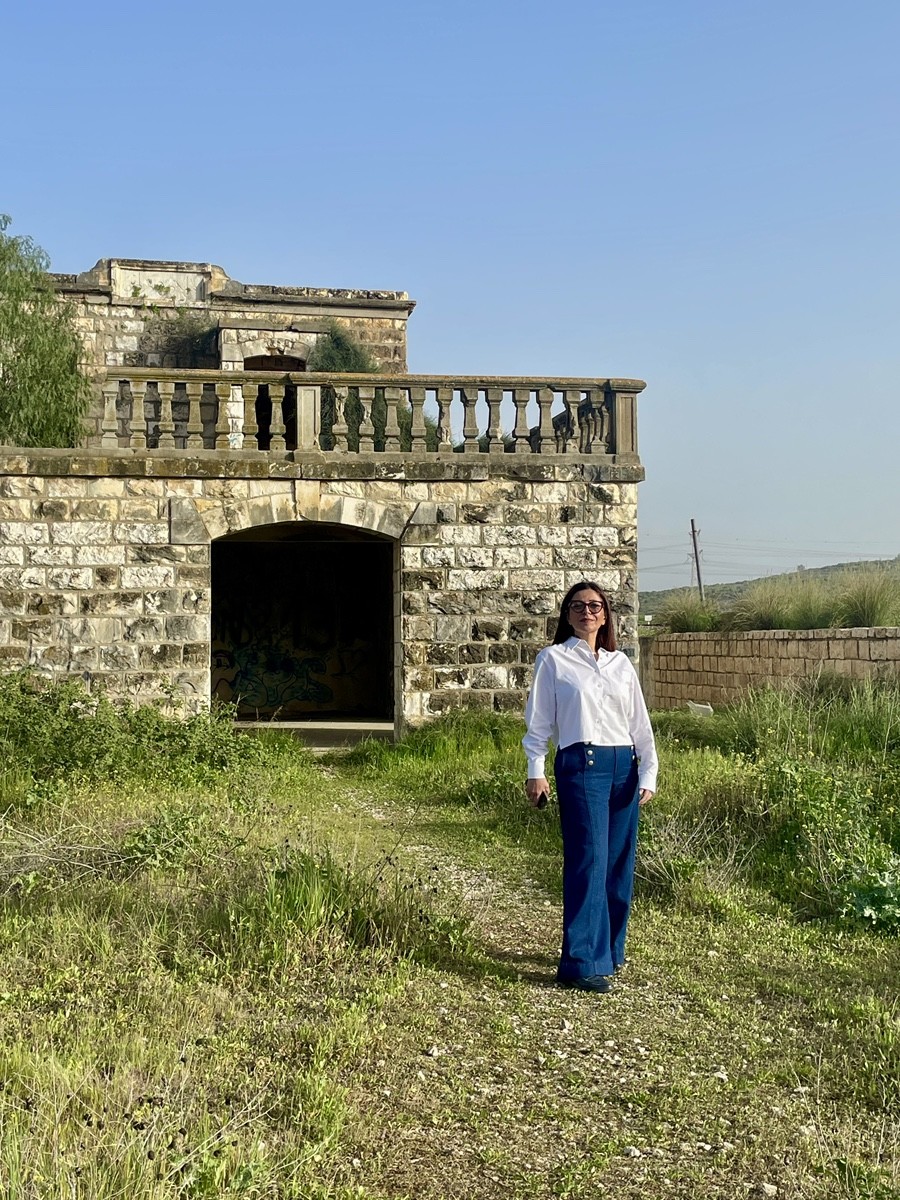
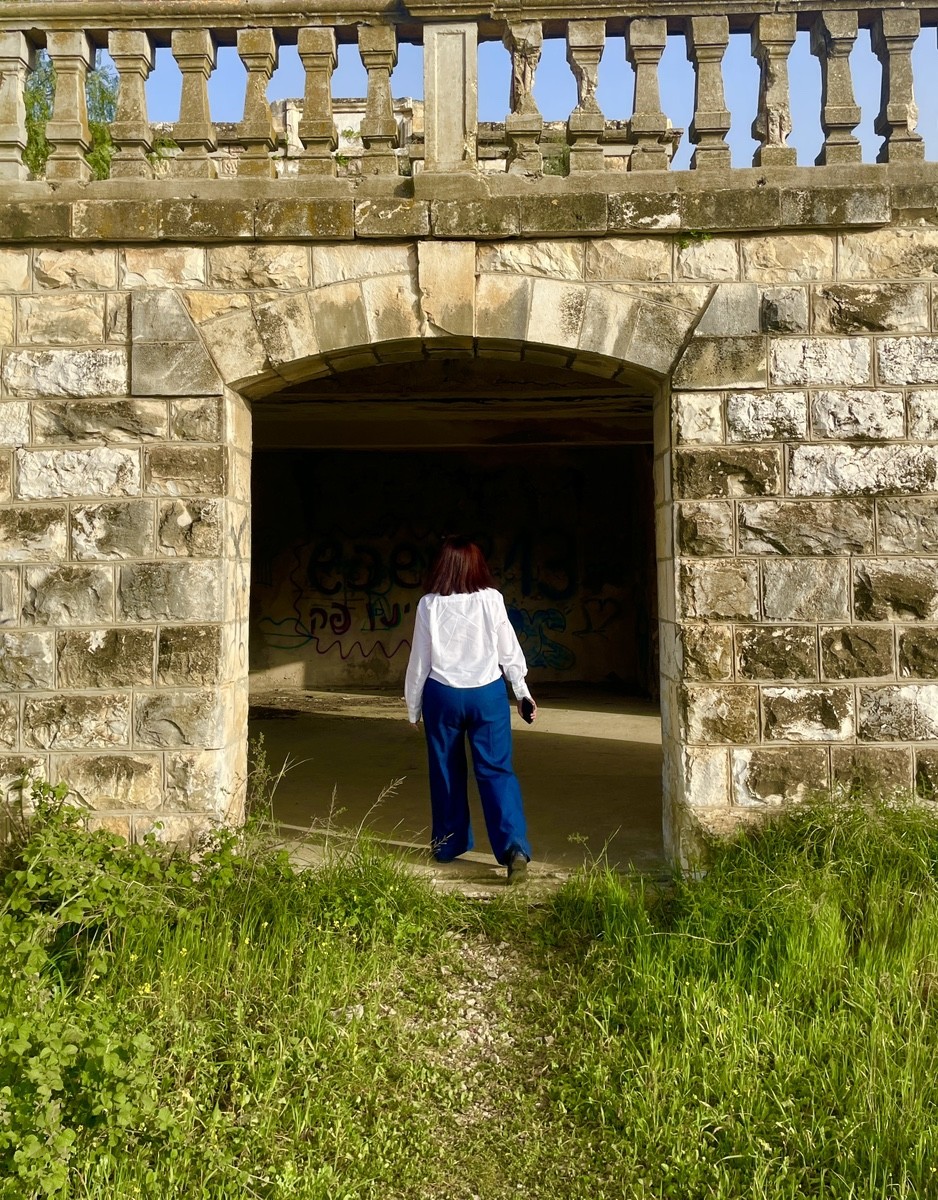
The path culminates at the abandoned Sorek Station, a limestone relic of the Ottoman Empire. Inside, time stands still among concrete staircases and iron veterans: a freight car and a yellow-marked shunting locomotive from the 1990s. A modest monument to Egyptian labourers honours the unsung builders of the WWI era. Today, the silence of these rusted tracks is only broken by the whistle of modern trains, bridging the gap between ancient faith and imperial ruins.