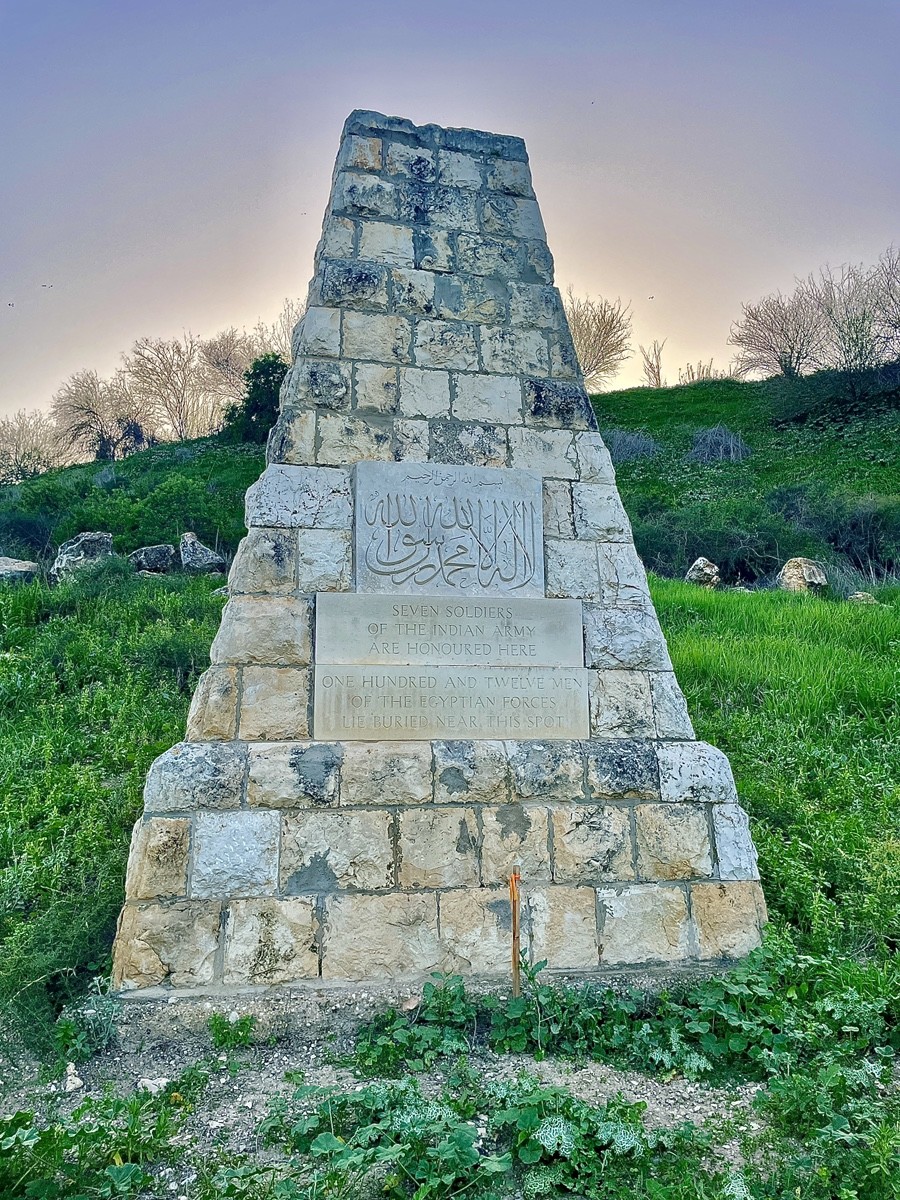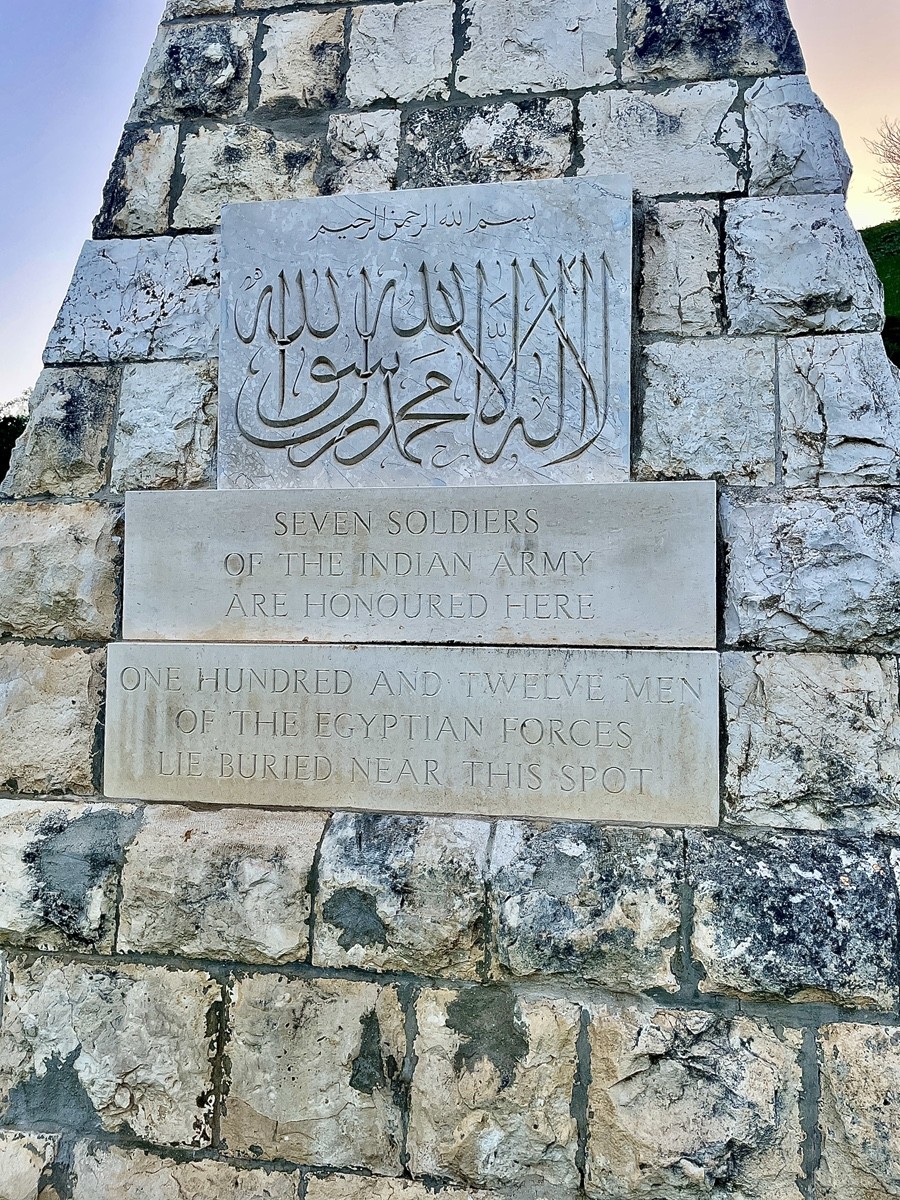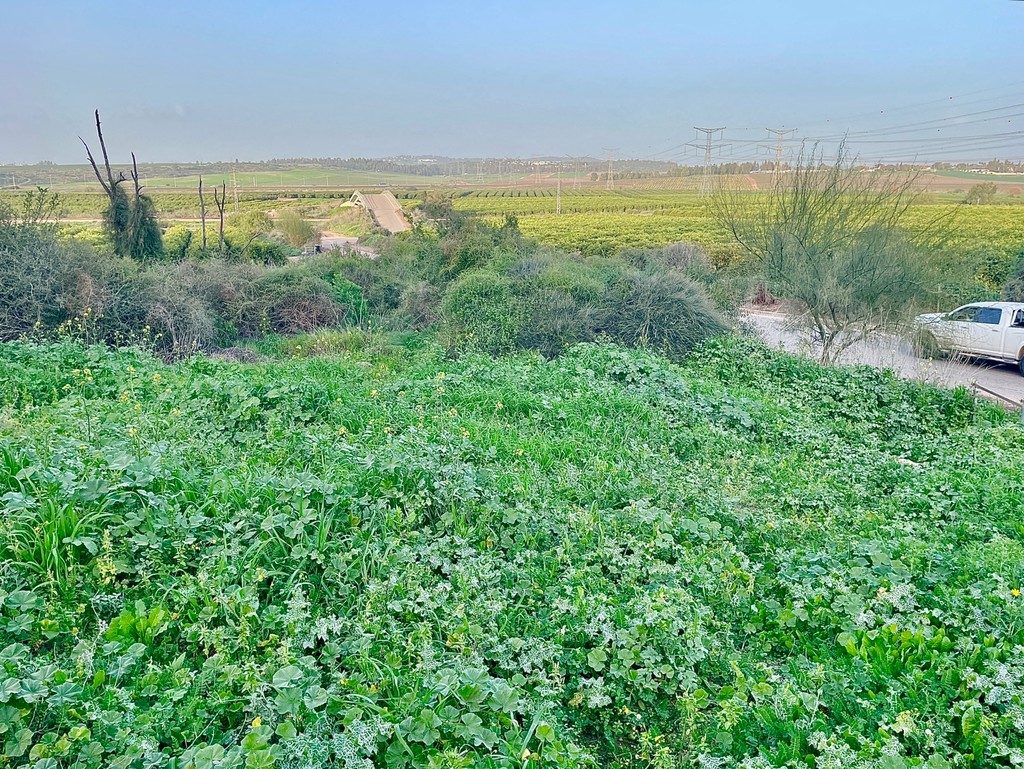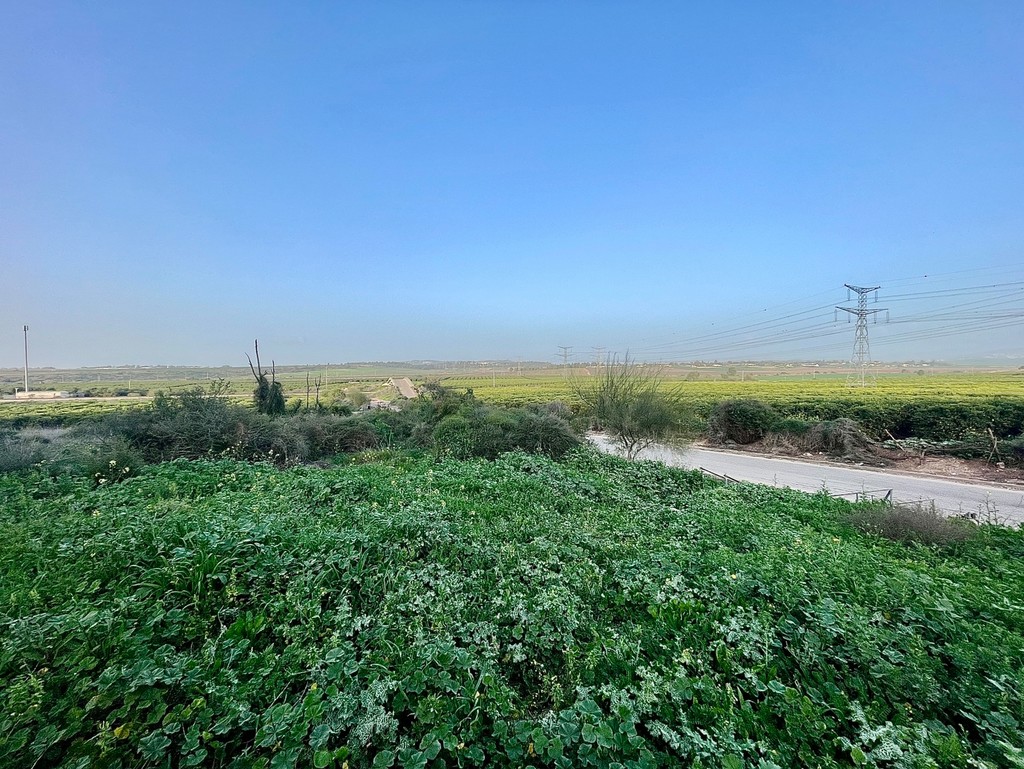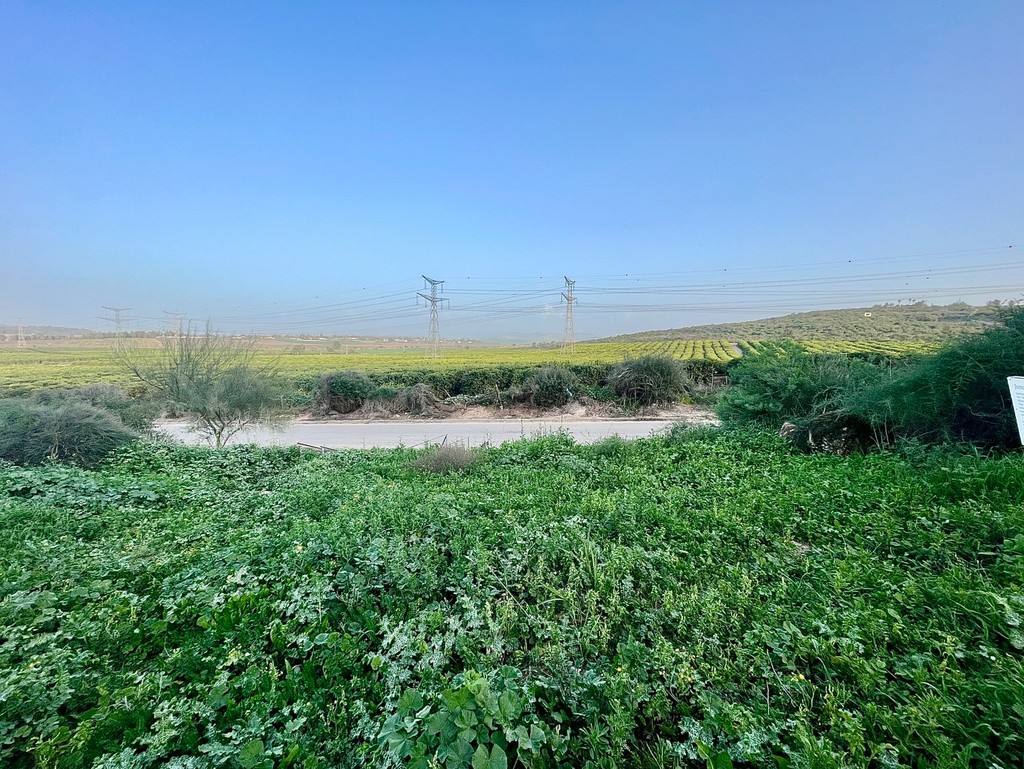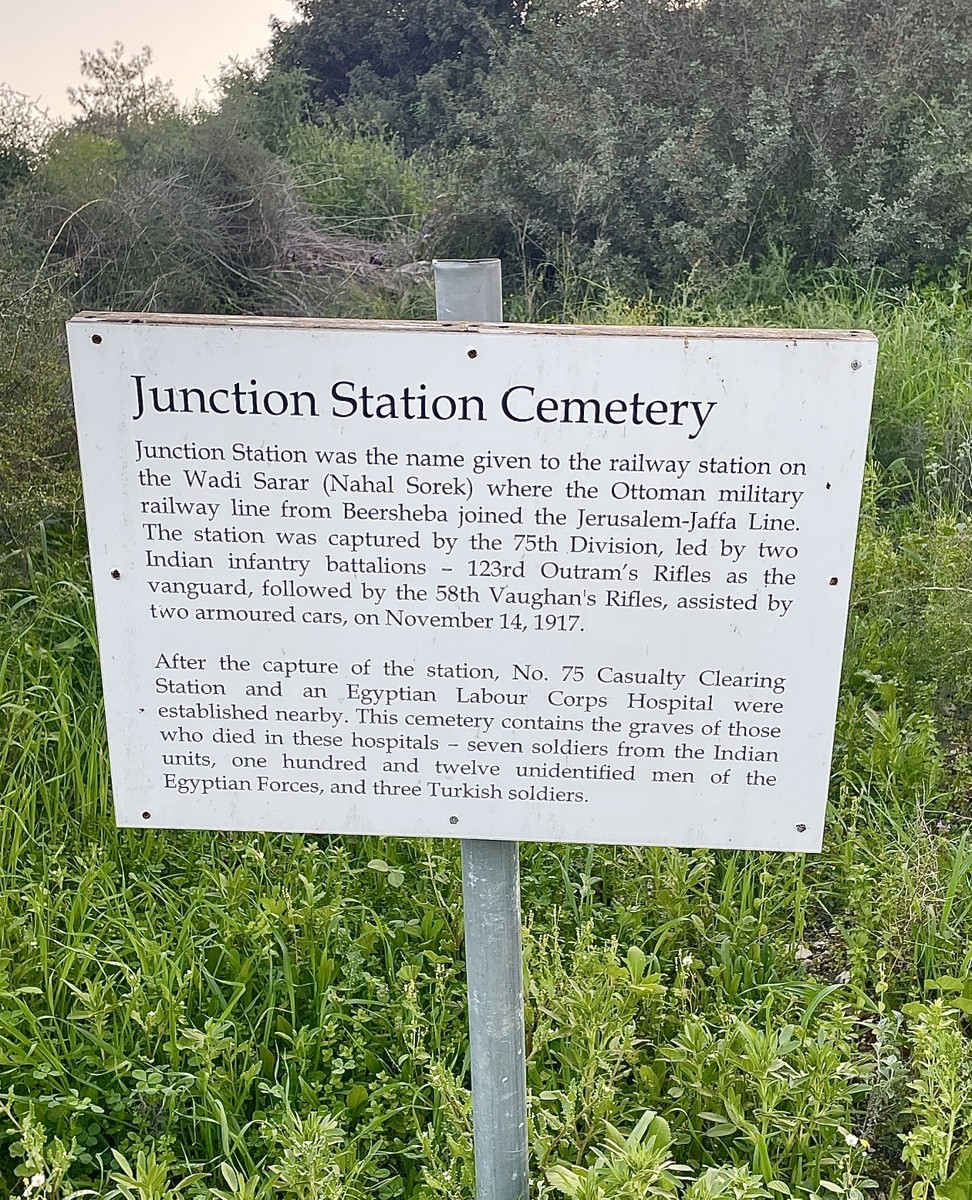

The Wadi Sarar (Nahal Sorek) station serves as a grim monument to the unsung backbone of the British Empire: the Egyptian Labour Corps and Indian supply units. In late 1917, these men were the "living conveyor belt" that laid the tracks toward Jerusalem. For the Empire, they were mere workforce; for the winter, they were prey. Dying not from bullets but from the lethal combination of hunger, exposure, and the freezing rains of the Judean Hills, they were often buried without names—recorded only as numbers in a colonial ledger.
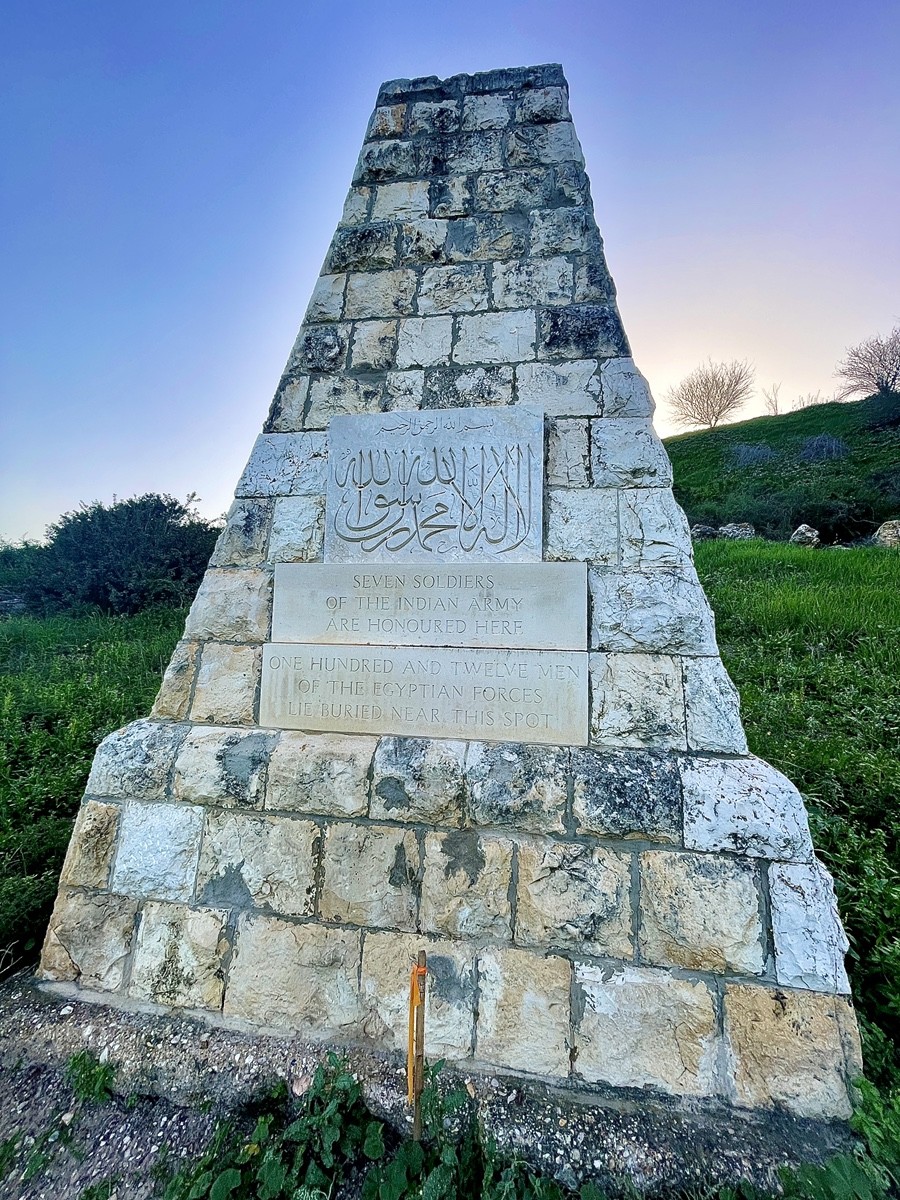
The modest limestone pyramid standing there today is a rare intersection of histories. Topped with the Shahada in elegant Arabic script, it commemorates 112 Egyptians and 7 Indians—the documented few among thousands who perished. The brutal treatment of these labourers, many of whom were forcibly conscripted through village headmen (omdas), later became the spark for the 1919 Egyptian Revolution. Restored in 2021 by Indian and CWGC delegations, the stone stands as a silent witness to the moment when the "numbers" finally reclaimed their place in the Sorek Valley landscape.
The journey begins in the almond blossoms of Sha'alvim, a landscape rooted in the biblical territory of the Tribe of Dan. The route advances through the strategic Latrun salient to Emmaus-Nicopolis, where Byzantine ruins mark the site of the Resurrection—land preserved through the spiritual visions of Mariam Baouardi and the patronage of Countess Beatrice de Saint-Cricq.
The path culminates at the abandoned Sorek Station, a limestone relic of the Ottoman Empire. Inside, time stands still among concrete staircases and iron veterans: a freight car and a yellow-marked shunting locomotive from the 1990s. A modest monument to Egyptian labourers honours the unsung builders of the WWI era. Today, the silence of these rusted tracks is only broken by the whistle of modern trains, bridging the gap between ancient faith and imperial ruins.