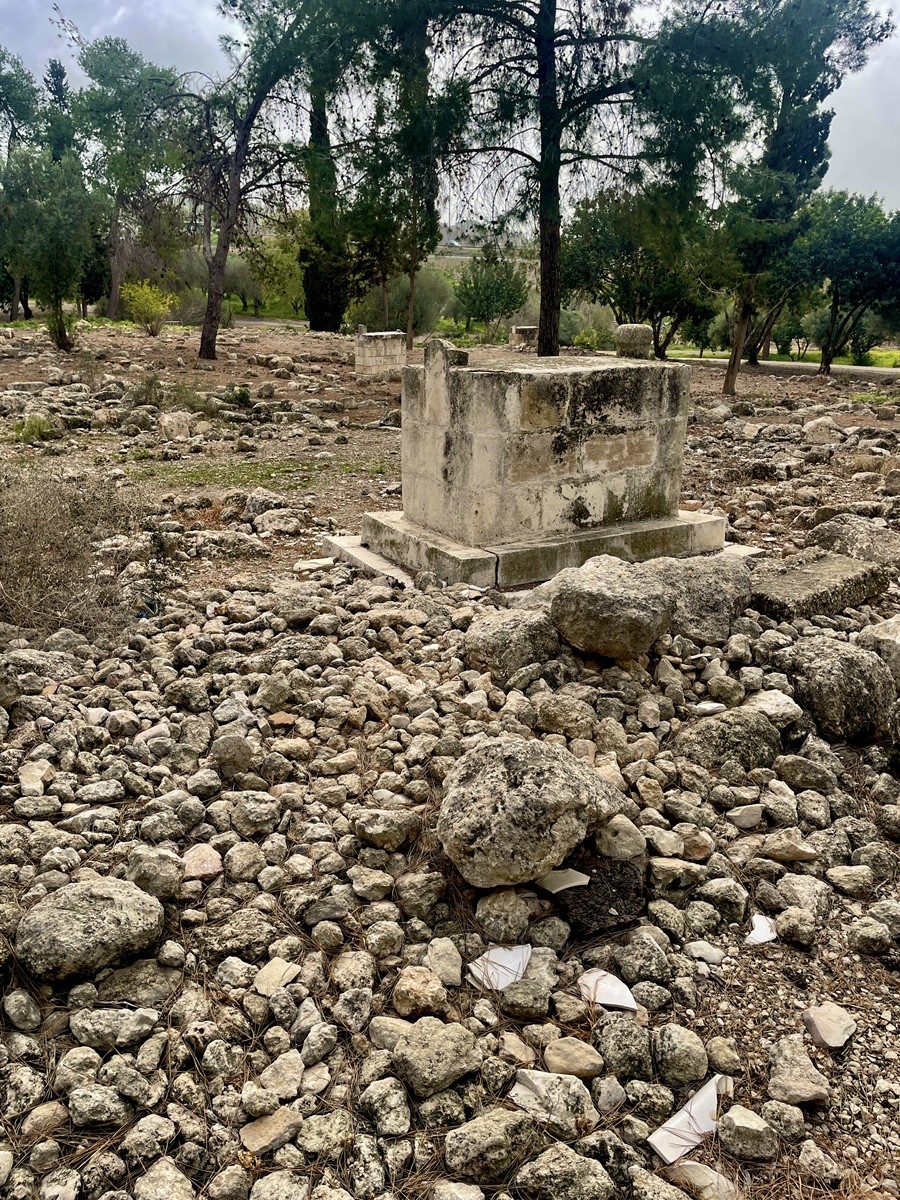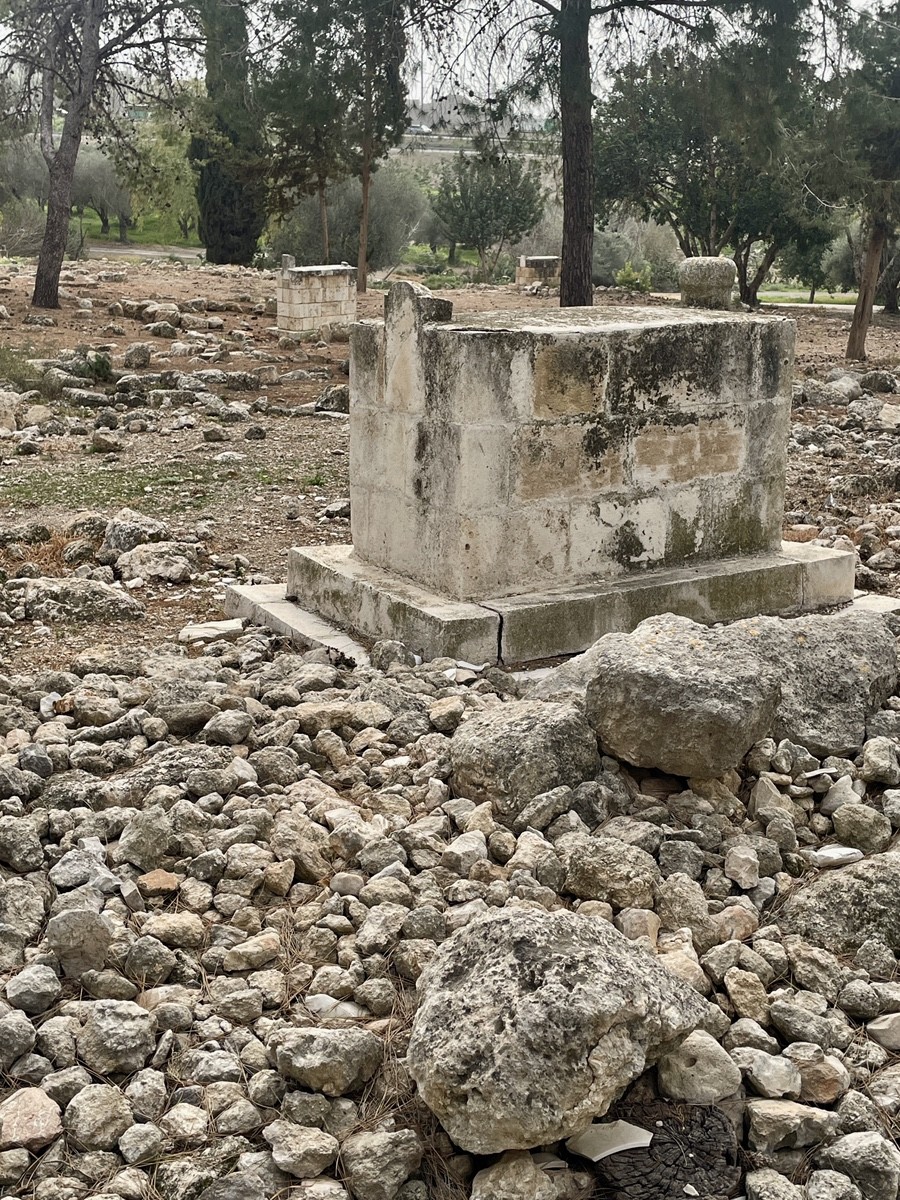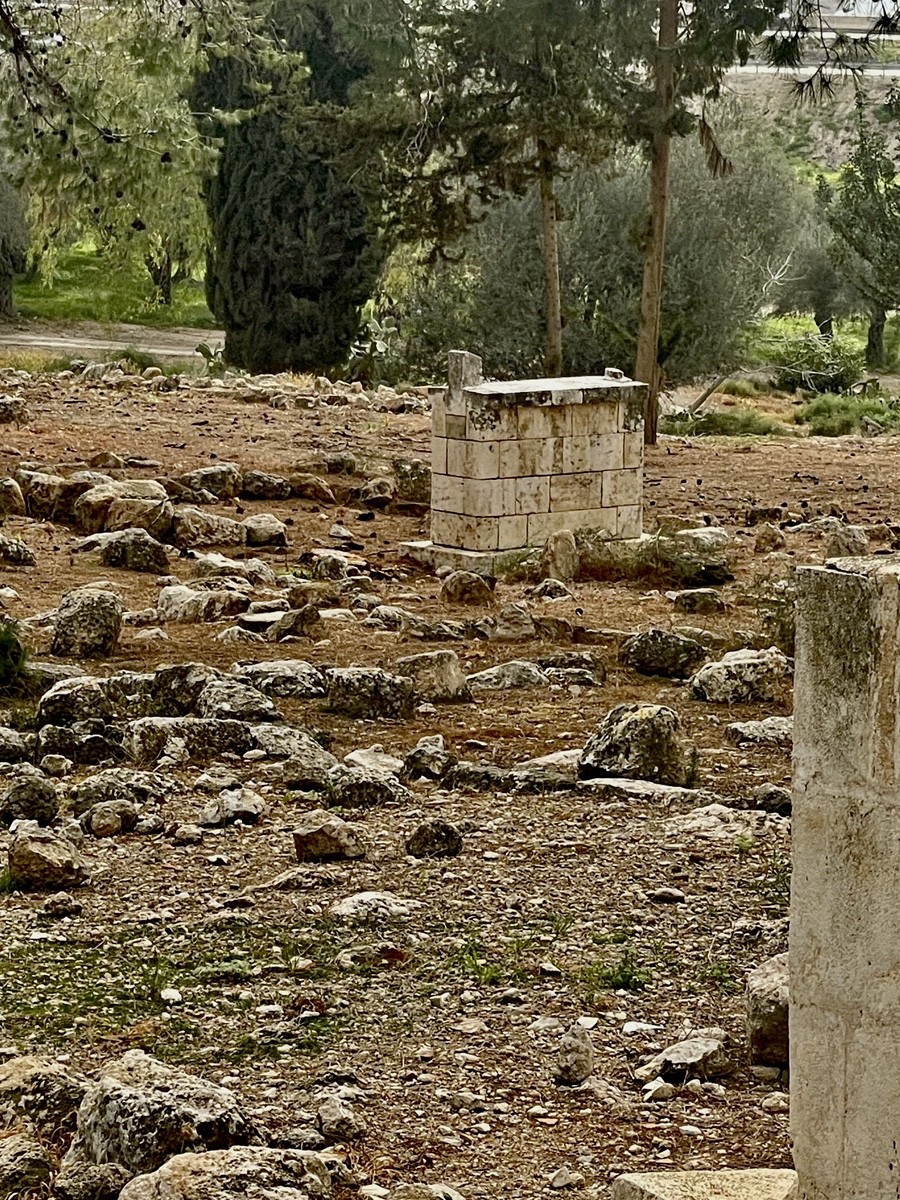

The Maqam of Sheikh Mualla stands as one of the few structures spared by bulldozers in 1967, reflecting a military policy to avoid destroying religious sites. While the current building dates to the Late Ottoman period, local tradition venerates the Sheikh as a patron saint from the 7th-century Arab conquest. Before the village’s destruction, residents gathered here to pray for healing and divine intercession.
The maqam is inseparable from the surrounding cemetery and the memory of the Plague of Amwas (639 CE). This catastrophic epidemic claimed the lives of thousands of early Islamic soldiers, including companions of the Prophet Muhammad. This historical weight confers profound sanctity on the entire site, preserving the spiritual identity of Imwas even after its physical disappearance.
The journey begins in the almond blossoms of Sha'alvim, a landscape rooted in the biblical territory of the Tribe of Dan. The route advances through the strategic Latrun salient to Emmaus-Nicopolis, where Byzantine ruins mark the site of the Resurrection—land preserved through the spiritual visions of Mariam Baouardi and the patronage of Countess Beatrice de Saint-Cricq.
The path culminates at the abandoned Sorek Station, a limestone relic of the Ottoman Empire. Inside, time stands still among concrete staircases and iron veterans: a freight car and a yellow-marked shunting locomotive from the 1990s. A modest monument to Egyptian labourers honours the unsung builders of the WWI era. Today, the silence of these rusted tracks is only broken by the whistle of modern trains, bridging the gap between ancient faith and imperial ruins.