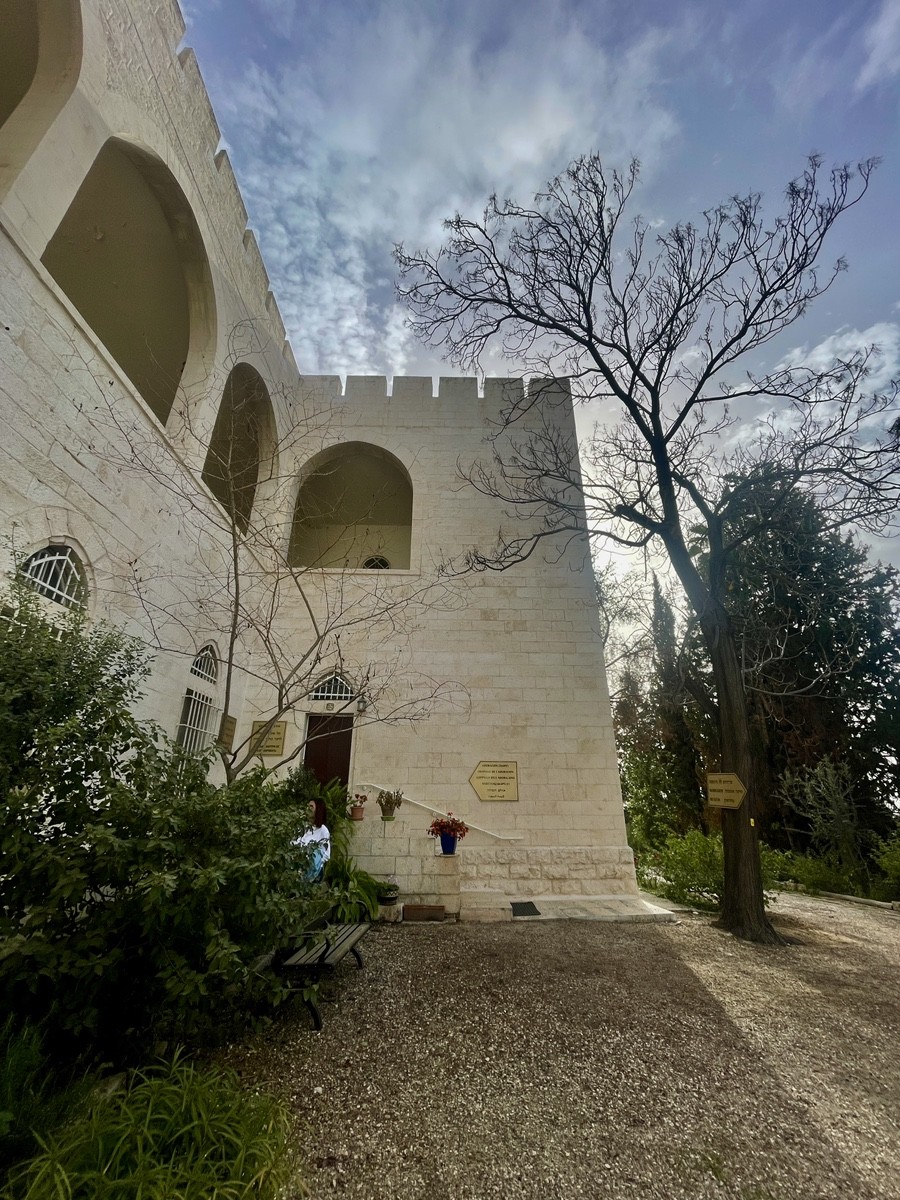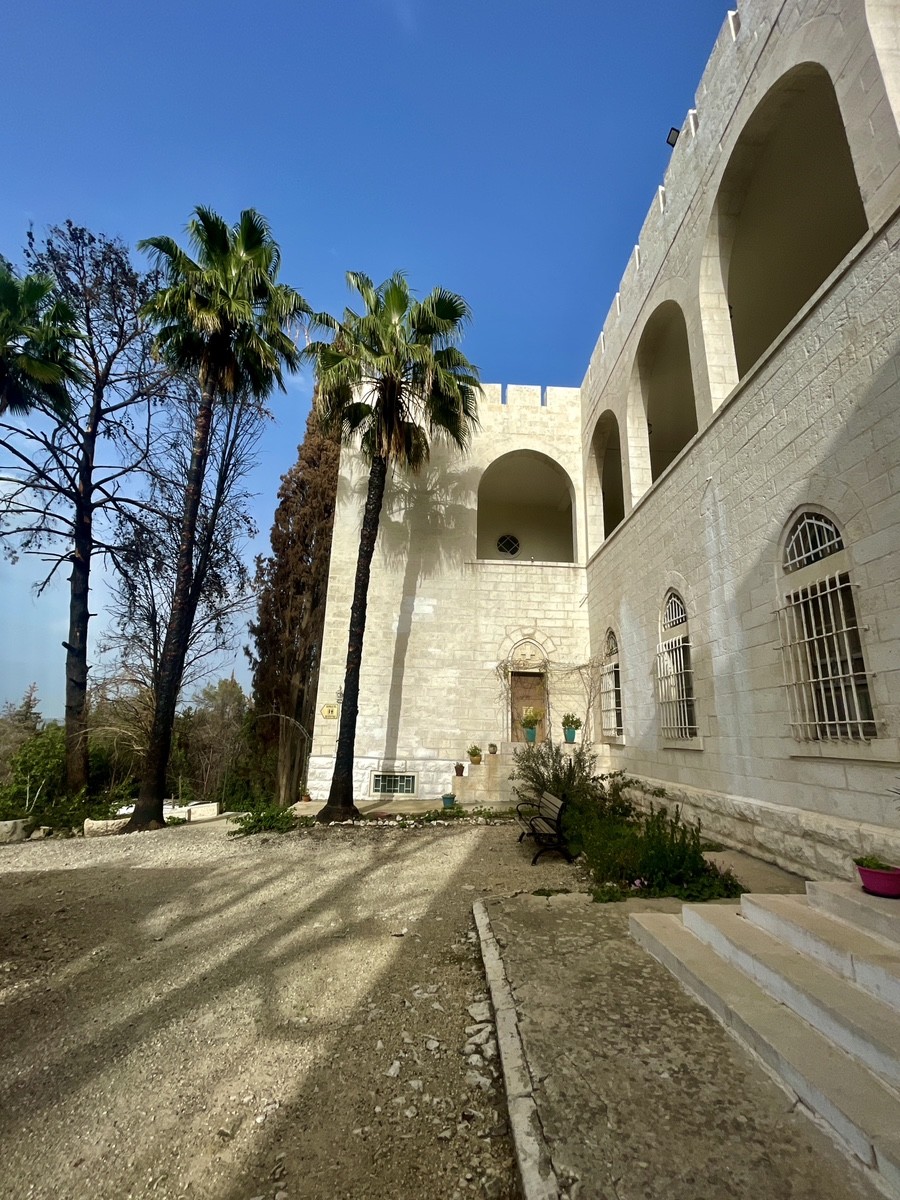

The modern presence in Emmaus-Nicopolis is a product of the 19th-century European movement to reclaim Christian holy sites in the Ottoman Empire. Central to this story is Mariam Baouardi (Saint Mary of Jesus Crucified), a Carmelite nun who, in 1878, claimed a divine revelation identifying the ruins of Imwas as the authentic biblical Emmaus.
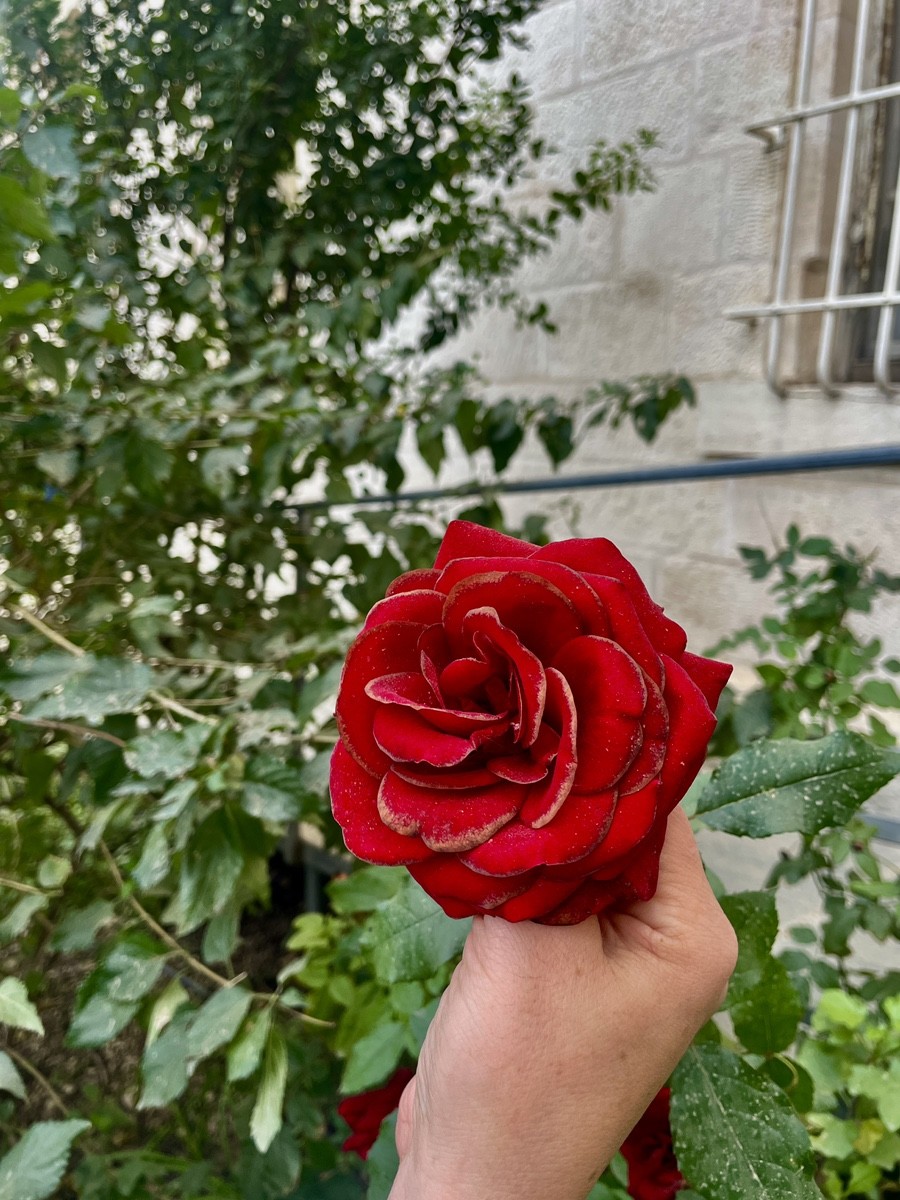
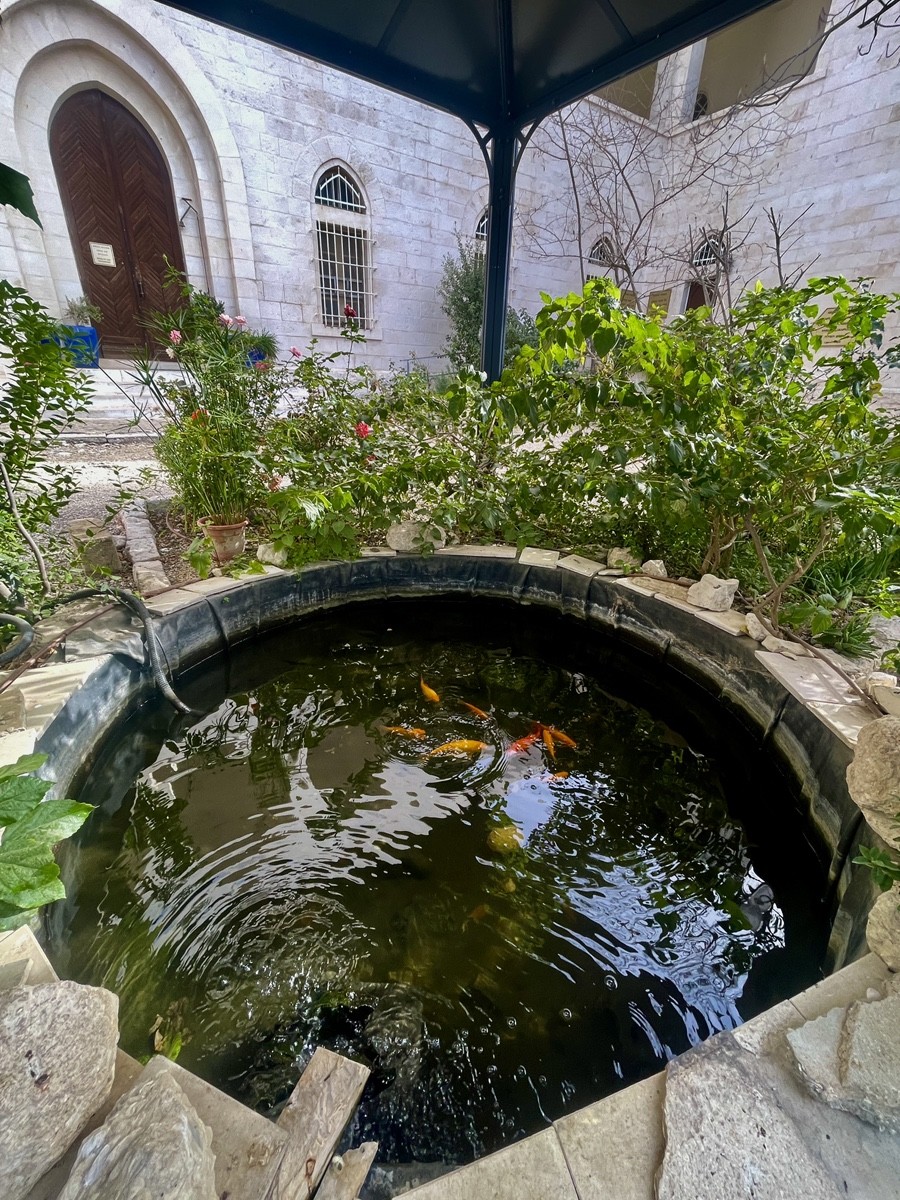
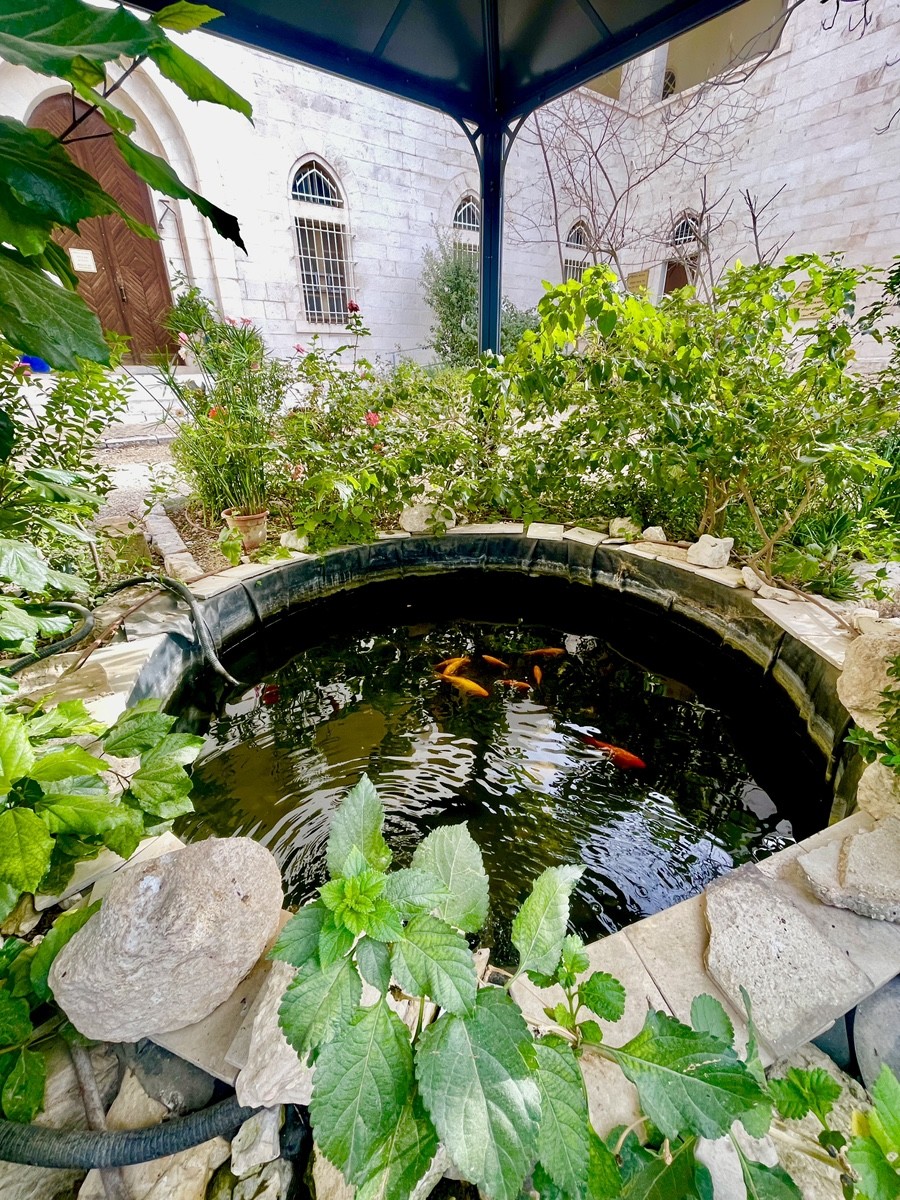
Her vision prompted French benefactors and the Latin Patriarchate of Jerusalem to purchase the land, sparking a century of professional archaeological work by the École Biblique. They uncovered the Byzantine mosaics and the foundations of the grand basilica, transforming a fellahin village into an international pilgrimage site. Since 1993, the complex has been maintained by the Community of the Beatitudes, a Catholic movement that bridges monastic and lay life. Today, the monastery stands as the only inhabited "island" amidst the former village ruins, where carefully tended rose gardens and multilingual plaques serve as a living link between ancient tradition and modern faith.
The journey begins in the almond blossoms of Sha'alvim, a landscape rooted in the biblical territory of the Tribe of Dan. The route advances through the strategic Latrun salient to Emmaus-Nicopolis, where Byzantine ruins mark the site of the Resurrection—land preserved through the spiritual visions of Mariam Baouardi and the patronage of Countess Beatrice de Saint-Cricq.
The path culminates at the abandoned Sorek Station, a limestone relic of the Ottoman Empire. Inside, time stands still among concrete staircases and iron veterans: a freight car and a yellow-marked shunting locomotive from the 1990s. A modest monument to Egyptian labourers honours the unsung builders of the WWI era. Today, the silence of these rusted tracks is only broken by the whistle of modern trains, bridging the gap between ancient faith and imperial ruins.