
The Latrun Salient is a strategic high ground in the Ayalon Valley that historically dictated the flow of supplies between Tel Aviv and Jerusalem. In May 1948, following the British withdrawal, the Jordanian Arab Legion seized the Tegart fort, effectively blockading 100,000 Jewish residents in Jerusalem. Despite five or six gruelling assaults by the 7th Brigade and Alexandroni units—in which future Prime Minister Ariel Sharon was severely wounded—the fort remained impenetrable.
To bypass this stronghold, Israeli forces carved the "Burma Road" through the mountains to break the siege. Following the 1949 Rhodes Agreement, Latrun remained a Jordanian enclave surrounded by a no-man's land until the 1967 Six-Day War, when the IDF captured it in a matter of hours. Today, the blood-soaked soil of this former battlefield is home to Canada Park and Yad La-Shiryon, one of the world's largest tank museums housed in the very fort that once triggered a national crisis.
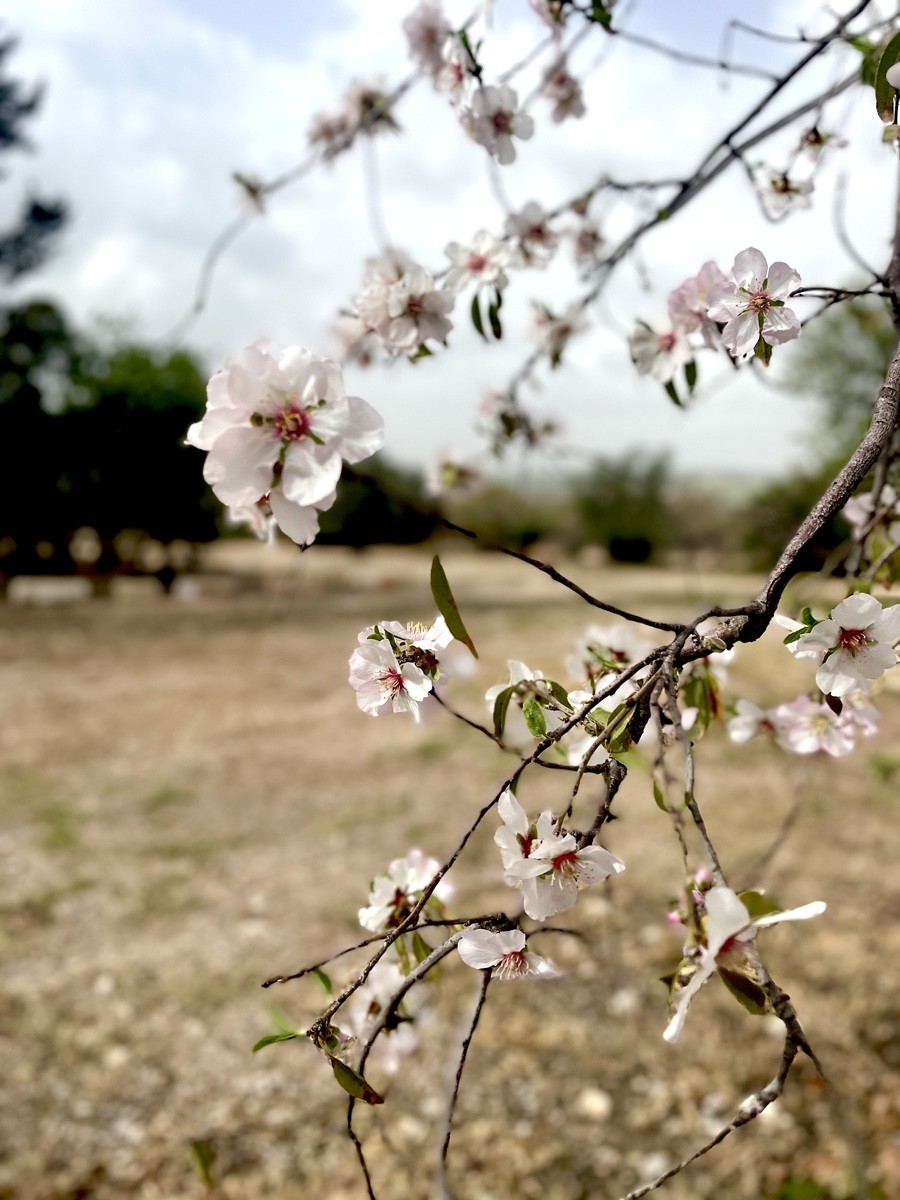
The journey begins in the almond blossoms of Sha'alvim, a landscape rooted in the biblical territory of the Tribe of Dan. The route advances through the strategic Latrun salient to Emmaus-Nicopolis, where Byzantine ruins mark the site of the Resurrection—land preserved through the spiritual visions of Mariam Baouardi and the patronage of Countess Beatrice de Saint-Cricq.
The path culminates at the abandoned Sorek Station, a limestone relic of the Ottoman Empire. Inside, time stands still among concrete staircases and iron veterans: a freight car and a yellow-marked shunting locomotive from the 1990s. A modest monument to Egyptian labourers honours the unsung builders of the WWI era. Today, the silence of these rusted tracks is only broken by the whistle of modern trains, bridging the gap between ancient faith and imperial ruins.