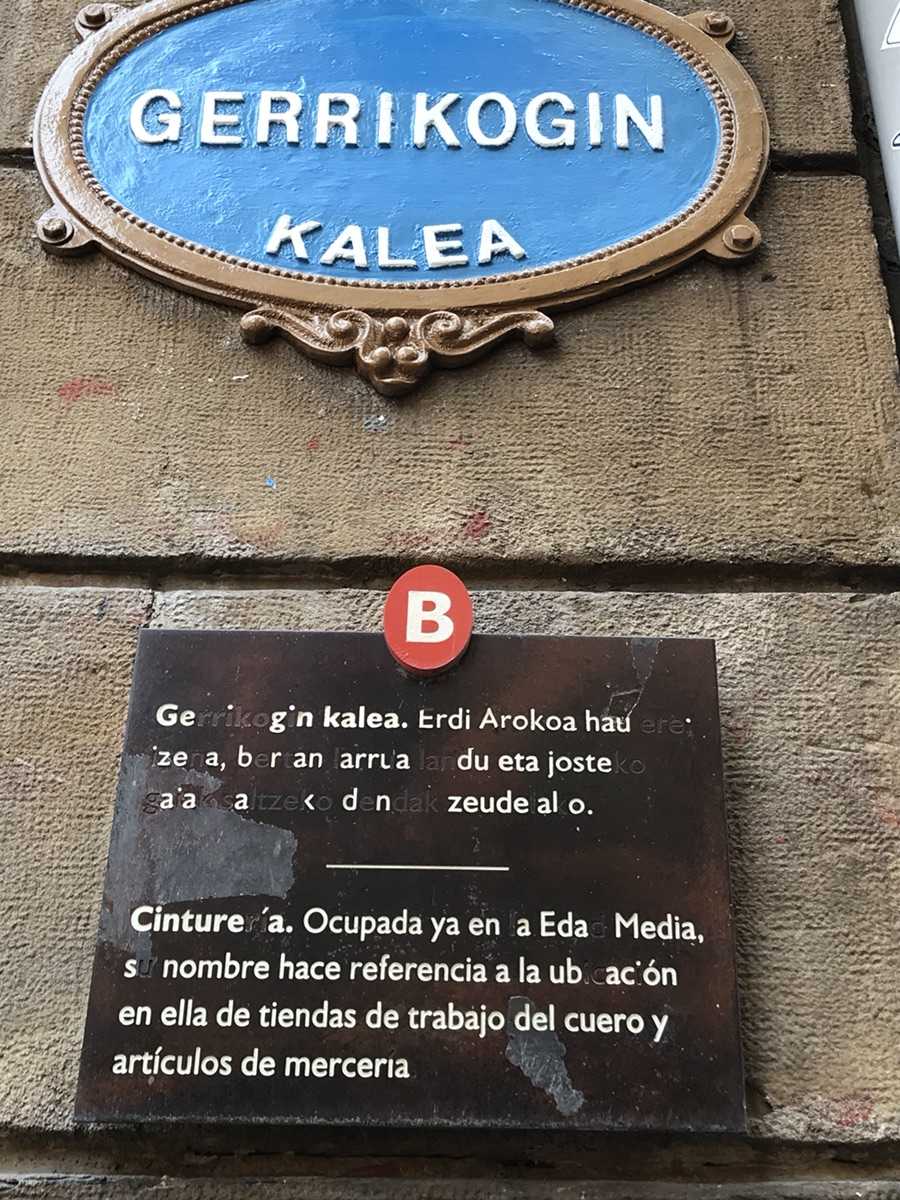

Gerrikogin Kalea — known in Spanish as Cinturería — is the old leather-workers’ street. Its name says exactly what once happened here: this was the place of belts, straps, and anything shaped by hand from tough, durable hides. The workshops lined the ground floors, their doors open to the street. You would have smelled leather and hot wax, heard the tap of hammers and the ring of metal buckles as craftsmen stitched belts, purses, and harnesses.
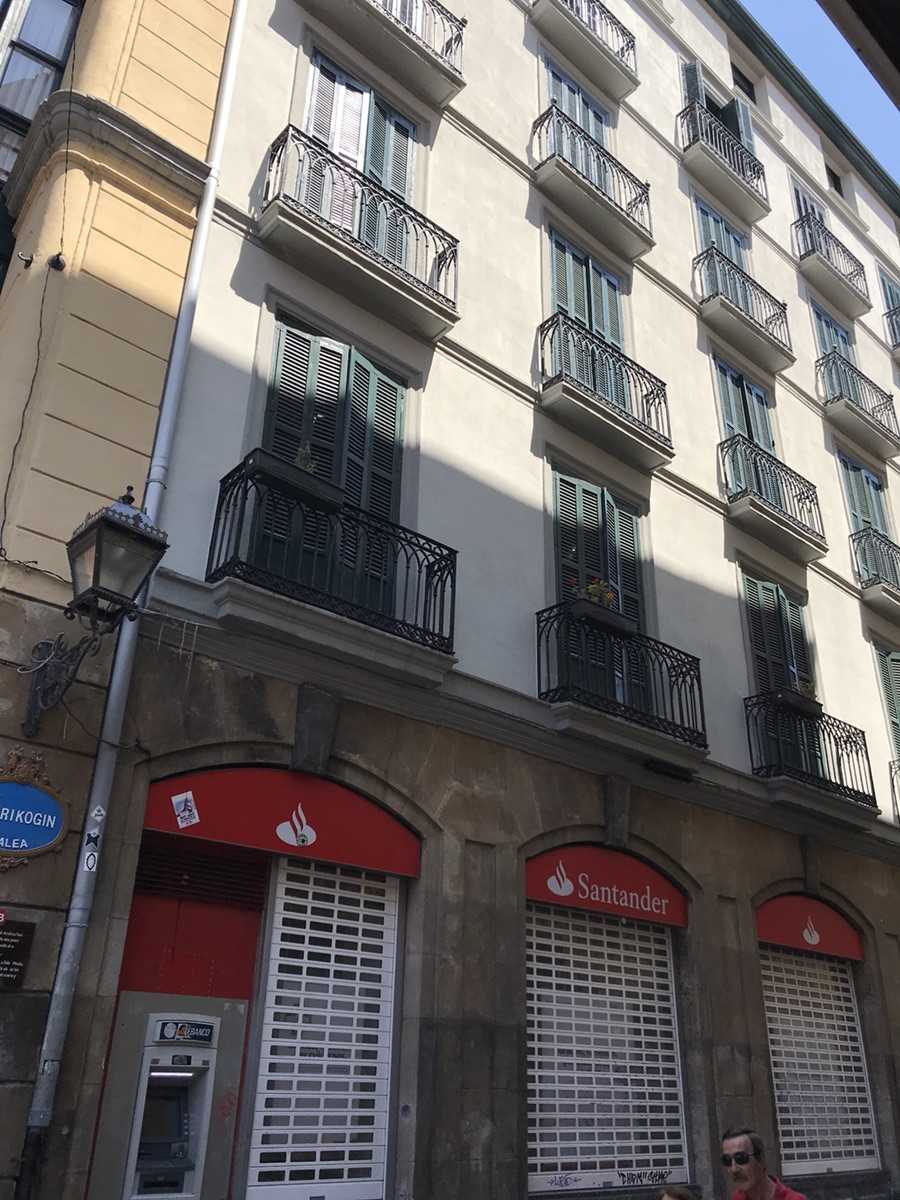
Over time, other trades settled in — tiny shops selling thread, buttons, ribbons, and everything needed for sewing. It became one of the classic mercerías of old Bilbao. The houses stand close together, typical of the original Seven Streets. Downstairs was always for work: bakers, tanners, merchants, all packed into a narrow strip of stone. Upstairs, behind the glassed-in balconies added in the nineteenth century, families lived their lives above the noise of their trade.
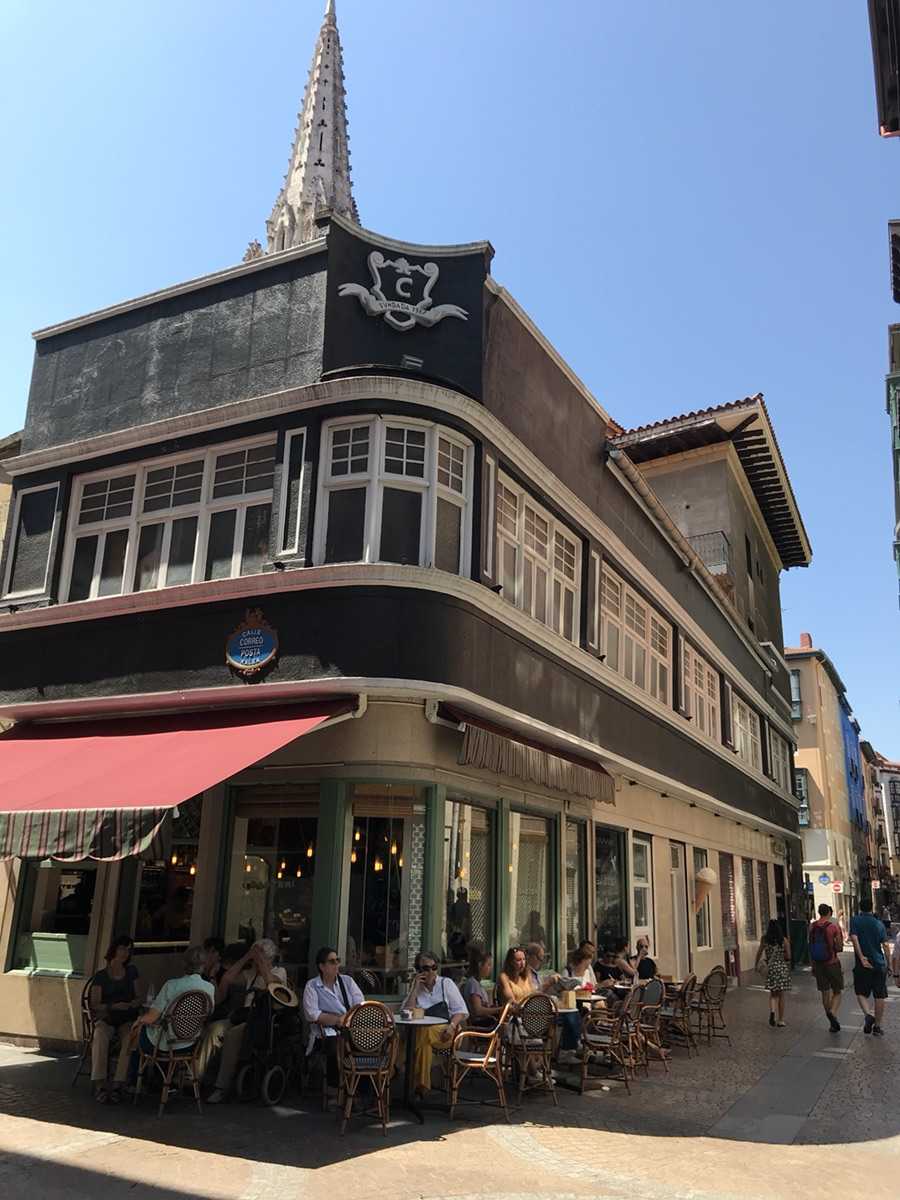
Today the tools have changed, but the rhythm remains. Coffee cups and wine glasses have replaced needles and knives; the smell of baking has overtaken the scent of tanned leather. Yet if you slow your step on the cobblestones, it almost feels as though the old workshops are still here, their echo woven into the street.
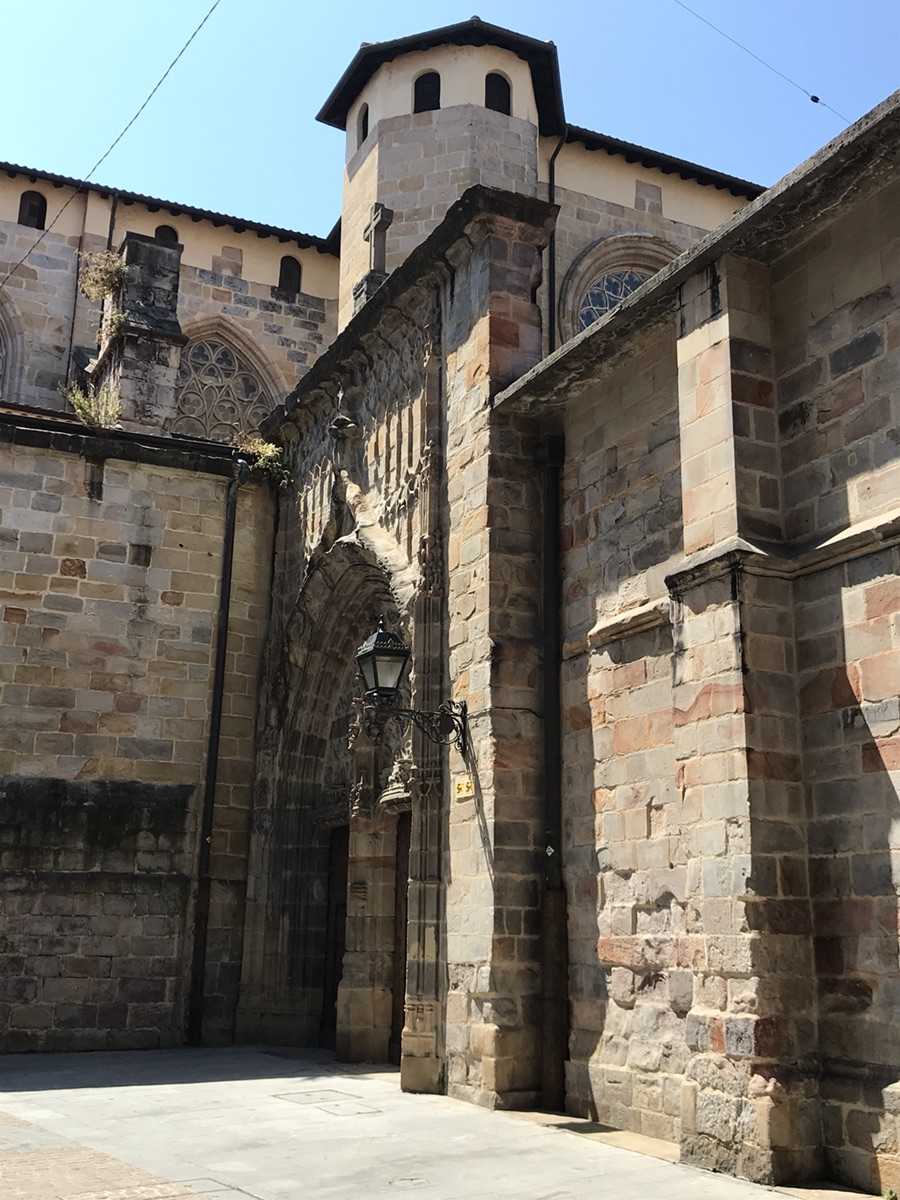
This walk is not just a stroll through the old streets of Bilbao — it’s a walk through the city’s memory. Everything here lies close together: the Gothic gates of Santiago Cathedral, the soft murmur of the “Dog Fountain,” the old plaques still marked by the great flood of 1983, and Bar Xukela, where the spirit of the city lives in a glass of wine and laughter at the counter.
We follow Calle del Perro and Calle de la Torre — streets whose names hold legends and the echoes of ancient family towers. At every turn, a story appears: about the Basques, whose defensive towers once stood like the stone houses of Svaneti; about Diego María Gardoki, the first Basque to serve as Spain’s ambassador to the United States; about Pedro Arrupe, the Basque priest who renewed the Jesuit order in the twentieth century.
Our path leads to the river where ships once lined the shore, and finally to El Arenal — the park where Bilbao learned to breathe, to love, and to listen to the quiet rhythm of its own heart.
This walk is like a simple, honest conversation with the city — no guide, no performance, just a friend who has a story waiting behind every corner.