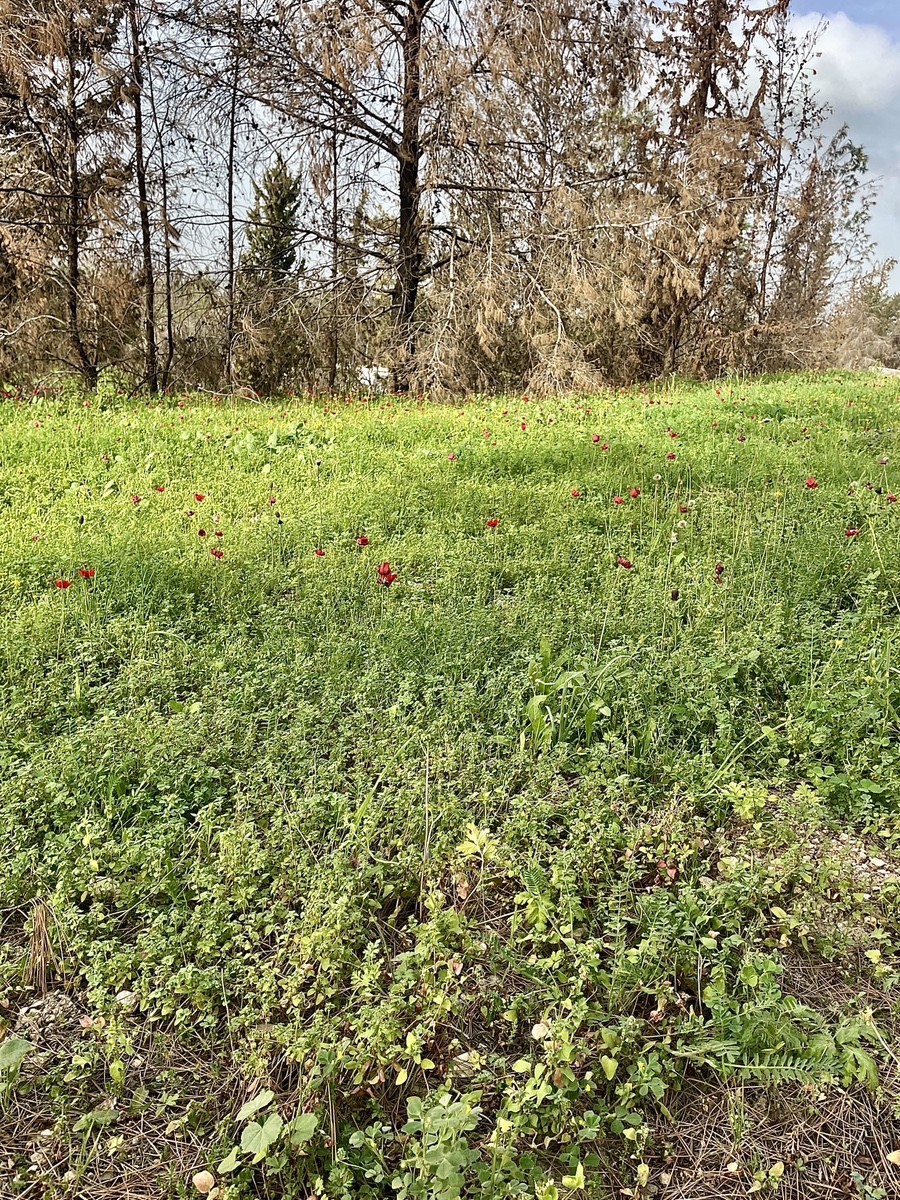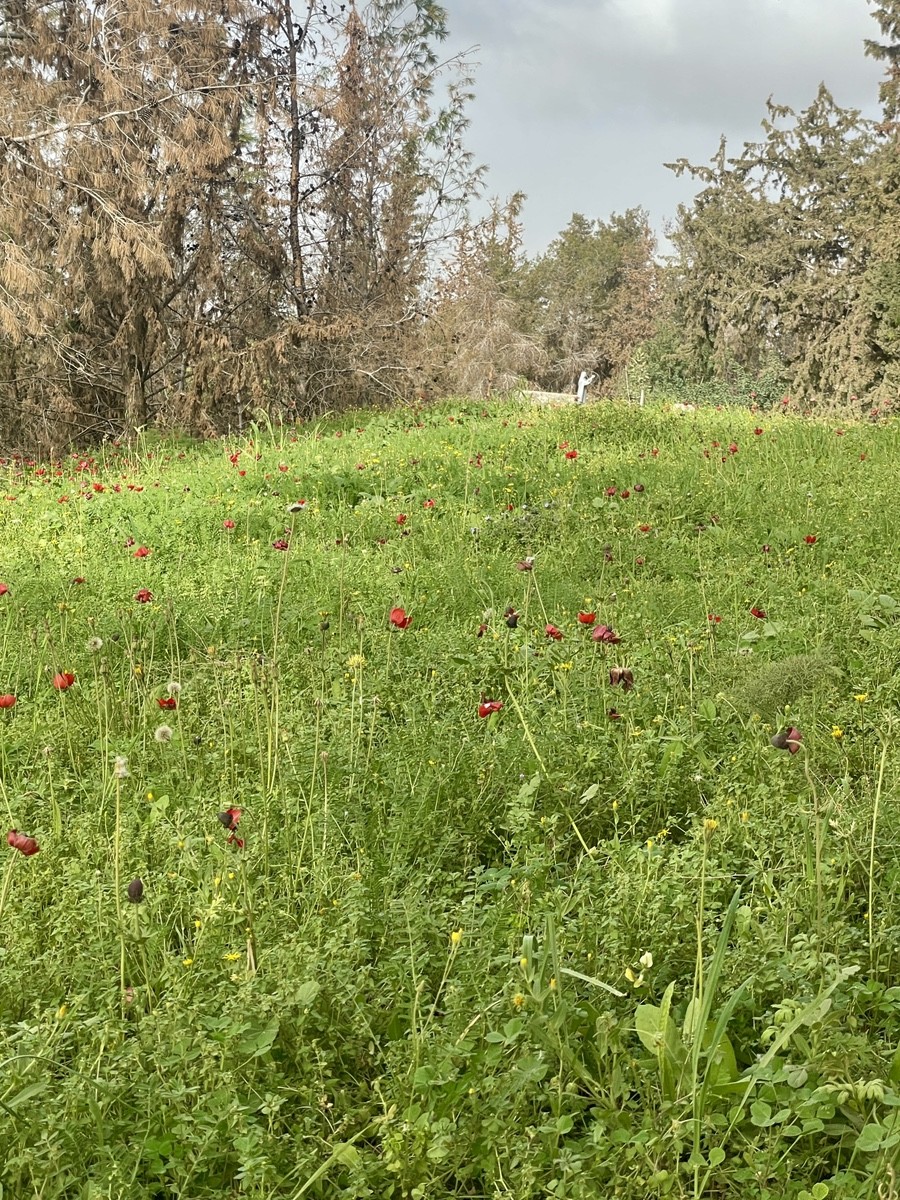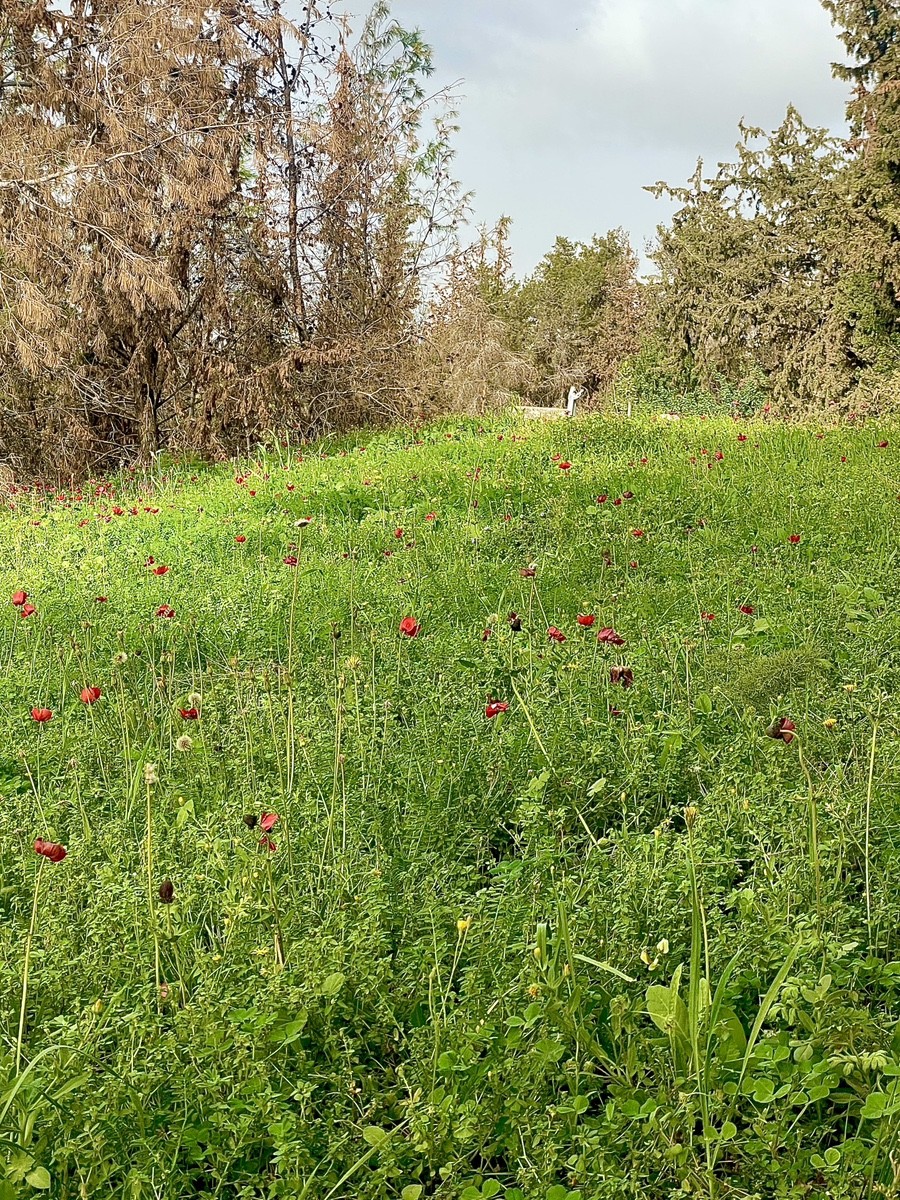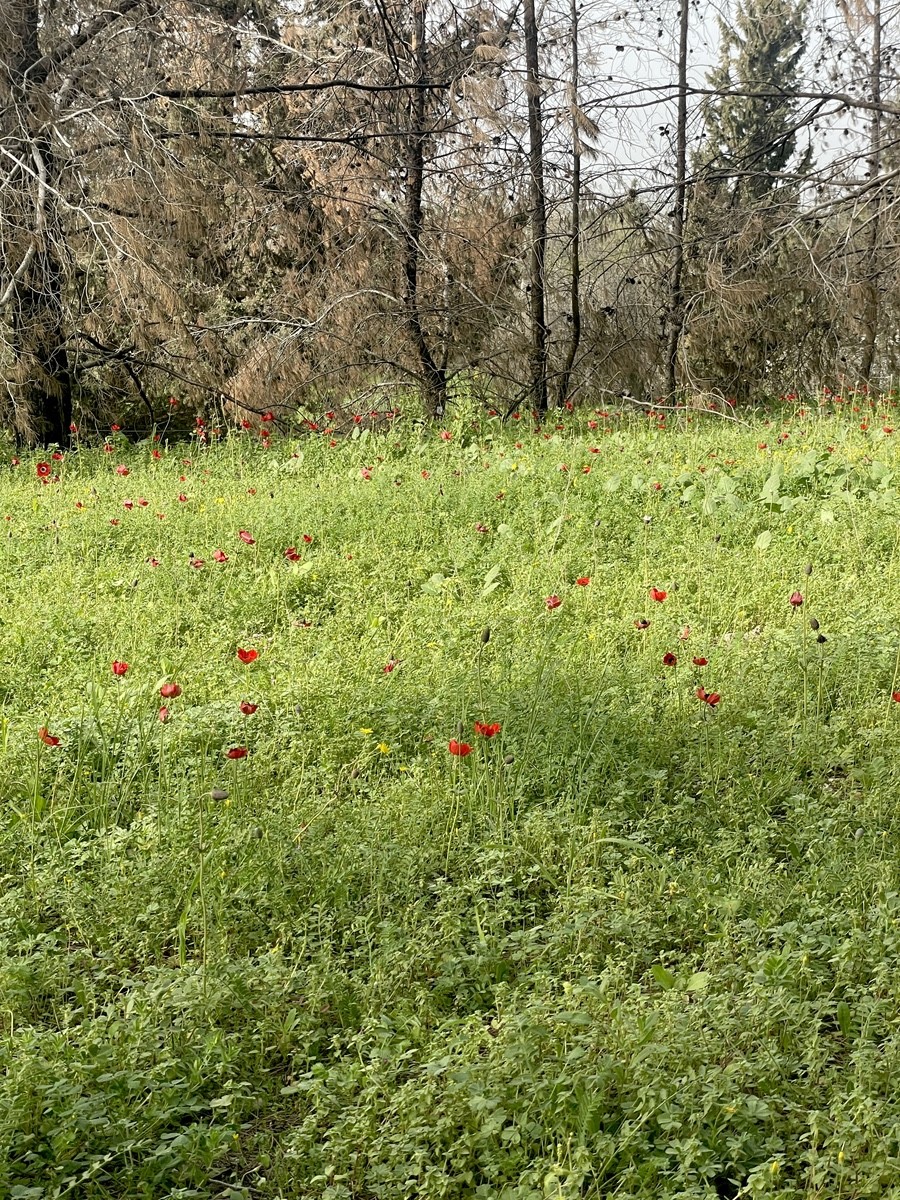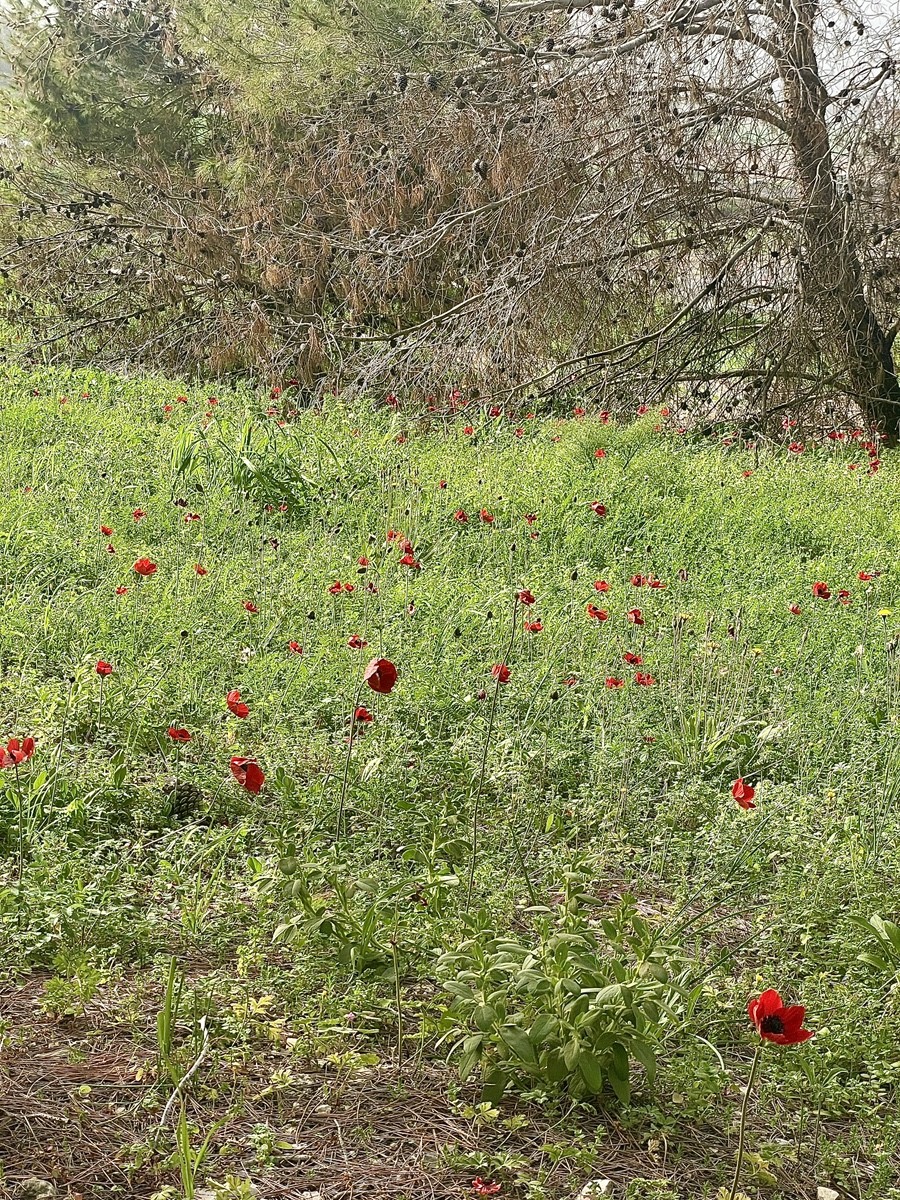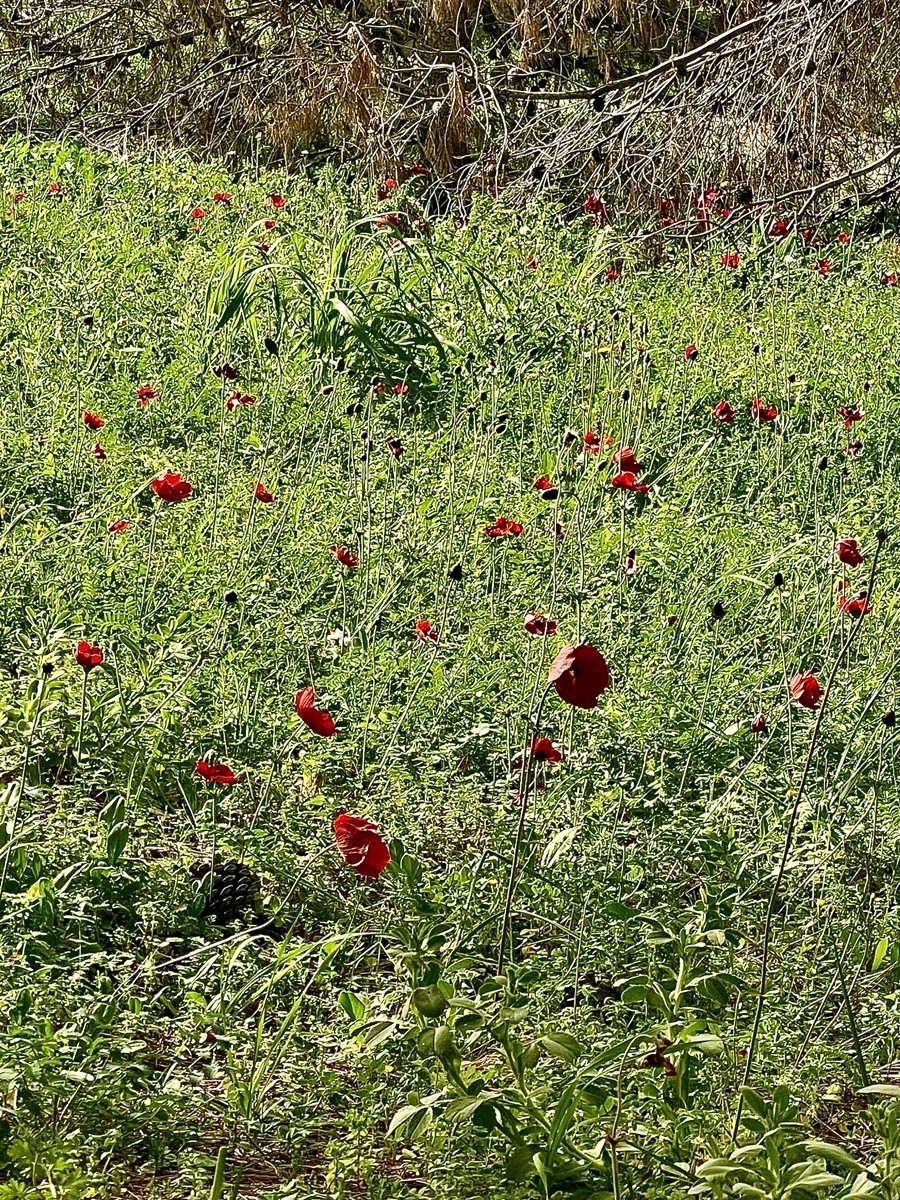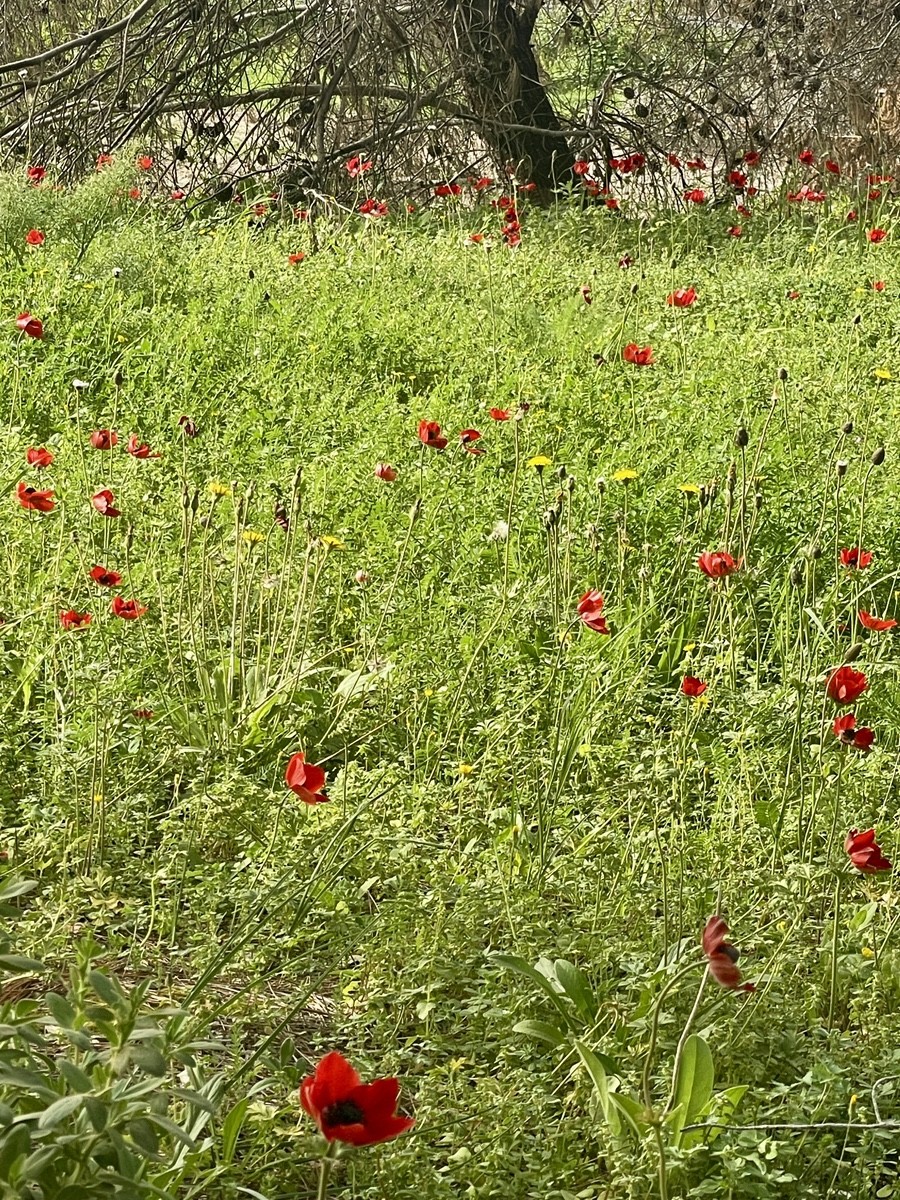

The landscape of Latrun and Canada Park is a classic representation of the Shfela—the Judean Foothills, serving as a transitional buffer between the coastal plain and the Jerusalem Mountains. These soft, rounded hills are composed of Meleke limestone and chalk, covered in a carbonate-rich rendzina soil that is perfectly suited for the region's historic olive groves and vineyards.
The geography is defined by broad, fertile valleys, such as the Ayalon Valley, which historically served as both a breadbasket and the primary gateway to Jerusalem. This natural "granary" is framed by 20th-century afforestation, in which pines and cypresses were introduced to transform abandoned terrains into shaded parklands. The intersection of this strategic topography and its productive soil explains why this specific corridor has remained a focal point of human ambition from biblical times to the present day.
The journey begins in the almond blossoms of Sha'alvim, a landscape rooted in the biblical territory of the Tribe of Dan. The route advances through the strategic Latrun salient to Emmaus-Nicopolis, where Byzantine ruins mark the site of the Resurrection—land preserved through the spiritual visions of Mariam Baouardi and the patronage of Countess Beatrice de Saint-Cricq.
The path culminates at the abandoned Sorek Station, a limestone relic of the Ottoman Empire. Inside, time stands still among concrete staircases and iron veterans: a freight car and a yellow-marked shunting locomotive from the 1990s. A modest monument to Egyptian labourers honours the unsung builders of the WWI era. Today, the silence of these rusted tracks is only broken by the whistle of modern trains, bridging the gap between ancient faith and imperial ruins.