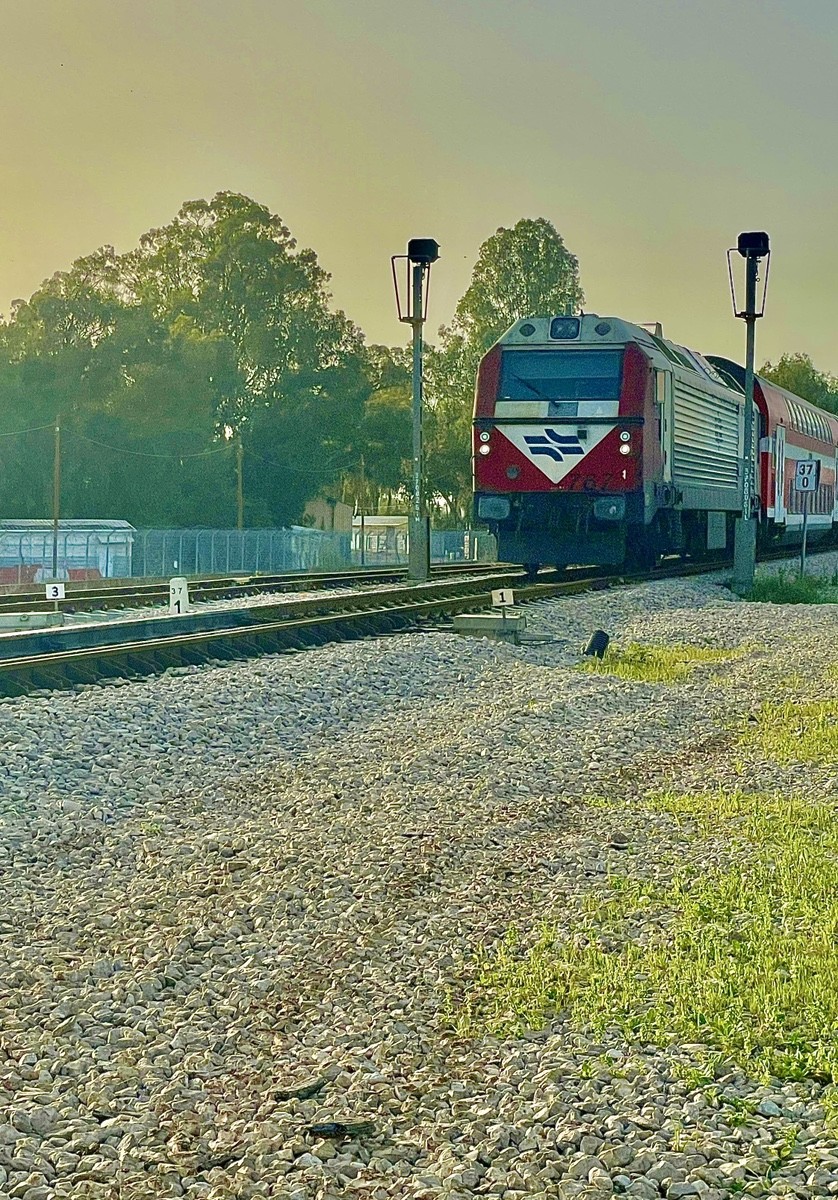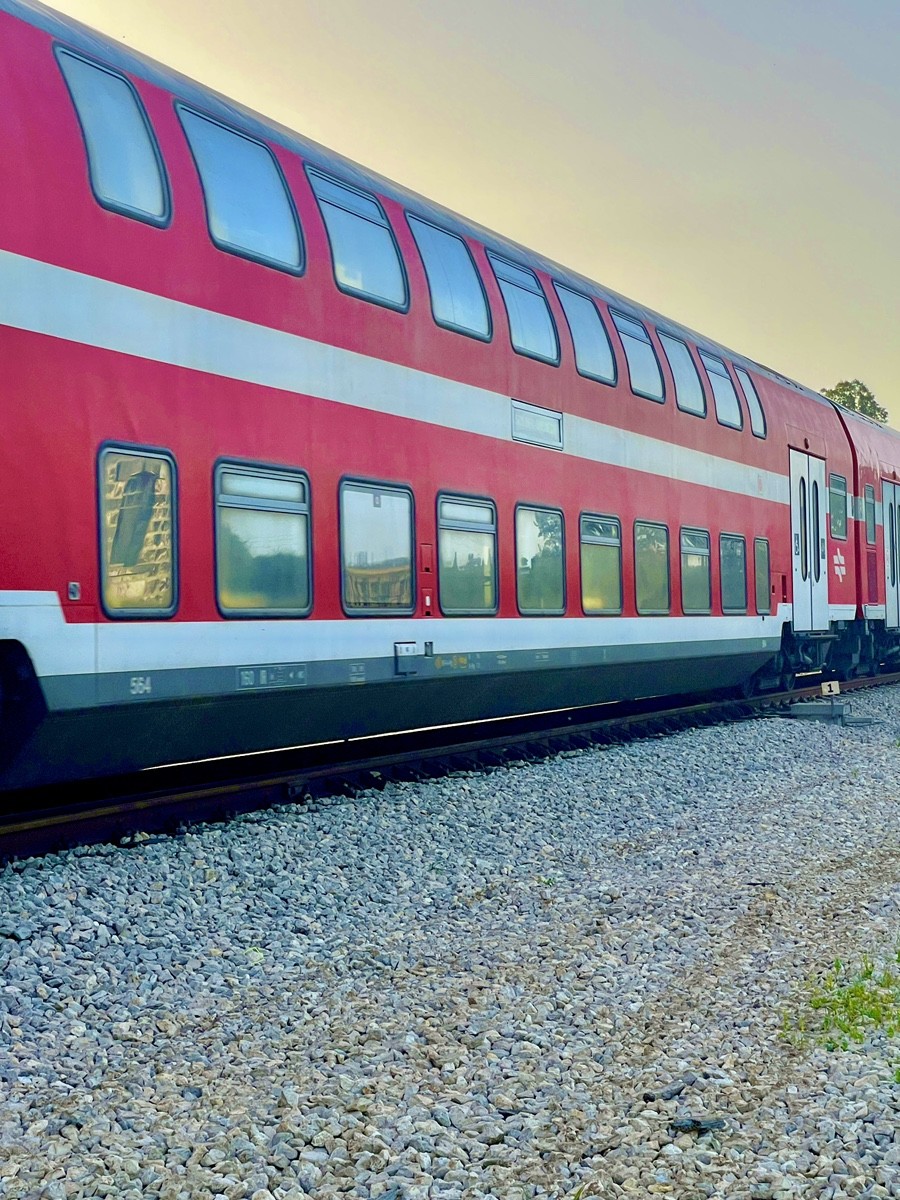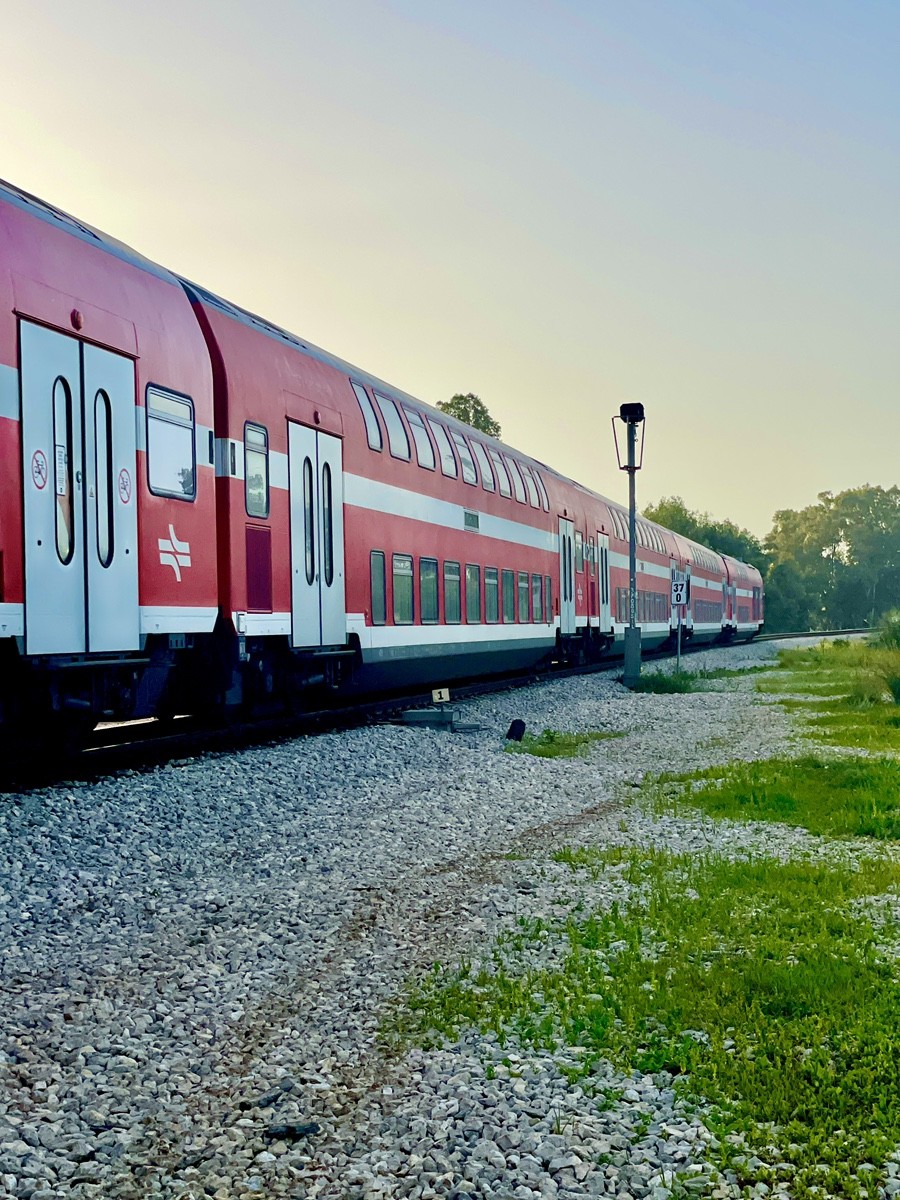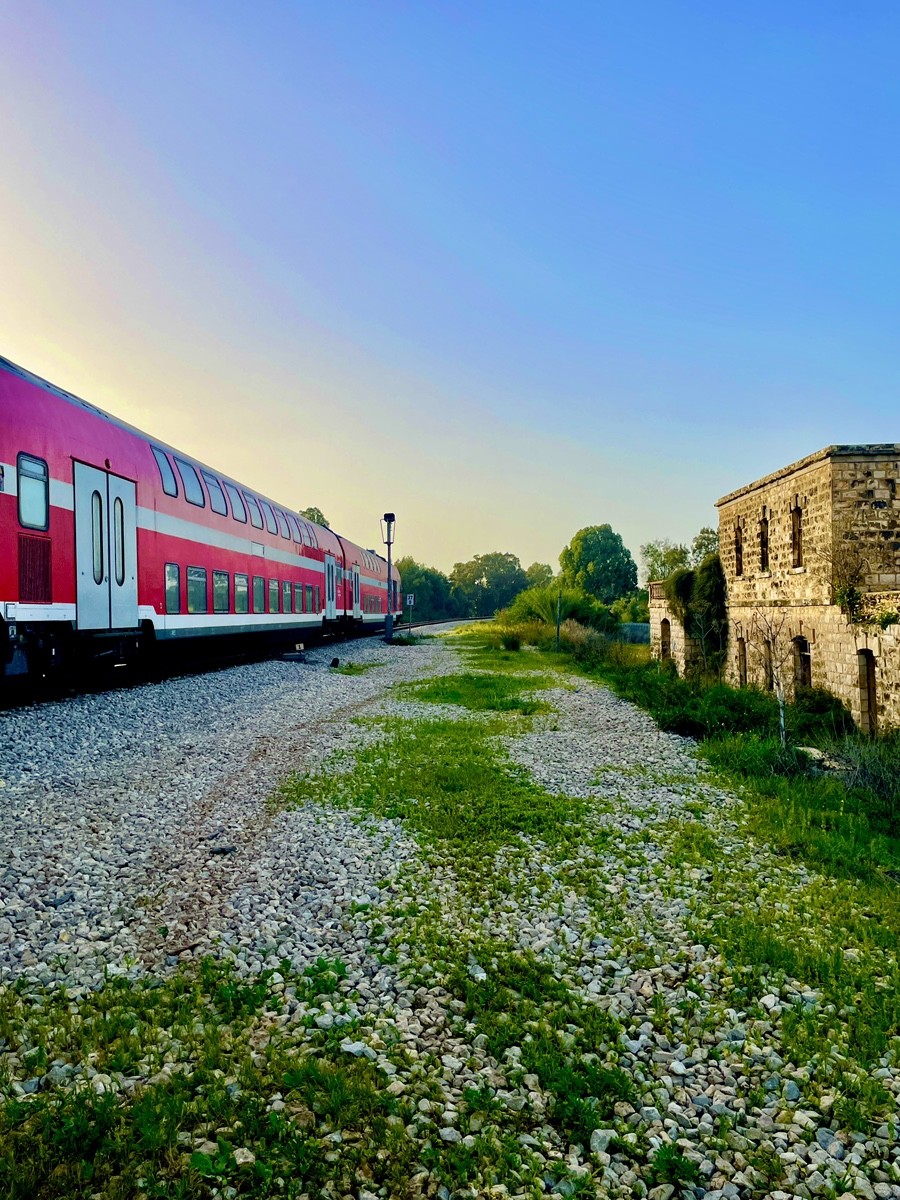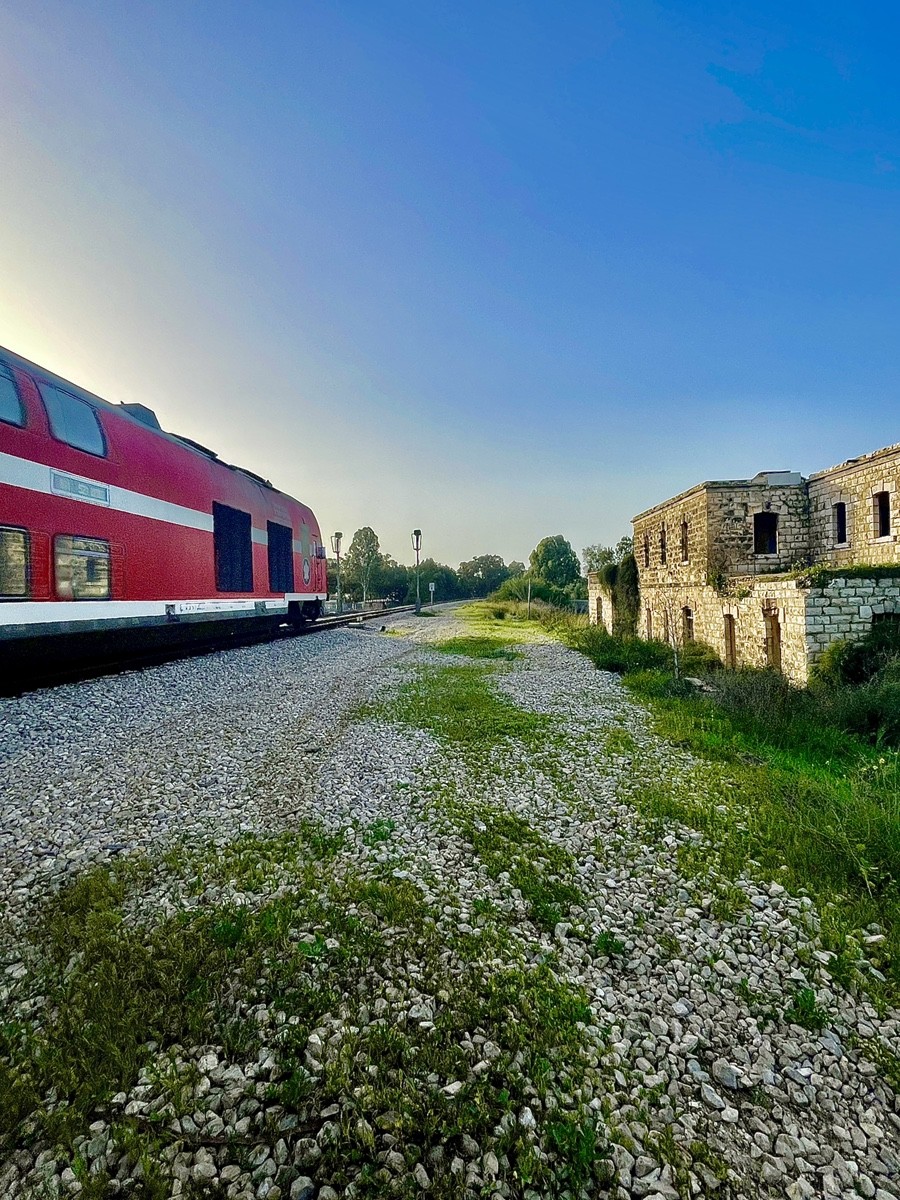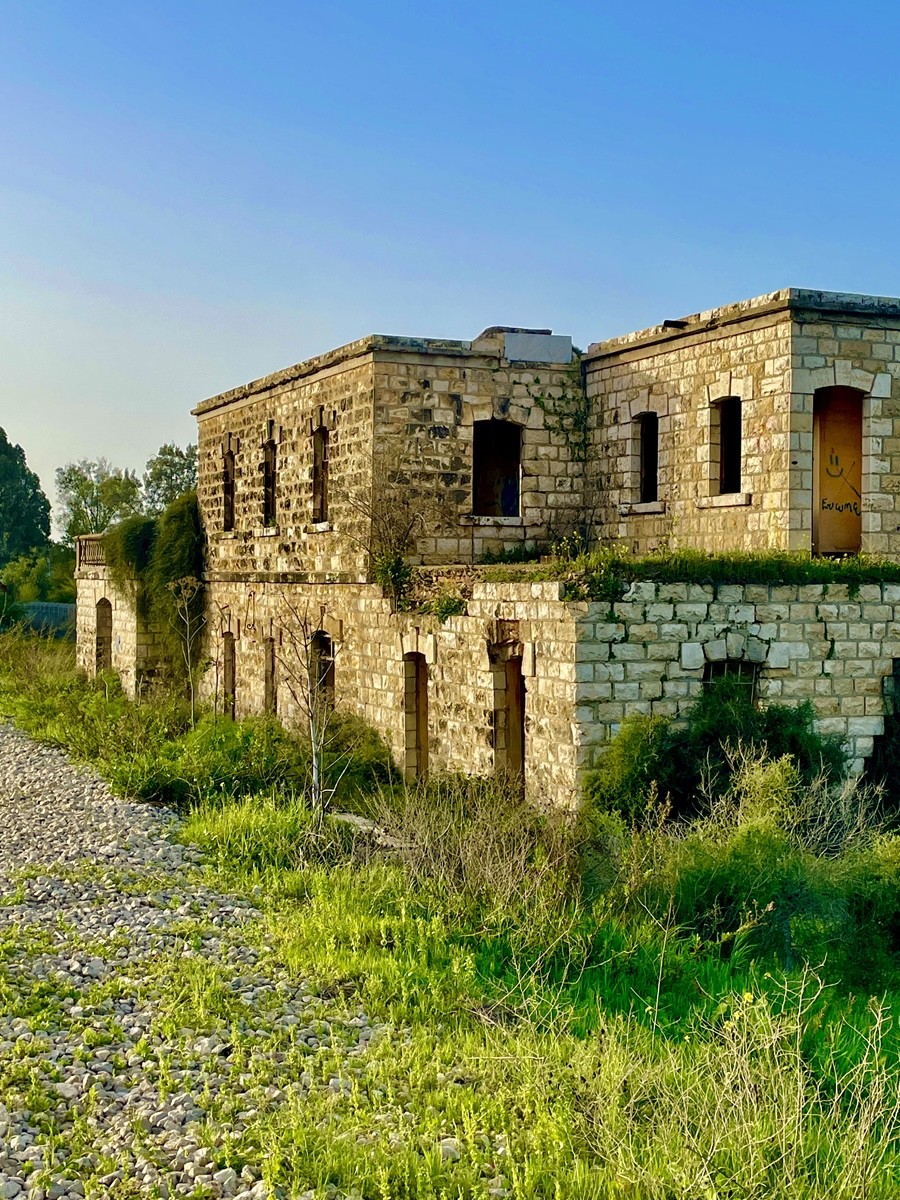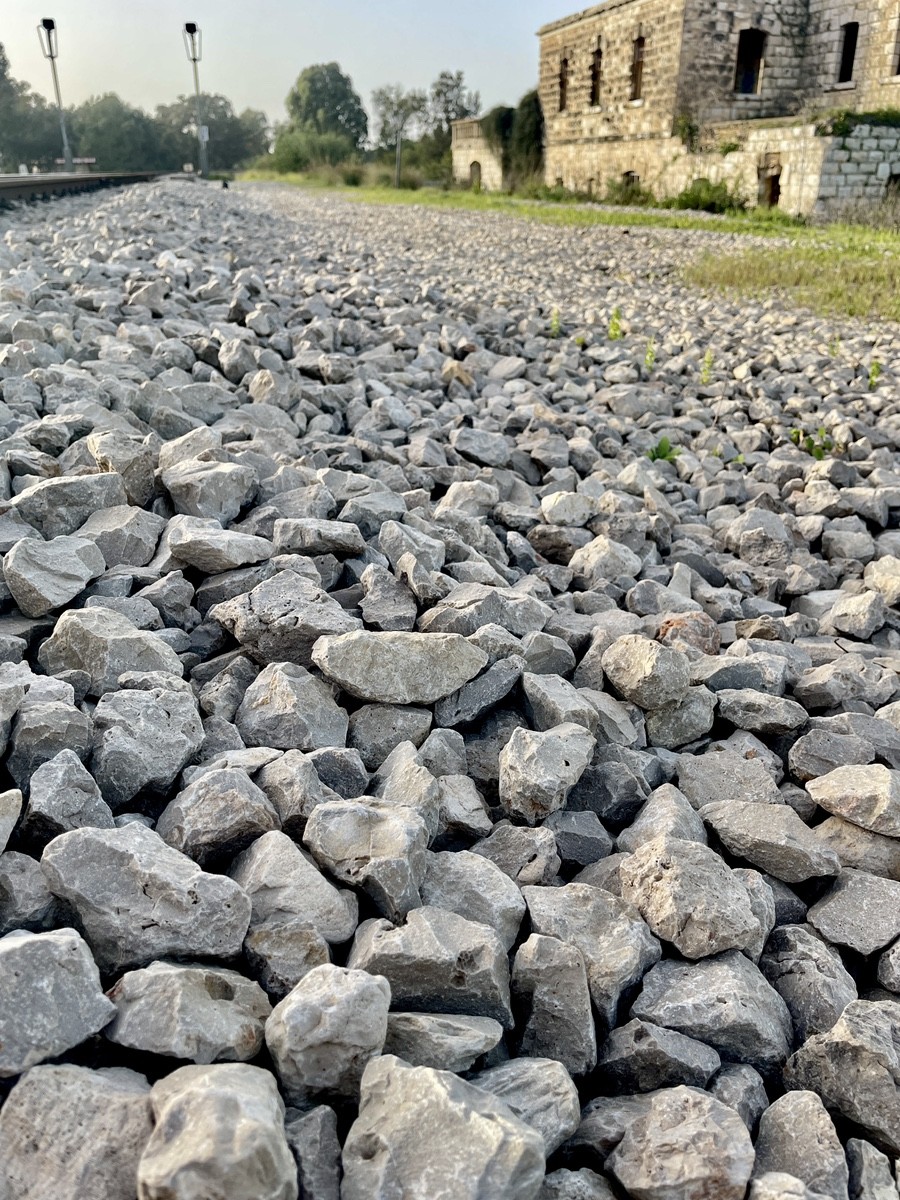

For the historian, Sorek Station is a vivid illustration of the region's "transportation revolution." At the dawn of the 20th century, it was a thrumming centre of life where steam locomotives paused to replenish water from massive cisterns—the ruins of which still dot the area. Today, the station has transitioned from a vital artery into a site of Industrial Decay.
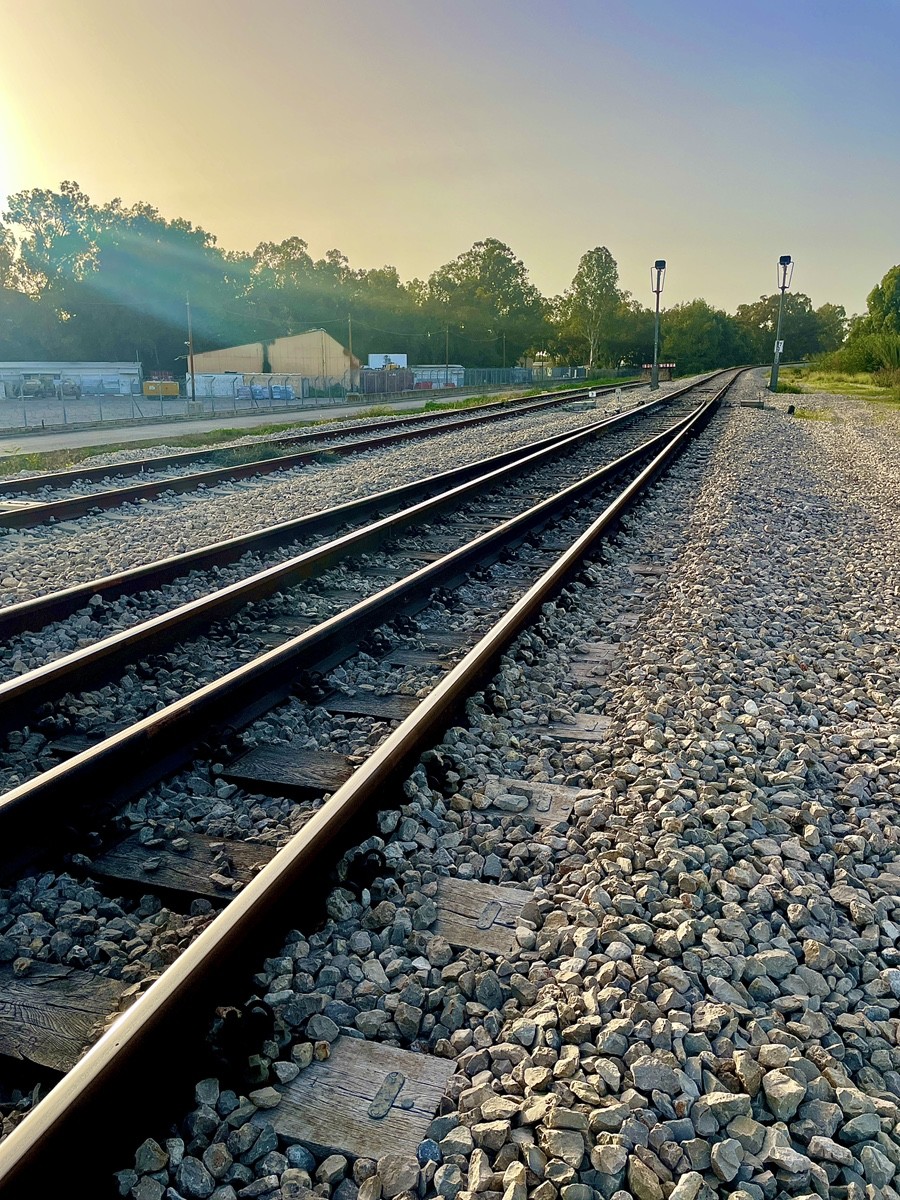
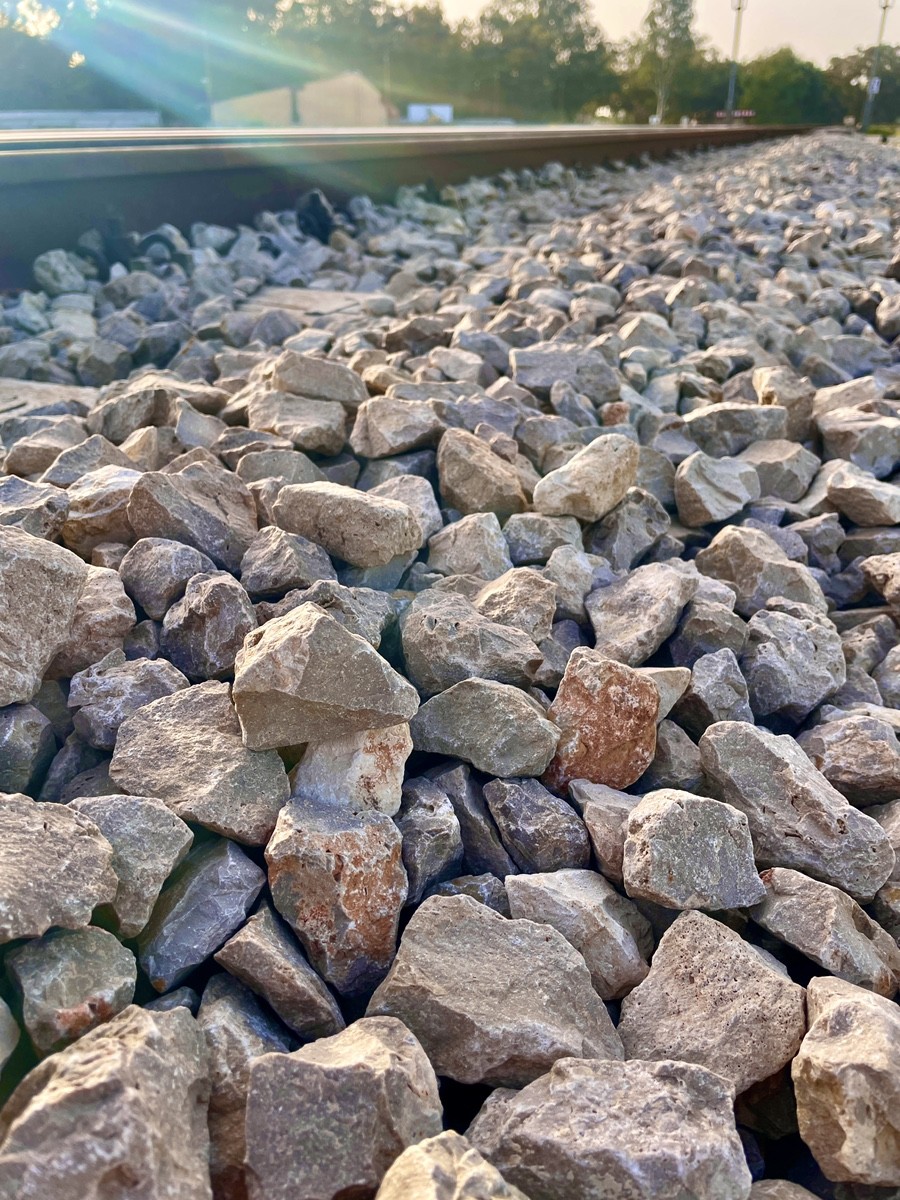
It has become a sanctuary for photographers, drawn by the stark sensory contrasts of the landscape: the cold, unyielding steel of the rails, the sharp grit of the ballast, and the "warm," porous texture of the ancient Jerusalem limestone. This interplay of materials tells the story of an era that outlived its utility but refused to vanish. Sorek stands not as a museum, but as a living canvas where the industrial ambition of the past is slowly being softened by the elements, creating a hauntingly beautiful monument to the age of steam.
The journey begins in the almond blossoms of Sha'alvim, a landscape rooted in the biblical territory of the Tribe of Dan. The route advances through the strategic Latrun salient to Emmaus-Nicopolis, where Byzantine ruins mark the site of the Resurrection—land preserved through the spiritual visions of Mariam Baouardi and the patronage of Countess Beatrice de Saint-Cricq.
The path culminates at the abandoned Sorek Station, a limestone relic of the Ottoman Empire. Inside, time stands still among concrete staircases and iron veterans: a freight car and a yellow-marked shunting locomotive from the 1990s. A modest monument to Egyptian labourers honours the unsung builders of the WWI era. Today, the silence of these rusted tracks is only broken by the whistle of modern trains, bridging the gap between ancient faith and imperial ruins.