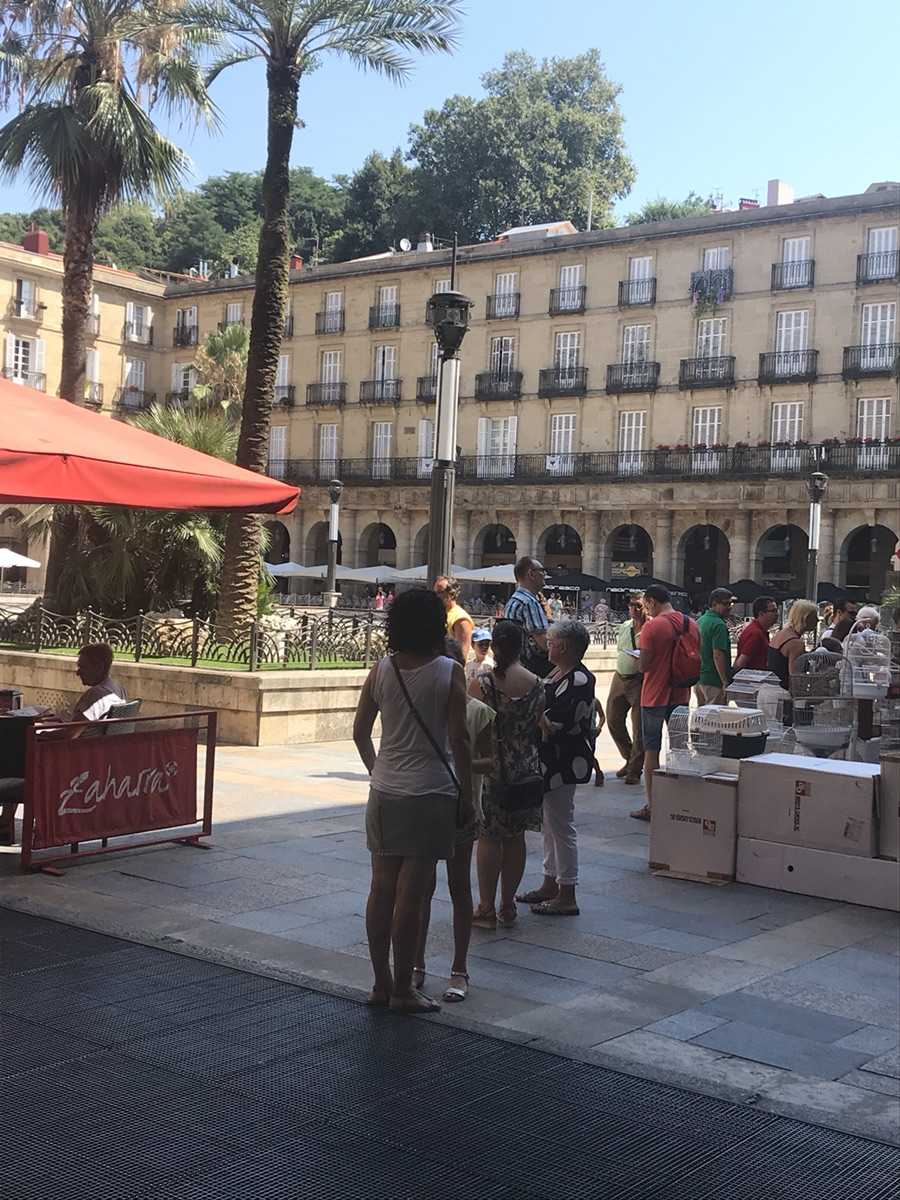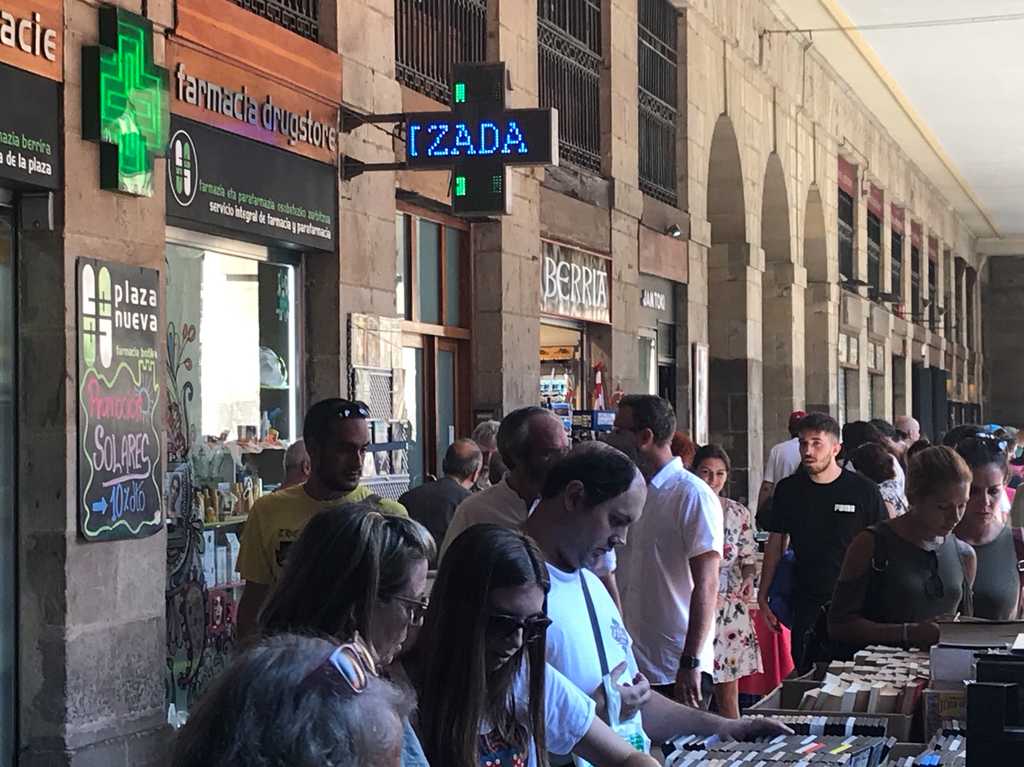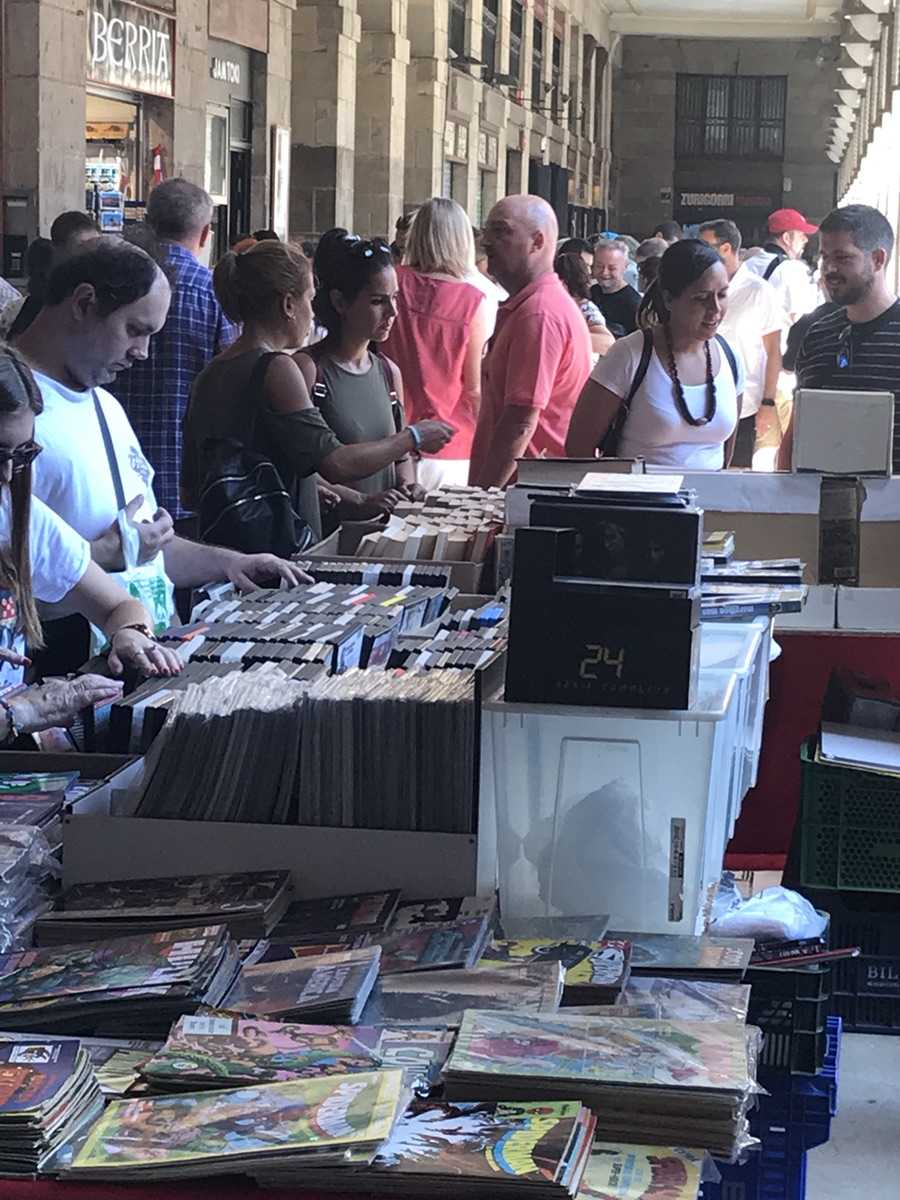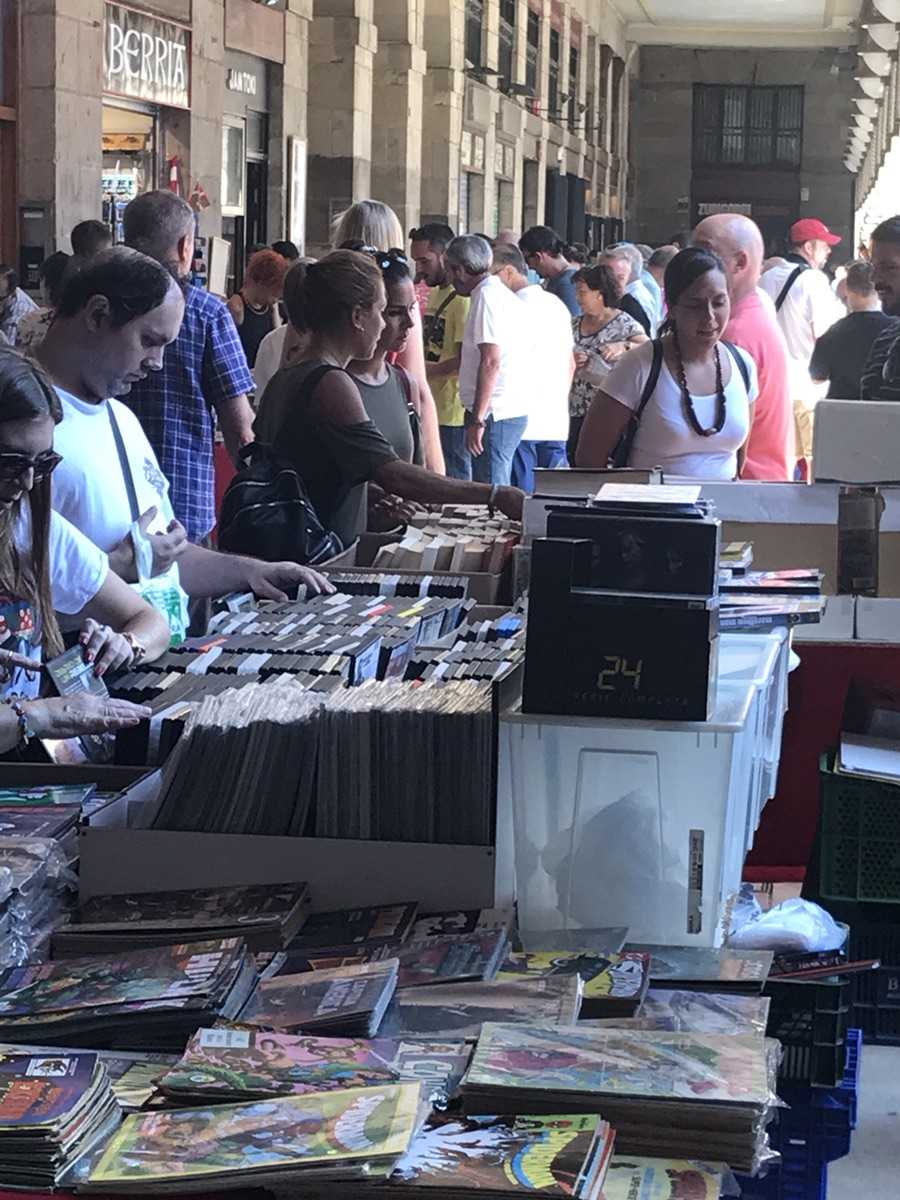

The Plaza Nueva in Bilbao carries the shape of Spanish order—an imperial idea of symmetry, arches, and neoclassical façades placed onto Basque soil. Its geometry echoes Madrid’s Plaza Mayor, as if the empire tried to anchor its own vision of harmony and authority here. This kind of architecture once served as a declaration: the layout of a square was meant to express stability, law, and the certainty of a system where a royal signature sounded absolute—“Yo, el Rey.”
But time has a way of shifting meaning. Even Charles V, the ruler who once held half the world, eventually stepped away from power, retired to a monastery, and lived quietly among books, a cat, and a canary. That small bird—fragile, bright, and domestic—outlived kings and became a symbol of calm and inner balance in Spanish culture. Later, canaries spread across Europe, and by the nineteenth century even Russia considered a caged canary a mark of a respectable home—a symbol of comfort and of controlling a small world when the larger one felt unstable.
The Basques adopted the architecture but not the obedience built into it. On this same square you hear canaries, but also the smell of roasted peppers and anchovies. Every evening people gather with a glass of wine and a plate of pintxos—food that is proudly, stubbornly their own. Spain brought the form; the Basques filled it with their voice. And if the canary sings behind its bars, the Basque spirit sings in freedom—through its language, traditions, flavors, and the rhythm of this land.
This walk is not just a stroll through the old streets of Bilbao — it’s a walk through the city’s memory. Everything here lies close together: the Gothic gates of Santiago Cathedral, the soft murmur of the “Dog Fountain,” the old plaques still marked by the great flood of 1983, and Bar Xukela, where the spirit of the city lives in a glass of wine and laughter at the counter.
We follow Calle del Perro and Calle de la Torre — streets whose names hold legends and the echoes of ancient family towers. At every turn, a story appears: about the Basques, whose defensive towers once stood like the stone houses of Svaneti; about Diego María Gardoki, the first Basque to serve as Spain’s ambassador to the United States; about Pedro Arrupe, the Basque priest who renewed the Jesuit order in the twentieth century.
Our path leads to the river where ships once lined the shore, and finally to El Arenal — the park where Bilbao learned to breathe, to love, and to listen to the quiet rhythm of its own heart.
This walk is like a simple, honest conversation with the city — no guide, no performance, just a friend who has a story waiting behind every corner.