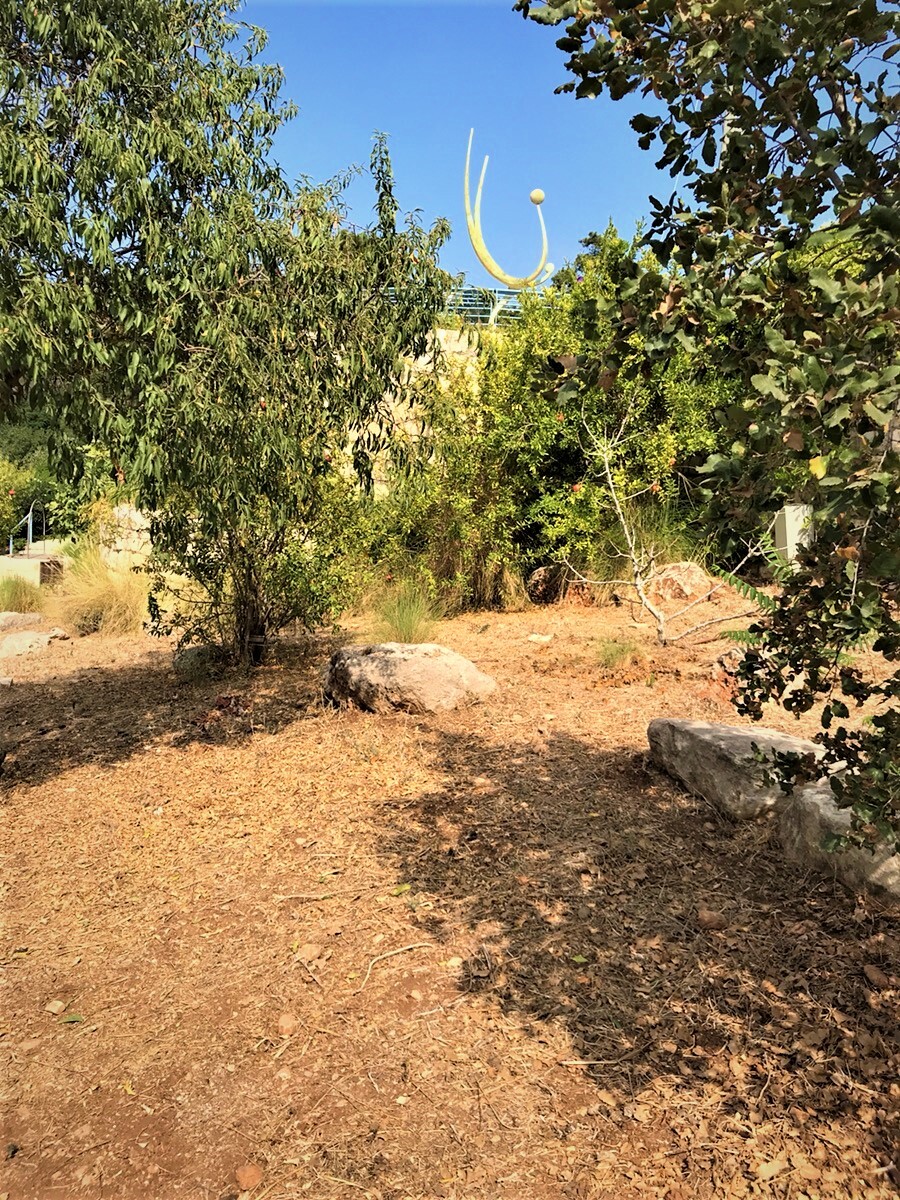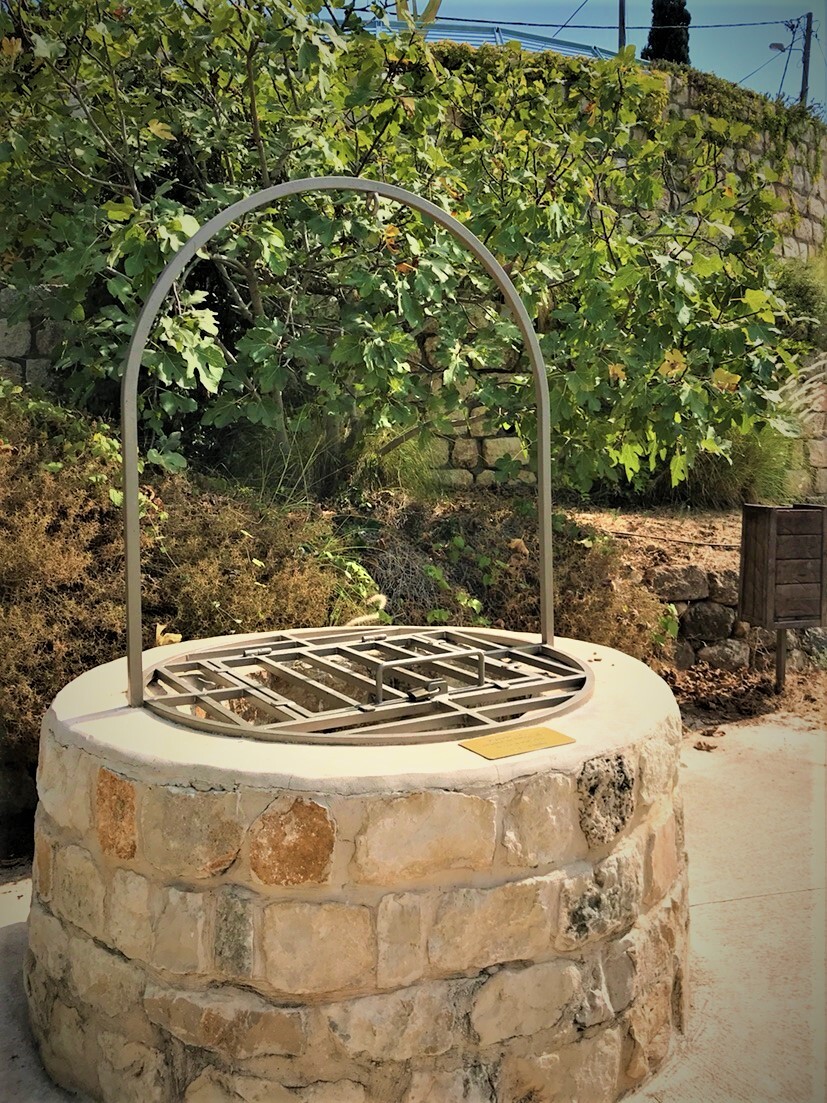

The park in Ein Hod, along with many other areas in the village, is adorned with sculptures and installations that tell the story of its ruin and subsequent revival. Notable works include a sealed well and sculptures of musicians and dancers, symbolizing the village's past and present.
Despite the original Arab inhabitants leaving Ein Hod, one family went on to establish a new settlement known as New Ein Hod, situated to the east of the historic village. Recognized by Israeli authorities in the mid-90s, New Ein Hod is now renowned for its restaurants and stunning views. The route to this settlement winds past the cowshed of Moshav Nir Etzion.
Following the desolation of the old Ein Hod, efforts were made in 1949 to repopulate it with new immigrants, including repatriates from Algeria. These individuals, along with a group from Tunisia, founded Moshav Tzrufa. The village remained uninhabited for six years until Marcel Janko, an adviser to the Jewish National Fund at the time, discovered it. His vision for national parks and reserves saved Ein Hod from obliteration, transforming it into a commune for young artists under his guidance.
Today, Ein Hod is a vibrant community where sculptors, designers, musicians, architects, actors, singers, poets, jewelers, and potters live and create. Many open their studios to the public, offering workshops and exhibitions. While Ein Hod may not be a hub for high art or masterpieces, its distinct lifestyle, welcoming spirit, diversity, and simplicity captivate and charm all who visit.
The streets of the artists' village of Ein Hod, strewn with autumn leaves, have a unique charm. Slightly worn by time, curvilinear and genuinely charming, they are shrouded in an atmosphere of kindness. Walking from the museum of Janko Dada, the founder of Dada, to the bronze sculptures of Benjamin Levi, you are greeted at every step by art in the most unexpected manifestations. This village has experienced a lot: from liveliness to decline, when houses stood empty, to its rebirth. The walls of its houses are mute witnesses of eras, cultures, the change of the Arab population by the descendants of Saladin's troops to Jewish Dada artists. The stones of these walls contain stories ranging from the times of the Crusaders, through the Arab heritage, to the Jewish restoration.
Today, sculptors, designers, musicians, architects, actors, singers, poets, jewelers, and potters live and work in Ein Hod. Many of them invite visitors to their workshops, organizing master classes and exhibitions. Ein Hod has no aspirations for high art or display of masterpieces, but there is a special atmosphere of simplicity, hospitality and pluralism, attractive in its ease and picturesqueness. Translated with Google Translate