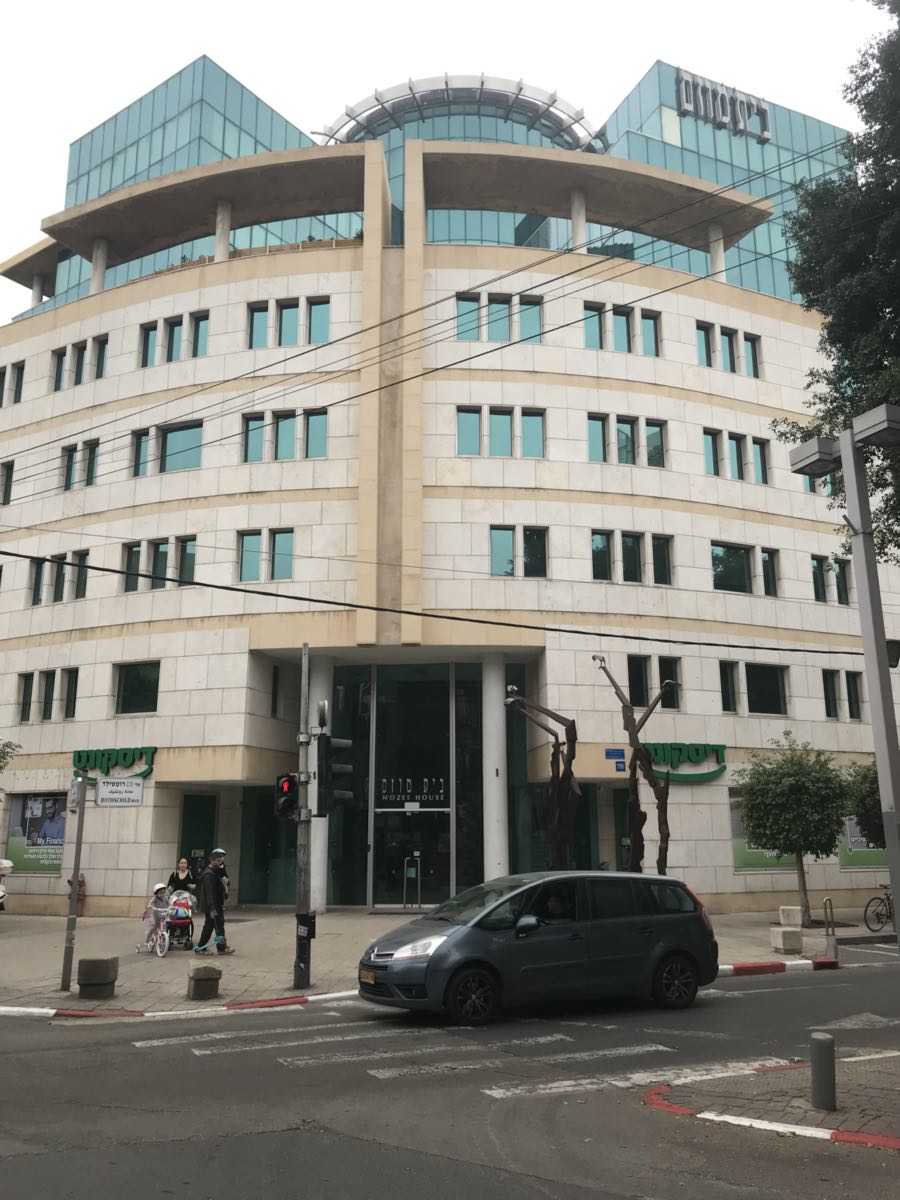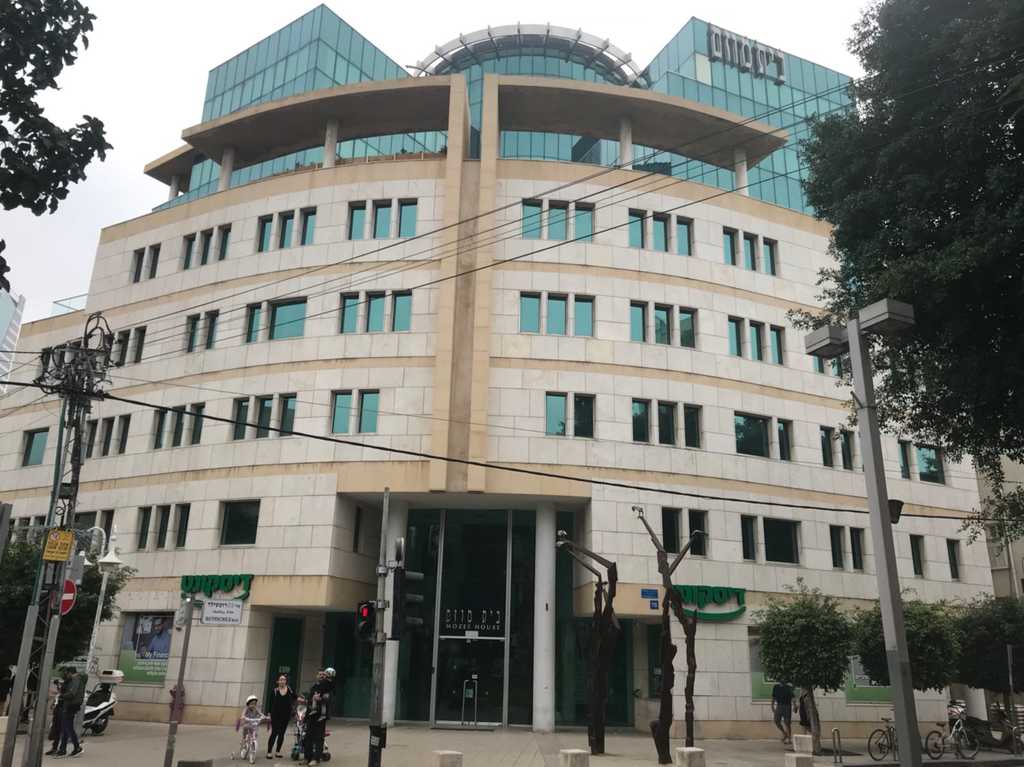

The building, now home to *Nefesh B’Nefesh* tells a tale that resonates deeply with the spirit of Tel Aviv—a city defined by reinvention and ambition. Founded in 2002, *Nefesh B’Nefesh* was established to support the aliyah of Jews from the United States, Canada, and English-speaking countries across the globe. Its mission is as vital as it is compassionate: providing returning citizens with the tools and resources to begin anew in their ancestral homeland. The name on the building’s facade, “Moses House,” hints at an extraordinary legacy tied to one of Israel’s most influential families.
This story begins with Yehuda Moses, the son of Kalish's chief rabbi, whose life charted a remarkable course. From the textile mills of Łódź, then under Russian rule, through the bustling streets of Moscow, Moses finally arrived in Palestine in 1923. Here, he established *Lodzia*, a textile factory at the crossroads of Nahmani and Yehuda Halevi Streets, just a stone’s throw from Rothschild Boulevard. Moses soon became a prominent entrepreneur, with ventures spanning banking, real estate, and infrastructure, shaping the early fabric of the new Jewish state.
Yet, the Moses family’s enduring fame emerged not from textiles but from their grip on Israeli media. In 1939, Gershom Komarov, grandson of the celebrated Avraham Vinte Komarov of Soroca, launched the newspaper *Yedioth Ahronoth*. Financial pressures forced Komarov to sell his fledgling paper to Alexander Moses, the owner of its printing press, to settle his debts. This pivotal moment set the Moses family on a path to redefine Israeli journalism. Through perseverance, even selling personal assets to save the newspaper during its darkest days, the family nurtured *Yedioth Ahronoth* into a media giant—a household name that continues to shape the nation’s discourse.
Of course, great stories have their share of drama. Yehudit Moses, a charismatic television presenter, added her chapter to the family saga. Her marriage to a senior Likud politician—once seen as a solid rival to Benjamin Netanyahu—became a national scandal after allegations of infidelity surfaced, toppling his career and forcing him into obscurity. Meanwhile, Yehudit’s brother, Noni Moses, clashed directly with Netanyahu on the media battlefield. This rivalry came to a head with the rise of *Israel Hayom*, a free daily newspaper bankrolled by American allies of Netanyahu, which disrupted the market and cut deeply into *Yedioth Ahronoth’s* readership.
Despite these challenges, *Yedioth Ahronoth* remains Israel’s most widely read newspaper—a symbol of resilience and an unwavering voice in a turbulent landscape.
The building is more than just an address—it is a living narrative of Tel Aviv’s unrelenting drive for progress and innovation. From its roots in textiles to its role in shaping media, it mirrors the city’s character: ambitious, entrepreneurial, and constantly evolving. Under its roof, the past and present converge, offering a glimpse of Tel Aviv’s heart—a place where history thrives not as a memory but as a foundation for what’s yet to come.
Let us begin our journey at Habima Square, a central crossroads in Tel Aviv where Rothschild Boulevard meets Sderot Hen, named after the national poet Haim Nachman Bialik. These boulevards, shaded by elegant ficus trees, are more than just scenic streets—they are the threads of a narrative that weaves through the history of Israel’s founding.
On Sderot Hen, at No. 1, a pivotal moment unfolded on May 13, 1948. Within this modest building, Arab representatives signed a formal agreement of surrender, just one day before the proclamation of Israel’s independence. A few steps away, across Rothschild Boulevard, in the home of Tel Aviv’s first mayor, Meir Dizengoff, David Ben-Gurion stood in a modest living room and declared the establishment of the State of Israel.
This short but profound route between two historic landmarks is a journey through time. It captures the essence of Tel Aviv’s transformation—from a nascent Hebrew city into the cultural and historical heart of modern Israel. Each building, each street, whispers the stories of visionaries and pivotal moments. Walking this path isn’t just about seeing the city; it’s about feeling its pulse, its spirit, and its unique place in history.