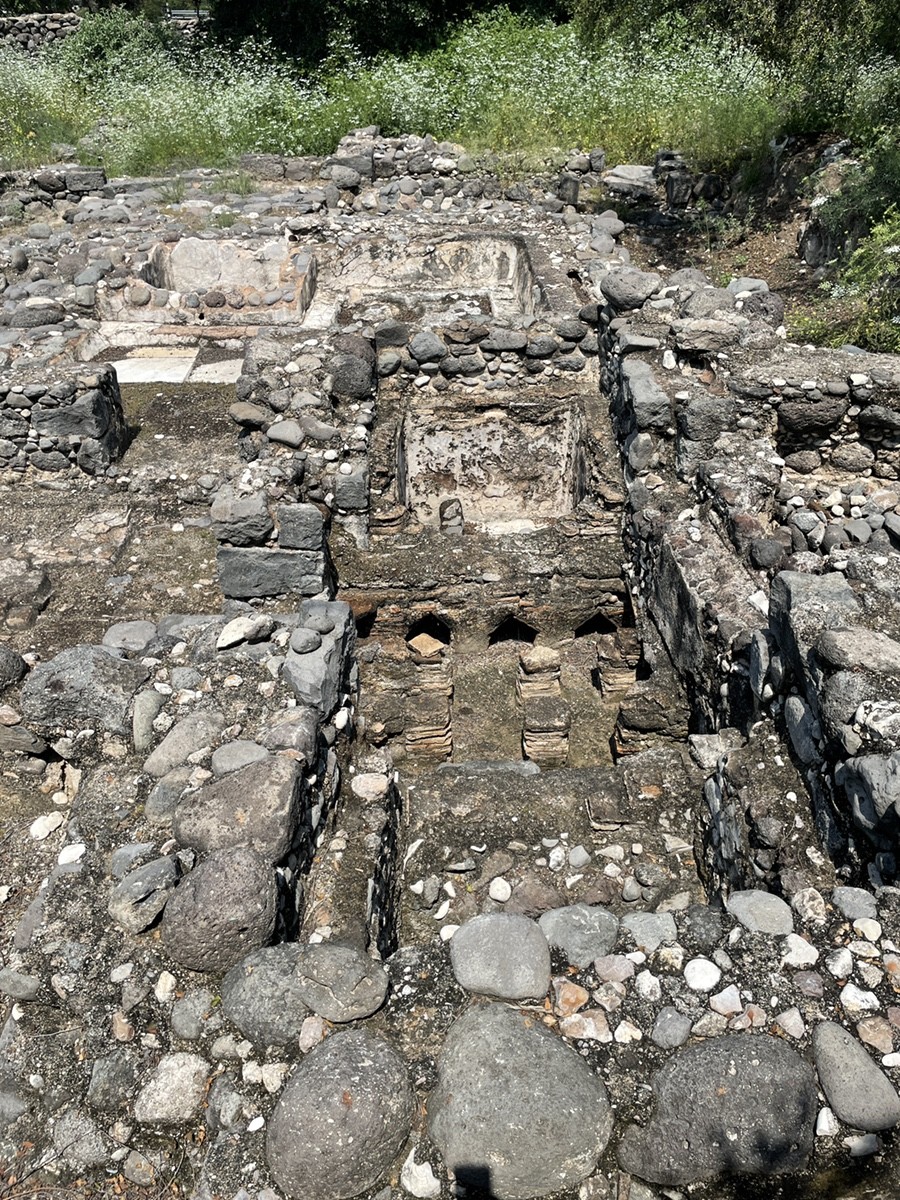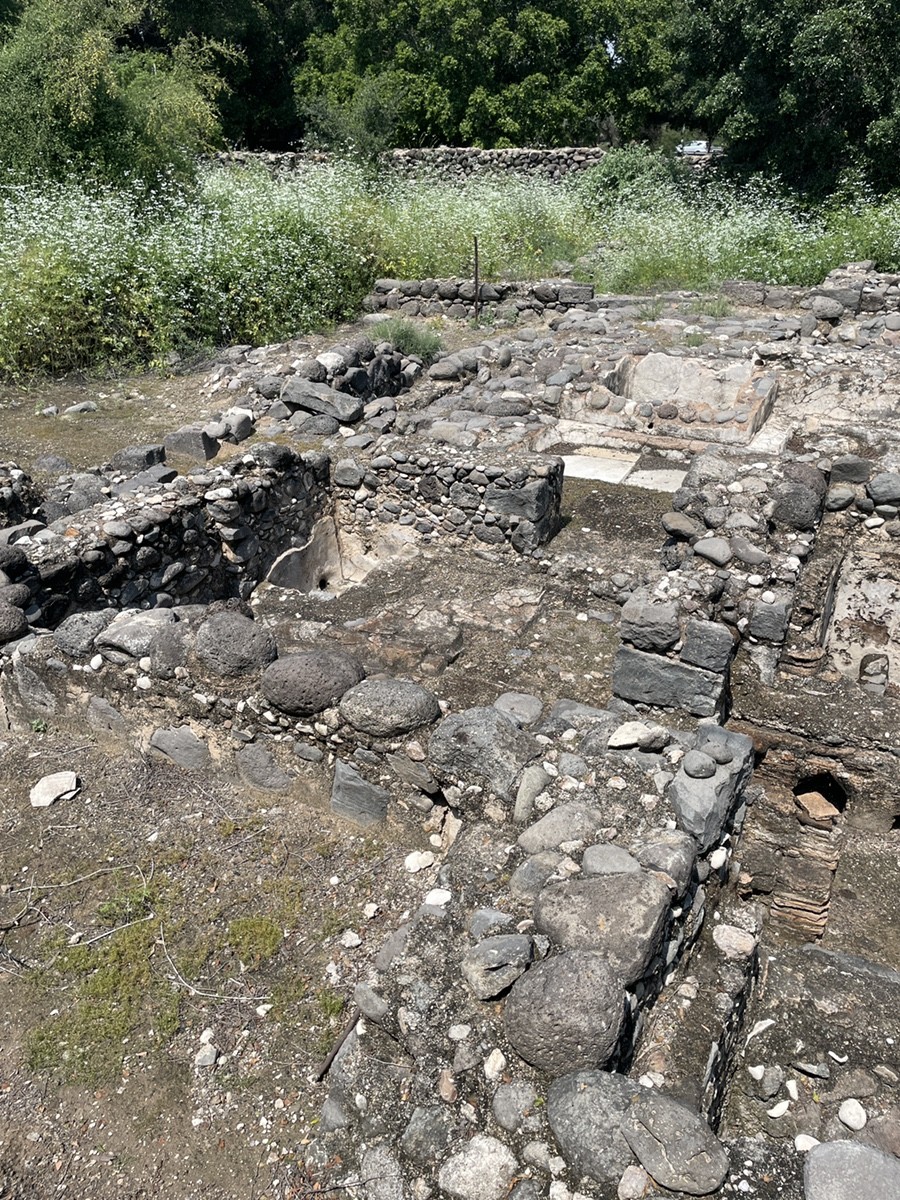

So, if we're talking about the eastern shore of the Kinneret, you've gotta check out these old Byzantine baths. They aren't just a pile of rocks—the layout is actually super well-preserved, and you can really see how the whole "spa" system worked back then.
How the "Ancient AC" Worked: It's actually pretty clever engineering. They had these little ceramic pillars holding up the floor in the "Hot Room."
The Hot Room: Burning air from the furnace pumped under the floor and through the walls.
The Warm Room: The air cooled down a bit as it moved to the next space.
The Cold Room: By the time the air hit the third room, it was totally chilled.
The Routine: People would start in the cold room, move to the warm one, and finish off in the hot room. Basically, the world's first luxury circuit!
Why was this place even here? It wasn't just about the baths or the miracles. This spot was strategic. There was a major road leading from the lake straight up to the Golan Heights, so putting a monastery here was a power move by the Byzantine Empire.
The "Monk Strategy": Here's a cool bit of history: the Byzantines used monks as a kind of secret weapon for settling the land.
Because monks didn't have families or kids, they were super mobile and independent.
The Empire could basically "drop" them into key areas to build fortresses and outposts.
It was the ultimate way to claim territory and keep an eye on things until the Arab conquests changed the game later on.
Imagine the perfect spring morning in Israel—the sun is warm but not yet "blasting" you, and the air smells like fresh wildflowers. It's the absolute best time to grab the keys and head to the eastern side of the Kinneret (Sea of Galilee).
First Stop: Kursi & The Views Start your day at Kursi. It's this massive Byzantine monastery ruin where the vibe is just... super chill. You can walk across ancient mosaics and literally feel the history. But don't stay too long because the drive up the mountain is even better. Make sure to pull over at Mitzpe Nukieb. On a clear day, the view is insane—you see the whole blue "bowl" of the Kinneret stretched out from Tiberias to the Golan Heights. It's one of those "stop and just stare" moments.
The Main Event: Susita (Hippos) Then, you've got the crown jewel: Susita. It's like a ghost city sitting on a hill. They call it the "Pompeii above the lake." You'll walk through the old Roman forum and see giant columns that were knocked down by an earthquake 1,200 years ago and just... stayed there. It's got this wild mix of ancient Roman vibes and old Israeli military outposts.
Trains and Hummus When you head back down, swing by the old Tzemach train station. It's been restored and feels like a movie set from the early 1900s—back when trains ran all the way from Haifa to Damascus.
Finally, once you're officially "toured out," hit up Hummus Eliyahu at the Tzemach junction. Trust me, a warm bowl of creamy hummus with olive oil, fluffy pita, and a solid cup of coffee is the only way to end a trip like this.
Pro tip: Go right now while it's spring. The Golan is bright green, and everything looks like a masterpiece.