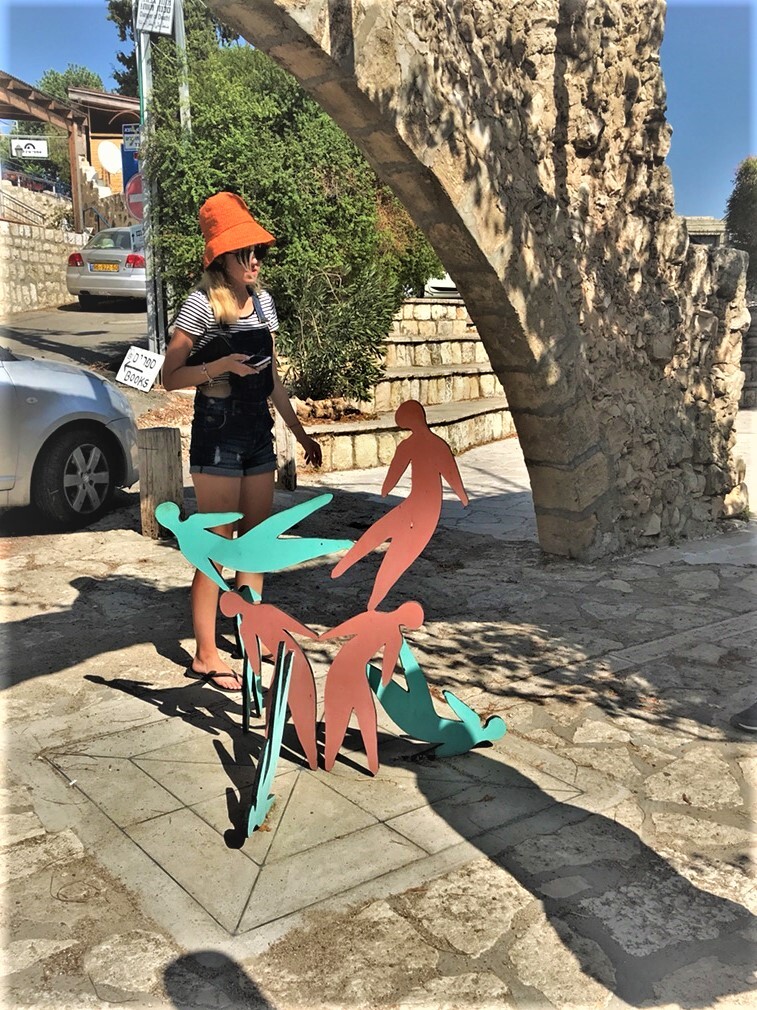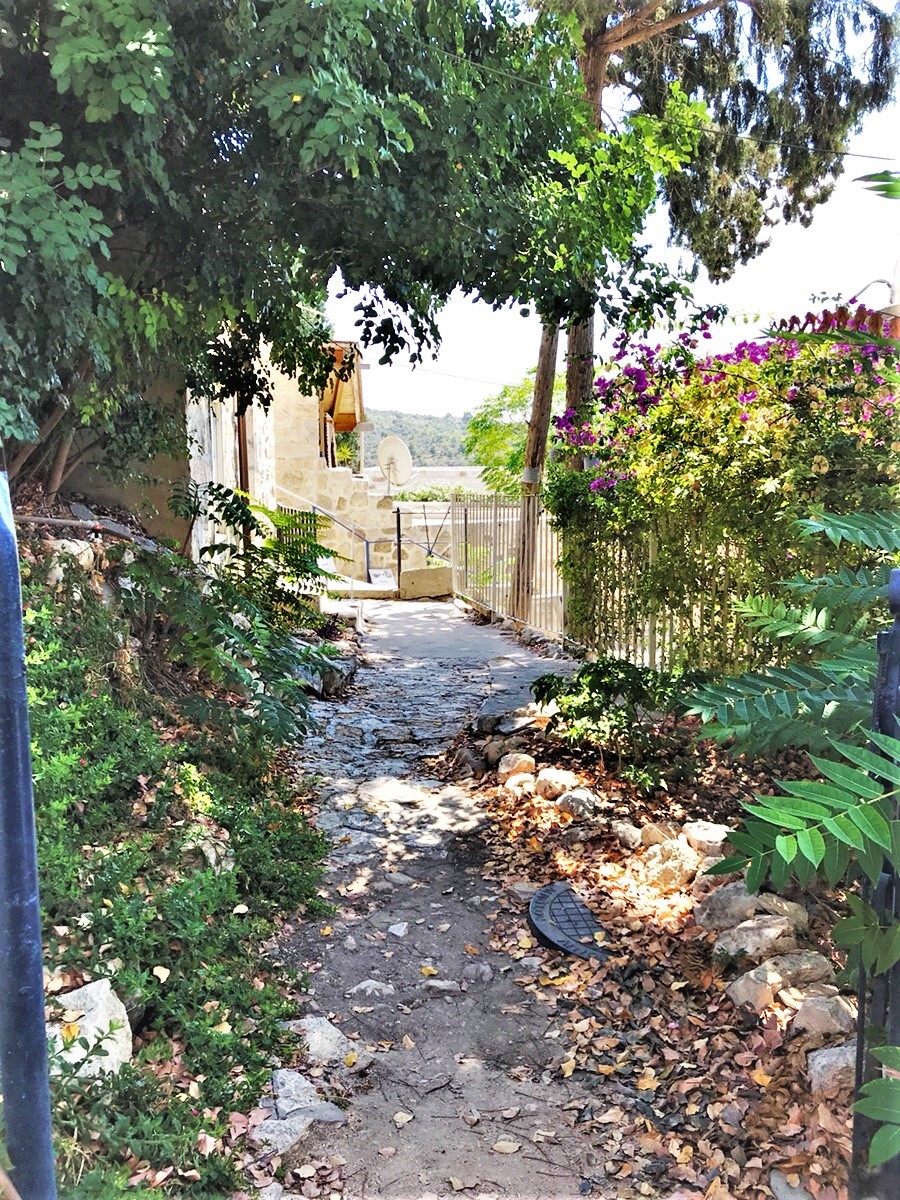

Walking through the streets of the village of Ein Hod is a real pleasure. The streets, covered with fallen leaves, slightly dilapidated, unpredictably winding, radiate warmth and kindness. Here, at every turn, you are surrounded by art, original ideas and numerous interesting objects, each of which tells its own unique story.
The village has experienced its ups and downs: it was full of life, then fell into decay, the houses were empty, but they found life again. Every arch and corner here is a silent witness to changes in eras and cultures. Ein Hod is not only the story of the transition from the Arab settlement of the descendants of Saladin's warriors to the Jewish Dada artists. The stones from which the village's buildings are built contain even more stories.
These stones, once piled into the walls of the fortresses by the crusaders in Atlit, witnessed the departure of the last knight from the Holy Land. After their departure, the new rulers dismantled the fortress walls and the stones were used for new buildings. This is how they ended up in Ein Hod, becoming part of its unique history and architecture. Translated with Google Translate
The streets of the artists' village of Ein Hod, strewn with autumn leaves, have a unique charm. Slightly worn by time, curvilinear and genuinely charming, they are shrouded in an atmosphere of kindness. Walking from the museum of Janko Dada, the founder of Dada, to the bronze sculptures of Benjamin Levi, you are greeted at every step by art in the most unexpected manifestations. This village has experienced a lot: from liveliness to decline, when houses stood empty, to its rebirth. The walls of its houses are mute witnesses of eras, cultures, the change of the Arab population by the descendants of Saladin's troops to Jewish Dada artists. The stones of these walls contain stories ranging from the times of the Crusaders, through the Arab heritage, to the Jewish restoration.
Today, sculptors, designers, musicians, architects, actors, singers, poets, jewelers, and potters live and work in Ein Hod. Many of them invite visitors to their workshops, organizing master classes and exhibitions. Ein Hod has no aspirations for high art or display of masterpieces, but there is a special atmosphere of simplicity, hospitality and pluralism, attractive in its ease and picturesqueness. Translated with Google Translate